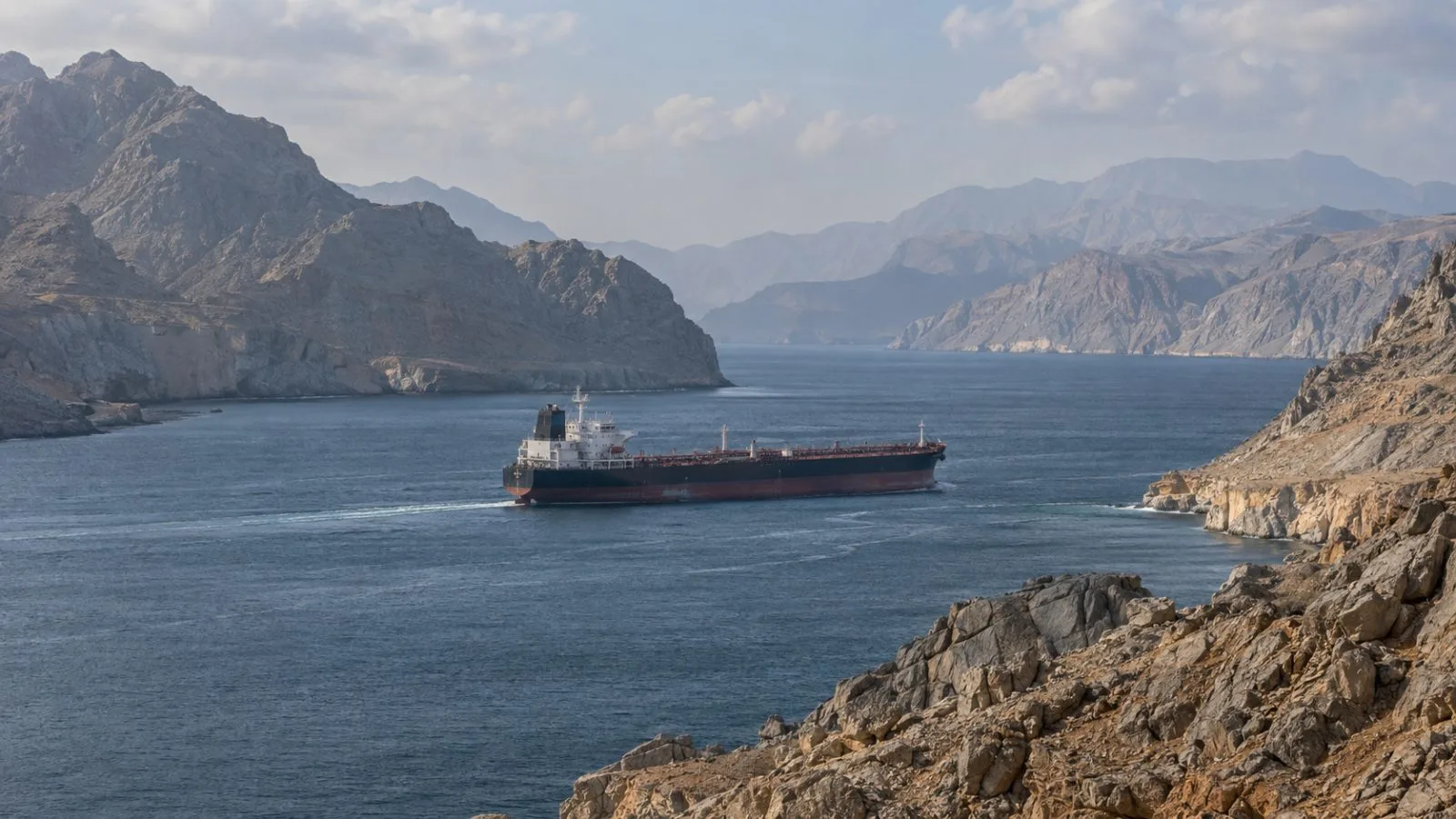
Eight African economies rely heavily on nitrogen fertilizer imports and source an above-average share from Gulf suppliers, leaving them exposed to Hormuz disruption ahead of coming planting and harvest cycles, World Trade Organization (WTO) data show.
The WTO Secretariat’s July 10 analysis named Kenya, Malawi, Mozambique, Rwanda, South Africa, Tanzania, Uganda and Zimbabwe among 18 particularly exposed economies. It compared net nitrogenous fertilizer imports with domestic consumption using 2021-2023 averages, and measured the share of imports sourced from Gulf economies over 2021-2024.
The analysis found fertilizer shipments through the Strait of Hormuz to destinations outside the Persian Gulf had fallen close to zero after the conflict began in February 2026, and remained near that level in the data available for the July report. Nitrogen fertilizer production is tied to energy markets because ammonia production requires natural gas; shipping disruption adds another supply risk.
Urea topped $850 per metric ton at its April 2026 peak, after levels near $400, then stood at $453 in June, the WTO series shows. Diammonium phosphate (DAP) rose from about $580 to about $770 per metric ton over the period examined. The WTO said those price increases remained below peaks after Russia’s invasion of Ukraine in 2022, when urea exceeded $900 per metric ton and DAP approached $960.
In a Sept. 24 statement, Food and Agriculture Organization of the United Nations (FAO) Director-General QU Dongyu put monthly fertilizer-trade delays at 1.5 million to 3 million tonnes and said tanker movements through Hormuz were down more than 90%. He also cited a 26% rise in DAP prices but did not specify the comparison base. FAO says import-dependent countries in Africa, Asia and parts of the Middle East, especially those already facing food insecurity, economic fragility or climate shocks, are among the most exposed to fertilizer scarcity.
Al Jazeera reported Oct. 26 that Luz Maria de la Mora, director of UN Trade and Development’s (UNCTAD) Division on International Trade and Commodities, said rising fertilizer prices were prompting some countries to reduce use. The report said she warned the cuts could affect next year’s harvests, food availability and prices. The specific interview remarks have not been independently confirmed.
Zimbabwe’s Cabinet cited geopolitical tensions and a predicted “super El Nino” as risks to its 2026/27 summer season. It projected cereal production of 1,607,198 tonnes against a requirement of 2,270,386 tonnes, and said duty-free imports of basal and top-dressing fertilizer would be allowed amid high prices and expected logistics delays.
FEWS NET’s September update projected Crisis (IPC Phase 3) outcomes from October through at least January in several Zimbabwean deficit-producing areas, citing depleted household food stocks, below-average income and high staple-food prices. Separately, it forecast below-average rainfall linked to El Niño. The outlook adds to earlier coverage of El Niño-related food security risks.
FAO has warned that fertilizer shortages could affect harvests into 2027. It has identified timely delivery during crop-calendar application windows as critical to yields.