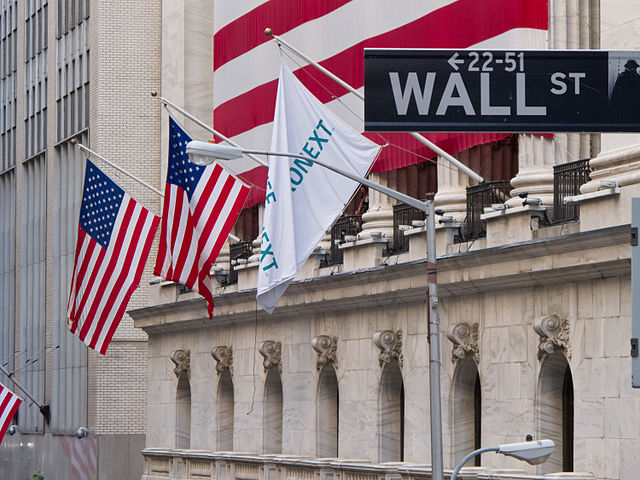
U.S. stock futures traded slightly lower Sunday night after Wall Street wrapped up another record-setting week, with investors closely watching upcoming earnings from Nvidia and growing geopolitical tensions involving the U.S. and Iran. Market sentiment remained cautious as concerns over inflation, interest rates, and rising oil prices continued to influence trading activity.
S&P 500 Futures dipped 0.3% to 7,413.75 points, while Nasdaq 100 Futures declined 0.4% to 29,119.75 points. Dow Jones Futures also moved lower, falling 0.4% to 49,436 points during late evening trading.
Last Friday, major U.S. indexes closed sharply lower. The Dow Jones Industrial Average dropped 1.1%, the S&P 500 lost 1.2%, and the Nasdaq Composite declined nearly 1.5% as Treasury yields and crude oil prices climbed. Despite the pullback, both the S&P 500 and Nasdaq still posted weekly gains, extending the broader market rally driven largely by artificial intelligence-related stocks.
Investors are now turning their attention to Nvidia’s highly anticipated earnings report scheduled for Wednesday. The chipmaker remains one of the biggest drivers behind the AI boom, and traders are looking for signs that demand for artificial intelligence technology remains strong. Walmart’s earnings report on Thursday will also be closely monitored for insights into consumer spending trends amid elevated inflation and fuel costs.
Meanwhile, geopolitical tensions in the Middle East intensified after former President Donald Trump warned Iran that “time is of the essence” in a Truth Social post. Reports also suggested Trump will meet national security advisers to discuss possible military responses regarding Iran.
Oil prices continued rising amid fears of supply disruptions linked to the Strait of Hormuz, increasing concerns that higher energy costs could further pressure inflation and slow economic growth.