


 Trump Rejects Calls for Tougher AI Regulation
  US Confirms Weapons in Orbit as Space Tensions Rise
  Global Poll Shows Rising Trust in Institutions as US-China Leadership Support Falls
  China’s Global Times Slams Anthropic CEO’s AI Slowdown Plan as ‘Cold War’ Strategy
  Europe can’t achieve space sovereignty alone. Here’s why
  Philippines Holds Historic Bangsamoro Election Amid Tight Security
  Nvidia CEO Jensen Huang Expected at Trump-Xi State Dinner
  Ovechkin Faces Scrutiny Over United Russia Campaign Video
  Sweden Election: Centre-Left Holds Narrow Lead
  Ukraine Races to Counter Russia’s Faster Jet-Powered Drones
  Houthis Escalate Saudi Attacks as Red Sea Oil Risks Grow
  Ukraine Tests New Anti-Drone Weapon After Successful Shahed Intercept
  Bill Gates Warns Governments Are Unprepared for AI Disruption
  Vietnam, U.S. Firms Plan 29 Deals Across Energy, Tech and Aviation
  US Immigration Arrests Surge as Deportations Lag Behind
  Lula, Flavio Bolsonaro Deadlocked in Brazil Election Polls


 Add as a preferred source on Google
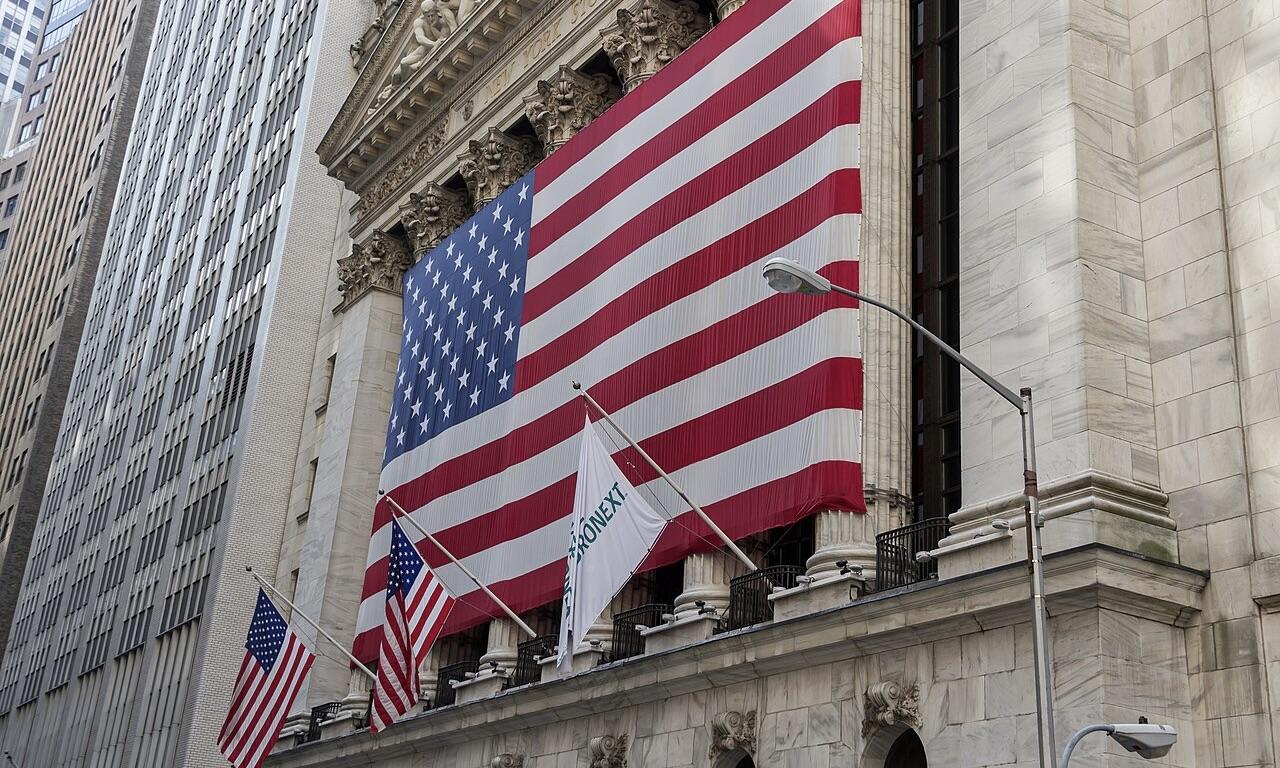
Wall Street stocks rebounded on Thursday, shaking off Wednesday’s steep losses triggered by the Federal Reserve’s signal that fewer interest rate cuts are expected next year. Despite looming uncertainty over a potential U.S. government shutdown, major indices showed resilience, marking gains in morning trading.
Wall Street Overcomes Fed’s Hawkish Tone
The Federal Reserve’s decision to forecast fewer rate cuts for 2025 initially caused a sharp selloff in equity markets on Wednesday, particularly among high-flying tech stocks. However, by Thursday morning, Wall Street had steadied itself, with the Dow Jones, S&P 500, and Nasdaq Composite posting gains of 0.6%, 0.7%, and 0.9%, respectively.
Analysts credited the recovery to a classic bounce-back following an overreaction to the Fed’s announcement. Patrick O’Hare, a market analyst at Briefing.com, noted, “It is a textbook reaction to a large selloff, but like yesterday, how the market opens isn’t as important as how it finishes.”
Despite the rebound, the Fed’s stance on maintaining higher rates for an extended period weighed on investor sentiment. This policy shift reflects concerns over sticky inflation driven by ongoing economic growth and geopolitical risks, including trade tensions and changes to U.S. immigration policies.
Shutdown Threat Looms Over Year-End Markets
Adding to the market’s uncertainty, a potential U.S. government shutdown could disrupt investor optimism during the critical holiday trading period. President-elect Donald Trump and incoming “efficiency czar” Elon Musk have urged Republican lawmakers to reject a bipartisan funding deal, threatening to halt non-essential government operations by Saturday.
While shutdown risks often create volatility, markets seemed to brush off the immediate threat. Fawad Razaqzada, an analyst with FOREX.com, questioned whether the traditional Santa rally—a seasonal phenomenon where stocks typically rise in late December—could still materialize given the heightened political and economic risks.
“The major risk events of the week are behind us, but with shutdown talks intensifying, the market’s focus will likely shift toward how this standoff resolves,” Razaqzada said.
Global Markets React to Central Bank Decisions
International markets showed mixed reactions to central bank moves. In London, the FTSE 100 dropped 1.1% as the Bank of England held interest rates steady but revealed internal divisions among policymakers. Analysts interpreted this as a sign of rising economic uncertainty.
Similarly, the Bank of Japan’s decision to maintain its ultra-low interest rate policy pressured the yen, allowing the dollar to climb to 157.67 yen from 154.73 yen. Meanwhile, European indices closed lower, with the CAC 40 and DAX both posting losses exceeding 1%.
Oil prices also faced downward pressure, with Brent crude falling 0.9% to $72.75 per barrel and West Texas Intermediate dipping to $69.39 per barrel.
Public Reaction on Social Media
The stock rebound and shutdown threats sparked varied reactions online. Twitter user @MarketGuru posted, “Classic Wall Street—rebounding one day after panic selling. Let’s see how long this holds.” Meanwhile, @FiscalWatchdog tweeted, “A shutdown will ruin the Santa rally. Investors are underestimating this political chaos.”
User @PolicyAnalyst noted, “The Fed’s signal of fewer rate cuts makes sense, but markets are behaving like they didn’t expect it.” Another commenter, @InvestorAlert, shared, “Santa rally? Not with these shutdown threats and geopolitical tensions brewing.”
Elsewhere, @GlobalMarketsObserver tweeted, “Central bank decisions worldwide are driving currencies wild. Interesting times ahead for global trade.” Finally, @OilWatch said, “Falling crude prices might help inflation, but they’re hitting energy stocks hard this week.”
Conclusion
As Wall Street claws back losses, investor attention remains fixed on two key uncertainties: the Federal Reserve’s hawkish outlook and the potential for a government shutdown. With global markets also responding to central bank decisions, the coming days will be crucial in determining whether year-end optimism can prevail.







