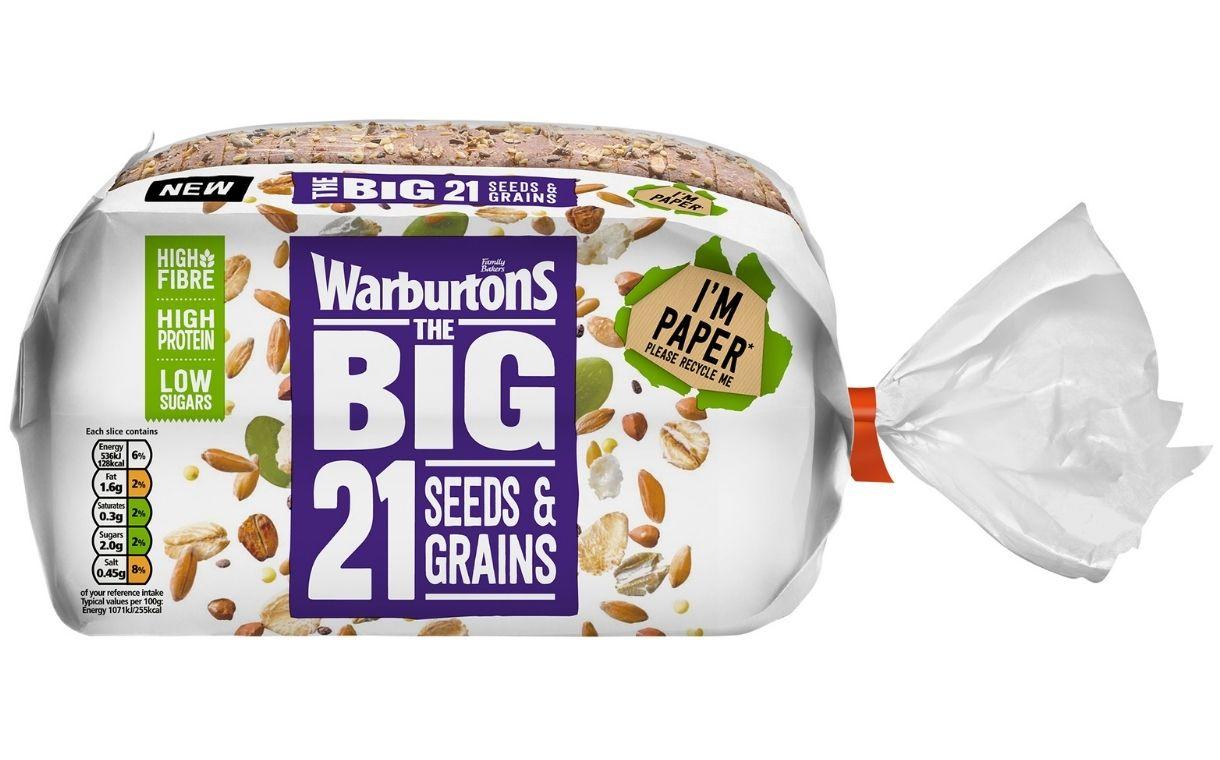
UK bakery company Warburtons has launched a new line of sliced loaves, available in recyclable paper packaging.
Darren Littler, innovation director at Warburtons, said that making the packaging fully recyclable is also just another step in the right direction for them and that they are thrilled to be able to offer a more sustainable option to packaging that does not impact the freshness of the loaf.
Big 21, which contains 21 varieties of seeds and grains; Plant Power, a blend of pulses, grains, and seeds; and Make It Grain, which contains Maris Otter barley malt grain, are the three new 700g loaves named Seeds and Grains.
The loaves are made entirely of whole grains, have a high fiber and protein content, and are low in saturated fat and sugar.
From April 19th, the Seeds & Grains range will be available at Asda shops for £1.85.

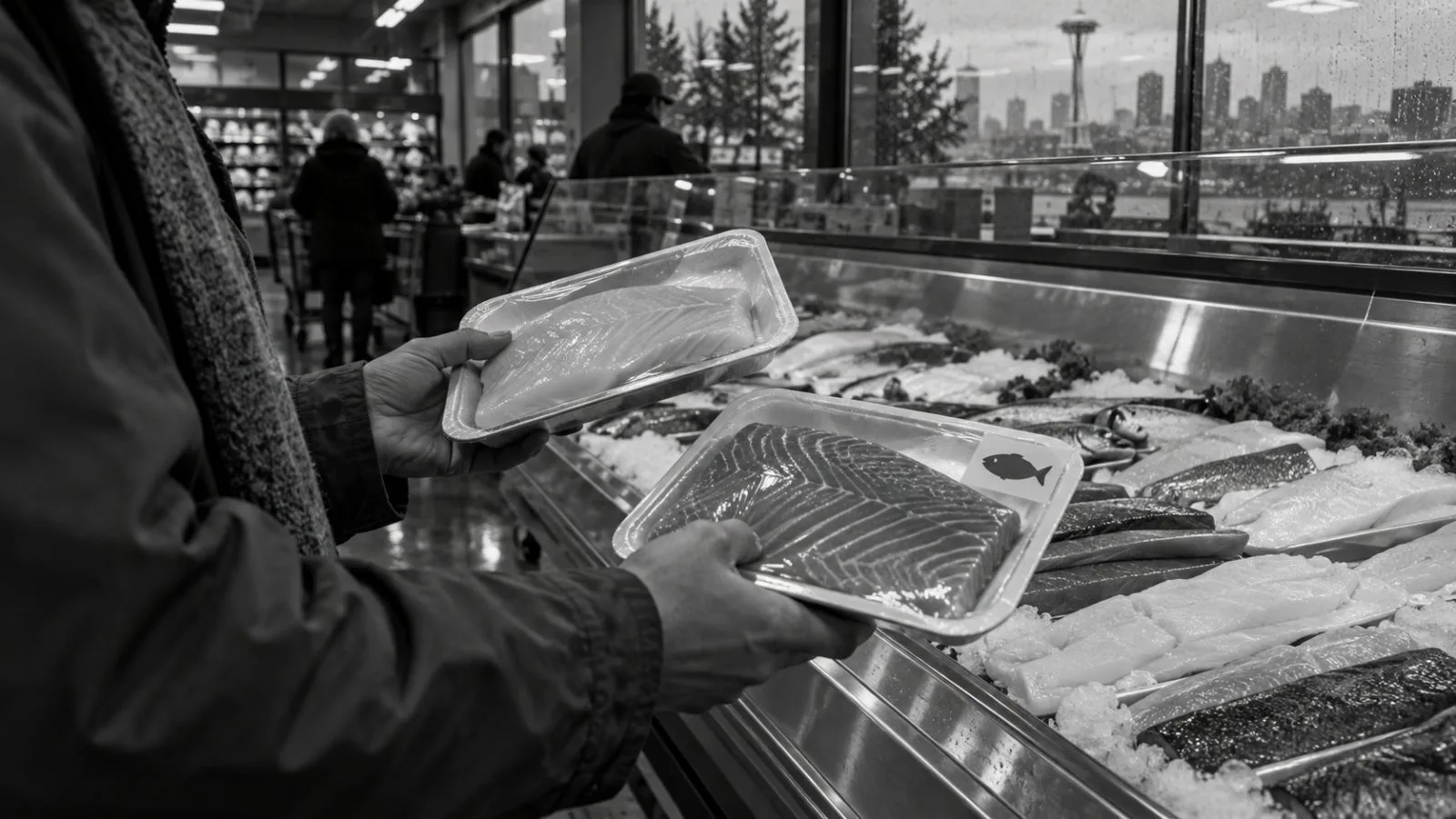
Drug pollution in water is making salmon take more risks – new research
Wildfires ignite infection risks, by weakening the body’s immune defences and spreading bugs in smoke
Iran-Pakistan Diplomacy and Strait of Hormuz Tensions Push Oil Prices Above $100
Intel Stock Surges as AI Chip Demand Drives Strong Q2 Forecast
U.S. Raises Alarm Over Chinese AI Firms’ Alleged IP Theft Through Model Distillation
SK Hynix Reports Record Q1 Profit Surge Driven by AI Memory Chip Demand
Dollar Gains as Middle East Tensions and Rising Oil Prices Support Safe-Haven Demand
Florida Launches Criminal Probe Into OpenAI Over FSU Shooting Incident
Gold Prices Edge Higher on Weak Dollar but Face Weekly Loss Amid Oil-Driven Inflation Fears
How is Antarctica melting, exactly? Crucial details are beginning to come into focus
Burkina Faso and Mali’s fabulous flora: new plant life record released
GesiaPlatform Launches Carbon-Neutral Lifestyle App ‘Net Zero Heroes’
Foreign Investors Drive Surge in Japanese Stocks Amid AI Rally and Improved Risk Sentiment
USDA Plans to Expand Farmer Surveys to Improve Crop Report Accuracy
Kakaku.com Stock Surges on EQT Takeover Interest Amid Rising Japan Deal Activity
Fertile land for growing vegetables is at risk — but a scientific discovery could turn the tide 


