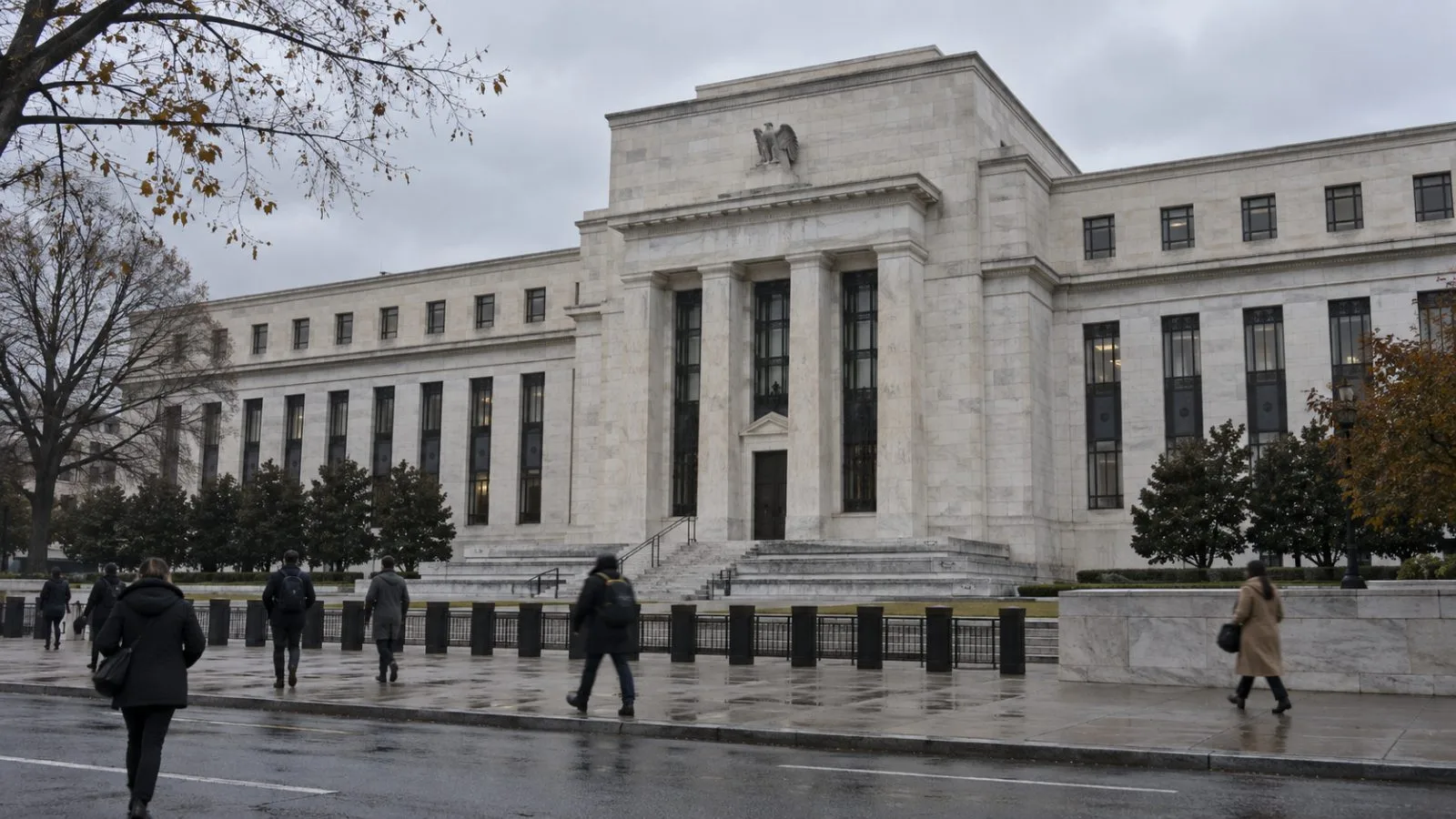
Federal Reserve Chair Kevin Warsh has called for a narrower role for forward guidance in normal times, setting out a policy view ahead of the Fed’s Oct. 27-28 interest-rate meeting.
Forward guidance is a central bank’s communication about the expected direction of future policy. In his Aug. 28 speech, Warsh said the Fed used the approach during the global financial crisis, when it was essential, but argued it should play a smaller role in routine periods.
Warsh’s objection centered on a feedback loop between investors and policymakers. He warned that traders may rely on the Fed’s signals, while officials also take cues from market prices. That cycle could make both groups slower to recognize fresh developments, he said.
Warsh also cited changes in geopolitics, supply chains and technology as challenges for forecasting. He said accurately projecting the economy remains an aspiration as these forces shift. He argued policymakers should use current data and market signals to update their assessments.
He said mistakes linked to the feedback loop could hit people without financial assets hardest, through inflation that is too high or jobs that become less secure. Warsh served on the Federal Reserve Board of Governors from 2006 to 2011, including through the 2008 crisis. He took office as chair on May 22, 2026, with a term ending May 21, 2030.
The committee’s recent decision gives a snapshot of the policy setting Warsh now leads. On Sept. 16, the Federal Open Market Committee (FOMC) raised the target range for the federal funds rate by 25 basis points, to 3.75% to 4%.
The minutes report that most participants at the September meeting saw a higher policy rate by year-end as a probable choice, but said the committee would judge future steps against the evidence. That view recorded the discussion at that meeting; it did not commit the Fed to another increase. The FOMC’s next scheduled meeting is Oct. 27-28.