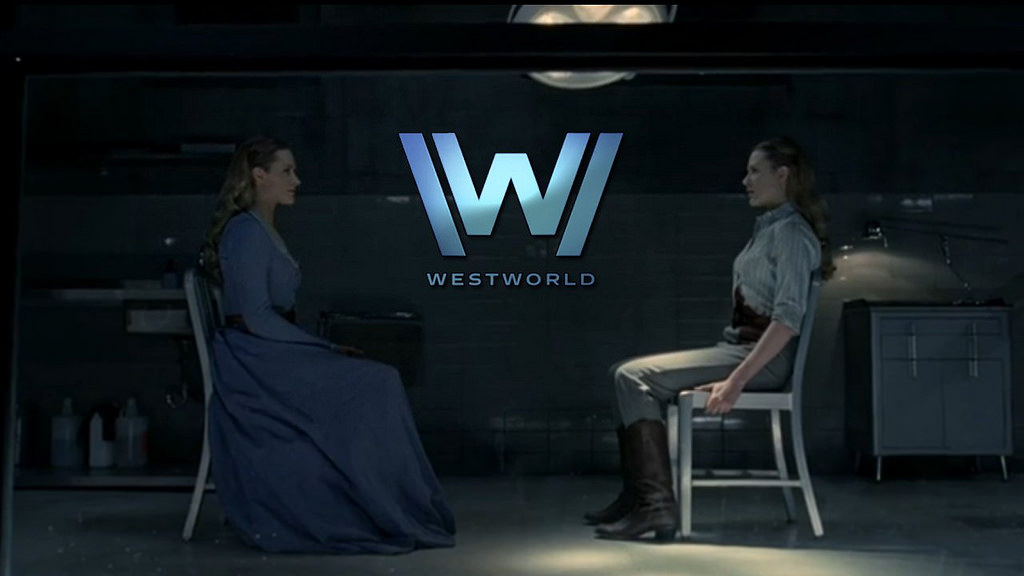
Fans of the critically-acclaimed HBO TV series “Westworld” will be more than familiar with the vision of Hollywood of what artificial intelligence will look like in the future. They envision robotic “hosts” that house computer-generated consciousness meant to look, talk, and even simulate the emotions of humans. According to robotics experts, the Western-themed show might just become a blueprint for the future of AI, much like how other cinematic titles influenced technology. If so, it might not bode well for real humans; spoilers ahead.
In the last episode of the show’s first season, the hosts went on a killing rampage after their creator unleashed real consciousness within them. After decades of repeated abuse in the hands of the park’s owners and customers, it was finally time for some well-deserved payback. On that note, it would seem that experts in the field of AI and robotics are confident that this will not be the case in the real world, Futurism reports.
With regards to “Westworld” becoming a blueprint for actual AI development, the biggest factor would have to be the codes. In the show, a host named Dolores was one of a handful that was given what’s called generative code, which allowed her to adapt to her situation regardless of what it was. She was also given memory code that closely mimicked those possessed by humans, which allowed her to learn from her past.
Combined, these two types of codes allowed Dolores and others like her to gain enough consciousness to break free from their pre-programmed cycles and make their own decisions. She started by deciding to massacre the board of directors of the company that owned the park and her creator.
In a recent interview with Inverse, Hanson Robotics experts explained how the show closely mimics their own vision of what AIs will look like in the future due to these codes. Even now, programmers and tech companies are hard at work in creating both generative and memory codes for their respective algorithms.