


 RFK Jr. Launches Nationwide Vaccine Safety Review
  Asian Currencies Steady as Dollar Eyes Fourth Weekly Gain
  Bitcoin ETFs Lose $681 Million, Ending Three-Week Inflow Streak
  Berlin Coalition Talks Advance After Left Party Antisemitism Deal
  GRAM Price Jumps 9% as Telegram Expands Money Wallet
  Marco Rubio Warns Russia-Ukraine War Could Spark Wider Conflict
  Bank of America Predicts Yen Rebound as USD/JPY Faces Risks
  Crypto Liquidation Flush: BTC & ETH at a Glance
  US Suspends Microsoft, Adobe From Green Card Program
  Stellar Overtakes Ethereum in RWA Fund Inflows as XRP Leads Commodities
  Solana Targets 200ms Block Time in Major Network Upgrade
  Zelenskiy Slams US-Russia Diesel Deal as Funding War
  XRP Price Holds $1.35 Support as Bears Target $1.25
  Iran Refuses to Halt Uranium Enrichment Amid US Nuclear Demands
  Dollar Near 18-Month High as Euro, Yen and Pound Weaken
  US Dollar Rises for Fourth Week as Fed Rate Hike Bets Grow


 Add as a preferred source on Google

Donald Trump has partially walked back on his so-called “liberation day” tariffs on nearly all US imports after fears mounted that the move would result in a global recession and much higher borrowing costs for the US government.
On Wednesday, April 9, a mere 13 hours after his higher rate of “reciprocal tariffs” had come into effect, Trump announced they would be paused for 90 days.
“I thought that people were jumping a little bit out of line, they were getting yippy, you know … a little bit afraid,” Trump said to reporters outside the White House. Markets soared immediately upon hearing the news.
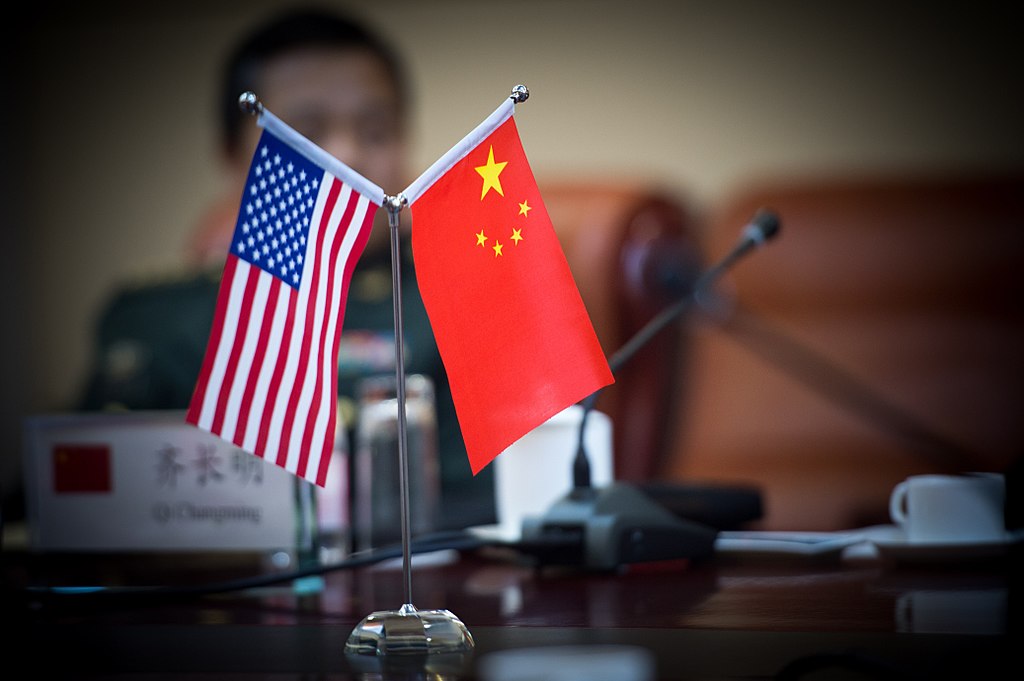
But at the same time, a volatile new stage in America’s trade war with China has emerged. The White House has excluded China from the pause and has hiked tariffs on all Chinese imports to 125%. This, Trump says, is because Beijing has shown “disrespect” to Washington and global markets.
Beijing, which has declared it will “fight to the end if the US side is bent on going down the wrong path”, was quick to respond. It has announced duties of 84% on American products and services, and has even floated the possibility of banning the import of Hollywood films.
What China’s response has shown is that it is no longer the same country as it was in 2017, when Trump managed to obtain some trade concessions from it by imposing tariffs. Beijing seems more willing to strike back at Washington, as well as showing signs of being more proactive in its response to American measures.
The impact of China’s response has not yet been fully realised, but tariffs have already raised the spectre of increased prices in the US. Many of the clothing and consumer electronics that Americans buy are shipped from China. It’s possible that far from boosting Trump’s popularity, these tariffs may eventually end up reversing it.
At a fundraising dinner in Washington, less than a day before he shelved plans to hike tariffs on US trading partners, Trump insisted: “I know what the hell I’m doing.” But his subsequent loss of face in pausing tariffs for other countries may mean he has no option but to double down on a tit-for-tat trade war with China.
China is his administration’s go-to villain, and any delay or reversal in responding to Chinese retaliation will be a humiliation to Trump’s strongman image. This suggests a tumultuous period ahead for relations between China and the US.
Expect more hostility
The tariffs will probably have a mobilising effect on the Chinese population. A 2022 survey on public opinion in China found that people born after 1990 are more likely to hold an unfavourable view of the US compared with previous generations. The survey concluded that Trump’s actions during his first term were much more to blame than propaganda.
Beijing has also traditionally invoked the history of the “unequal treaties” forced upon its ailing Qing dynasty in the late 19th century as a means to mobilise its population against western policies. This has been aided by how the economic demands made by Trump to China are, in the mind of the Chinese leadership, reminiscent of the demands made by the western powers of that period.
Fears of again falling prey to foreign powers play a significant role in Beijing’s policies, encapsulated by what is known as China’s “never again mentality”. This mentality could be used as a means to unify the Chinese population against an outside enemy, in a way similar to how many US politicians have attempted to cast China as a foe.
Beijing appears to be banking on the Chinese population’s supposed ability to withstand greater hardships than western consumers as being able to give it a key advantage over Washington. However, with China’s prosperity being a comparatively recent development, this ability will be put to the test.
Trump’s tariffs against traditional American allies will also play into Beijing’s hands on the international stage. Tokyo has discussed reducing its holdings of American treasuries, while simultaneously bolstering trade ties with China. These moves would have been unthinkable even a year ago – Japan has long been a key US ally and a regional rival of China.
Equally unthinkable is the possibility that the EU will follow a similar path. Spain’s prime minister, Pedro Sanchez, has called on Brussels to review its relationship with China. Moves aimed at sidelining China may end up isolating the US instead.
And, perhaps most concerningly, the tariffs may also undermine America’s ability to prevent a Chinese invasion of Taiwan. One of the key factors deterring an invasion was the threat of a 100% tariff on Chinese goods. With Trump’s tariffs on China already exceeding this, Beijing has less incentive to not go after Taipei.
What liberation day has shown us is that the Chinese-American relationship has entered a stage of protracted competition, a phase that Beijing has been preparing for over the past decade. Faced with a choice between humiliation on the international stage or economic disaster at home, it would appear neither side is willing to back down.







