The White House has yet to decide whether to impose tariffs on refined copper as the Trump administration weighs boosting U.S. production against the risk of higher manufacturing costs.
Affordability has become a growing priority ahead of November’s midterm elections, putting pressure on President Donald Trump and Republican lawmakers to show their economic policies are reducing costs for American consumers and businesses.
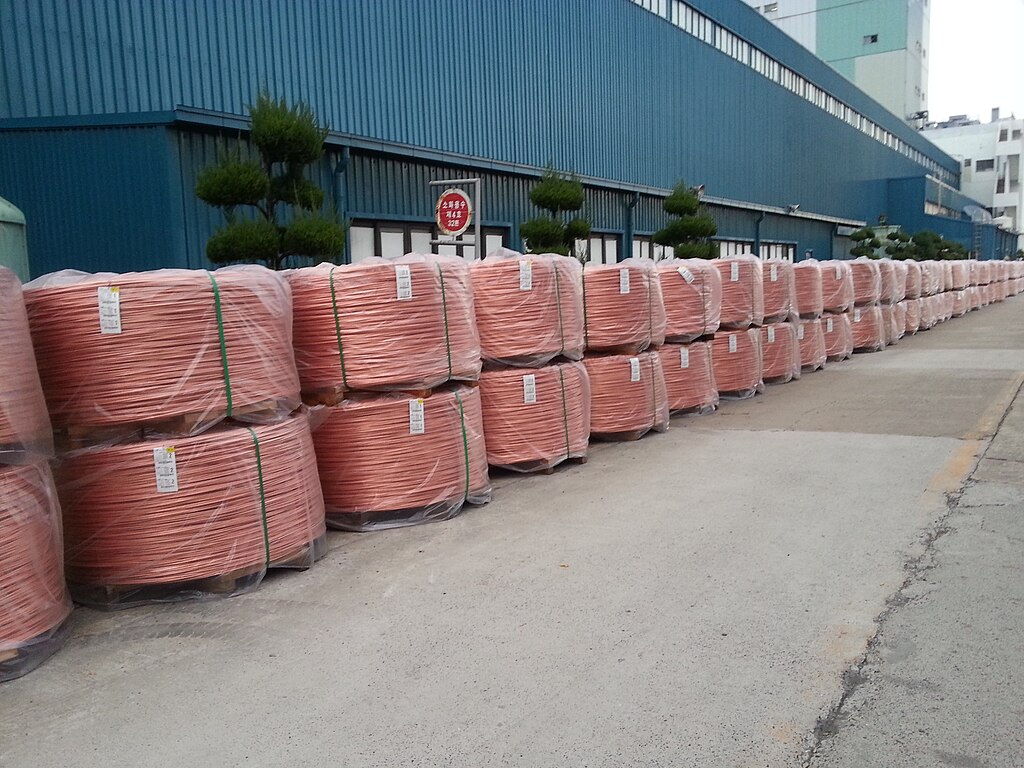
Copper prices recently surged to record highs as markets anticipated tariffs on refined products such as copper cathodes and potentially mine-produced concentrate. Traders and industrial buyers have increased U.S. inventories ahead of possible duties, creating a massive domestic copper stockpile.
A White House official confirmed that no final tariff decision has been made, although the Commerce Department provided Trump with an update by a June 30 deadline. The administration continues to assess measures aimed at bringing copper production and critical manufacturing back to the United States.
Markets reacted sharply to signs that tariffs were not guaranteed. Copper prices dropped more than 4%, while Freeport-McMoRan shares fell about 7%. Rio Tinto declined 2.7%, and BHP dropped 4.7%.
Copper is essential for construction, transportation, electronics, electrical equipment and other industries. S&P Global expects expanding artificial intelligence and defense sectors to help drive global copper demand 50% higher by 2040.
The United States currently imports roughly half of its annual copper requirements and operates only two copper smelters, owned by Freeport-McMoRan and Rio Tinto. While tariffs could improve the economics of domestic mining, smelting and refining projects, they could also increase costs for automakers, construction companies and manufacturers.
Trump previously stopped short of imposing sweeping copper tariffs in 2025, instead targeting semi-finished products including pipes and wiring. Commerce Secretary Howard Lutnick was later tasked with recommending whether a 15% tariff should begin January 1, 2027, before increasing to 30% in 2028.
U.S. refined copper imports have risen sixteenfold since 2015 while domestic production has fallen 20%, highlighting Washington’s growing reliance on foreign supplies and the challenge of rebuilding the domestic copper industry.