Yale said economist William Nordhaus died Oct. 30 at 85, after a career using economic models to examine how climate change and growth interact and how policy may address the problem.
Nordhaus shared the 2018 Sveriges Riksbank Prize in Economic Sciences in Memory of Alfred Nobel with Paul Romer, receiving half of the award. The Royal Swedish Academy of Sciences recognized his work integrating climate change into long-run macroeconomic analysis.
His DICE model, short for Dynamic Integrated Climate-Economy, represented links among carbon emissions, climate conditions and economic growth. The Nobel committee described it as an integrated assessment model and said it could be used to examine climate-policy measures such as carbon taxes. The committee said the model could also show how the global economy and climate evolve together.
In his Nobel speech, Nordhaus framed climate change as a harmful, unintended side effect of economic growth. He argued for a pollution charge to address the problem, saying, “The best remedy for such externalities is a pollution charge or what is now known as a carbon tax.”
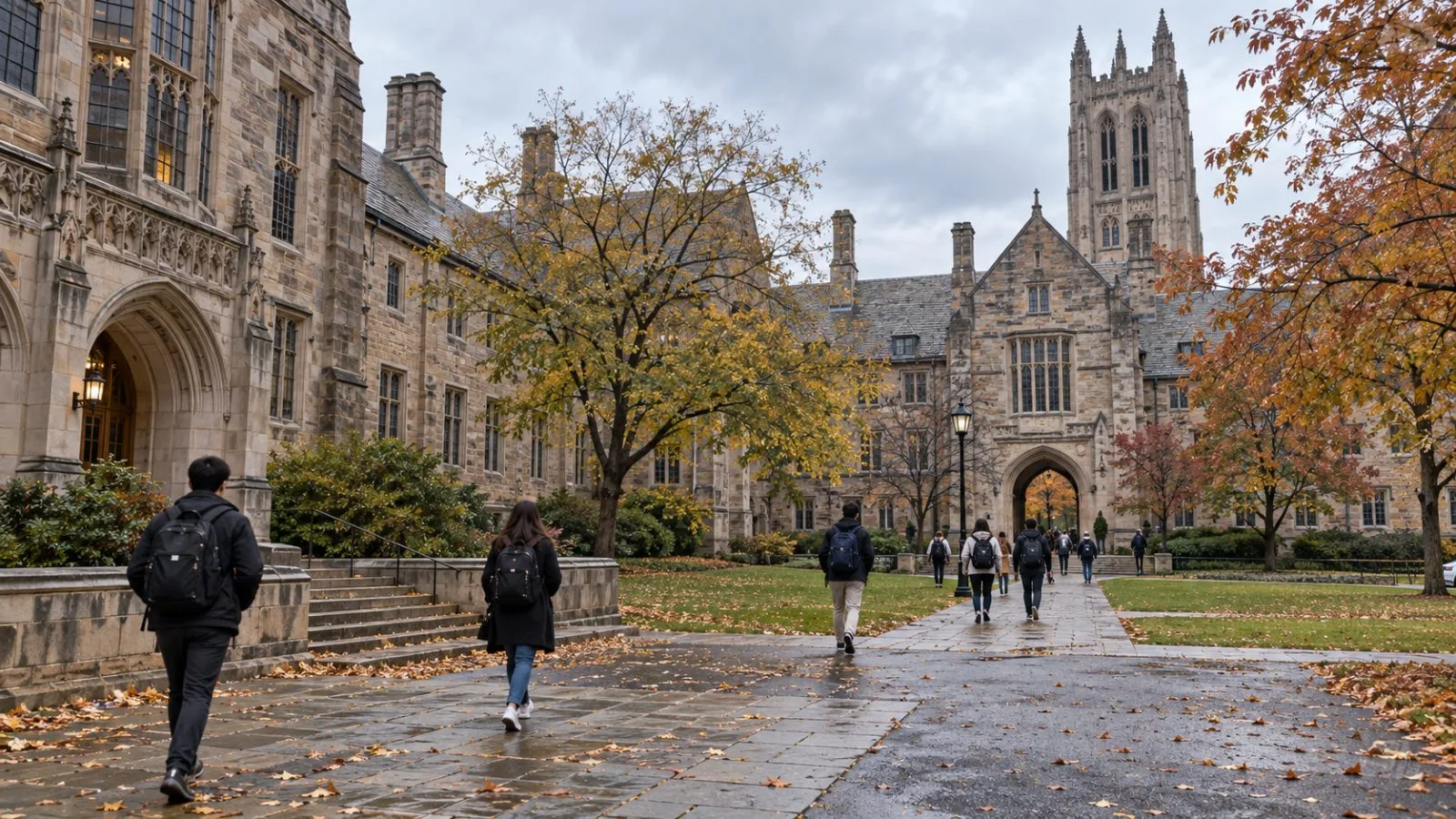
Nordhaus began studying climate economics in the 1970s and spent more than 50 years at Yale University. The university said his roles included provost and vice president for finance and administration. Yale also cited his research on technological change, business cycles and economic welfare, along with work with economist James Tobin. In 2014, Yale credited Nordhaus with helping establish an internal carbon charge at the university.
Yale reported that Nordhaus had faced aggressive brain cancer. He is survived by his wife, Barbara, three children and three grandchildren. The university said funeral arrangements are private and a memorial service is planned for a future date.
Yale President Emeritus Richard Levin said Nordhaus's commitment to Yale and his effort to understand climate economics were closely linked. Levin described them as “two sides of the same coin.”