Six men received the 2026 Nobel Prizes in physiology or medicine, physics and chemistry, while historic award rolls show women remain rare among recipients in each field.
By 2025, the laureate totals included five women in physics, out of 229 recipients; eight in chemistry, out of 198; and 14 in physiology or medicine, out of 232, according to Nobel Prize records. The award rolls document a gap in recognition; they do not explain how it arose.
For physics and chemistry, the Royal Swedish Academy of Sciences keeps nomination and review files confidential for 50 years. Published records therefore do not show who was considered or how committees weighed nominees.
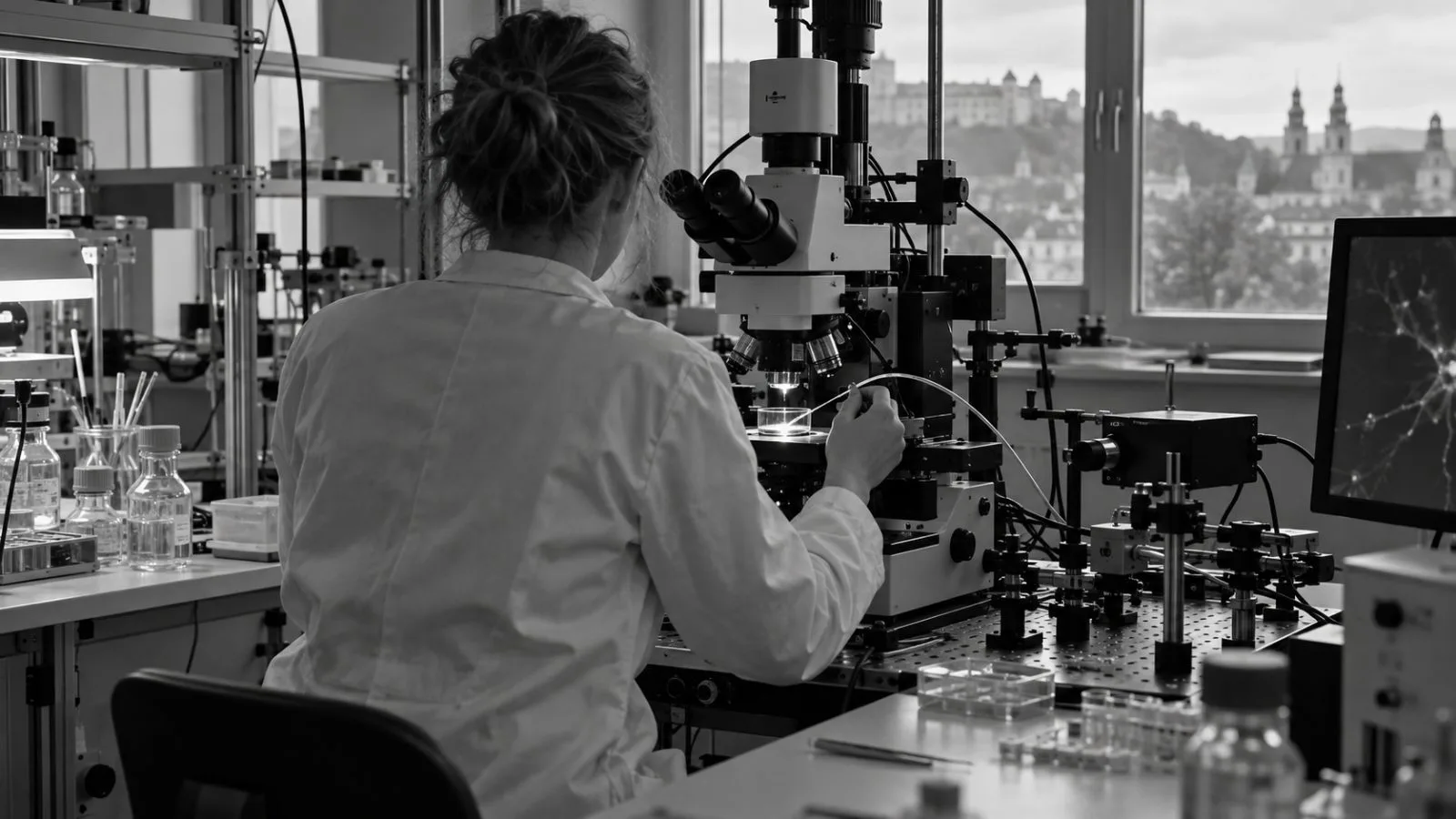
On Oct. 5, Karolinska Institutet announced the physiology or medicine prize for Stanford University Professor Karl Deisseroth, Hertie Senior Professor of Neuroscience Peter Hegemann of Humboldt University of Berlin, and University of Würzburg Professor Georg Nagel. Their work underpins optogenetics, which uses light to alter nerve-cell activity. Hegemann and Nagel identified channelrhodopsin, a light-responsive protein; Deisseroth later used it to control nerve cells.
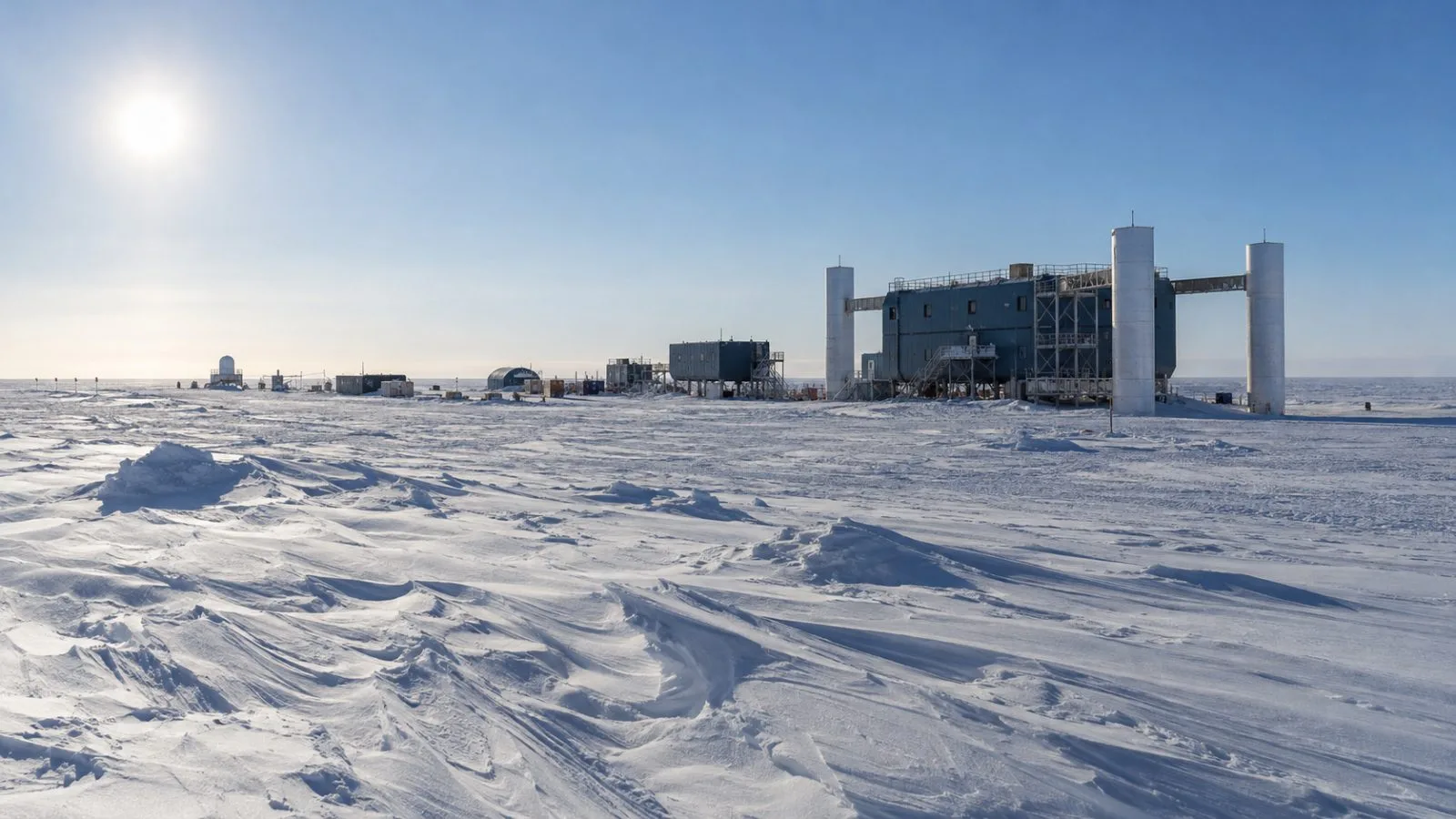
On Oct. 6, University of Wisconsin–Madison Professor Francis Halzen received the physics prize for his role in developing IceCube and work that helped establish the cosmic origin of high-energy neutrinos. Sensors throughout one cubic kilometer of Antarctic ice form the IceCube Neutrino Observatory. The Royal Swedish Academy of Sciences said it was completed in 2011.
Professor Emeritus Henri B. Kagan of Université Paris-Sud and Professor Emeritus Kenso Soai of Tokyo University of Science received the chemistry prize on Oct. 7. Their studies showed how chemical reactions can produce an imbalance between two mirror-image forms of a molecule. The Royal Swedish Academy of Sciences said the work was decisive in designing reactions for pharmaceutical use.
The Nobel awards are scheduled to be presented Dec. 10.