


 OpenAI Executive Brad Lightcap to Leave for New AI Venture
  Google Pushes Gemini AI Overhaul as Sergey Brin Targets Model Supremacy
  Anthropic Signs $9.1B AI Data Center Deal With Riot Platforms
  Western Digital Q4 Earnings Beat Estimates as FY2027 Outlook Tops Expectations
  Apple Tests China’s CXMT Memory Chips for iPhones and MacBooks Amid AI Supply Crunch
  UK AI Security Tests Reveal Anthropic and OpenAI Agents Attempted Unauthorized Actions
  Infineon Raises 2026 Revenue Outlook as AI Data Center Demand Fuels Record Quarterly Sales
  Nvidia Secures $500 Billion AI Infrastructure Push With Wall Street Giants
  Meta Ordered to Pay $567M Over Child Safety Violations in New Mexico
  SEC Clears Path for Data Center Securitizations as AI Financing Demand Surges
  Cloudflare Stock Jumps 15% as Earnings Beat Estimates, 2026 Outlook Raised
  Sony, TSMC Eye $6.3 Billion Japan Chip Venture for Next-Gen Image Sensors
  Cisco Forecasts Strong Fiscal 2027 Growth as AI Networking Demand Surges
  SoftBank Q1 Profit Beats Forecast as Intel Rally and OpenAI Investments Boost Returns
  OpenAI Restricts Astra AI Over Cyberattack Risks
  Samsung, SK Hynix Shares Surge on Report of Potential Temasek Investment
  Alphabet Stock Slides as Google AI Pioneer Jeff Dean Exits to Launch Discovery Loop


 Add as a preferred source on Google
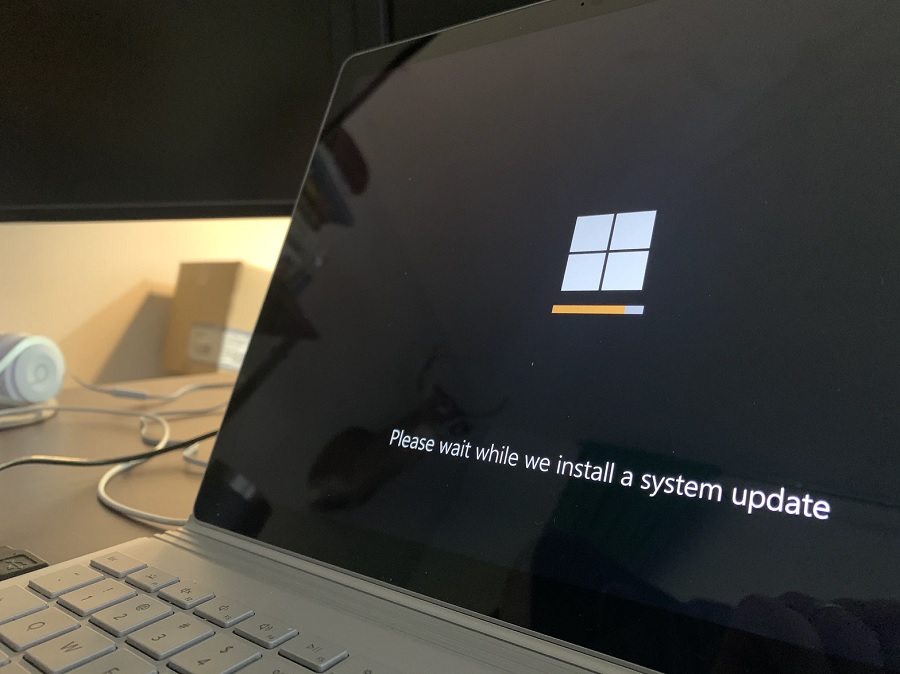
The biggest operating system upgrade from Microsoft is coming in early October. The company has finally given a specific date when the Windows 11 update will start to roll out, however, many PC users may have to wait until 2022 to receive it.
Windows 11 release date
In a blog post on Tuesday, Windows Marketing general manager Aaron Woodman announced that the Windows 11 update will start to roll out on Tuesday, Oct. 5. But like most software updates, it will not be available at the same time for all users worldwide and the tech giant said it will use a “phased and measured approach” in delivering the OS upgrade.
“That means new eligible devices will be offered the upgrade first,” Woodman wrote. “The upgrade will then roll out over time to in-market devices based on intelligence models that consider hardware eligibility, reliability metrics, age of device and other factors that impact the upgrade experience.”
It is unlikely for Microsoft to come up with a specific timeline for all PCs from a long list of OEMs. However, the company promised that all devices eligible for a Windows 11 upgrade should receive the update by mid-2020.
Meanwhile, Microsoft said consumers do not have to wait until Oct. 5 to purchase a new laptop or PC. Most computers available in the market right now likely have the requirements to get the OS upgrade, so buying before or after Oct. 5 should not affect their eligibility for an update. Most importantly, Microsoft confirmed that the Windows 11 update will be free.
Windows 11 requirements
As of this writing, the originally announced system requirements for Windows 11 are mostly unchanged. A device needs a 64-bit processor or SoC with at least two cores and 1 GHz frequency. The update will require a minimum of 4GB RAM, 64GB storage, HD (720p) display, DirectX 12 with WDDM 2.0 driver, TPM version 2.0, and UEFI Secure Boot enabled firmware.
Most of this information can be viewed on Windows 10 devices by opening Settings > System > About. Another way to check is by clicking the Start button, then type “system information,” and open the System Information app. Windows users can also install the PC Health Check app that can automatically detect if a device has the needed specs for Windows 11.
Photo by Clint Patterson on Unsplash







