Education needs to change to prepare for 1.2 billion young people entering the workforce over the next decade as artificial intelligence reshapes jobs, the World Bank Group said.
The bank also put the share of ten-year-olds struggling to read a basic text at 70%. It linked that difficulty to concerns about whether the next generation has the basic skills to succeed in labor markets disrupted by AI.
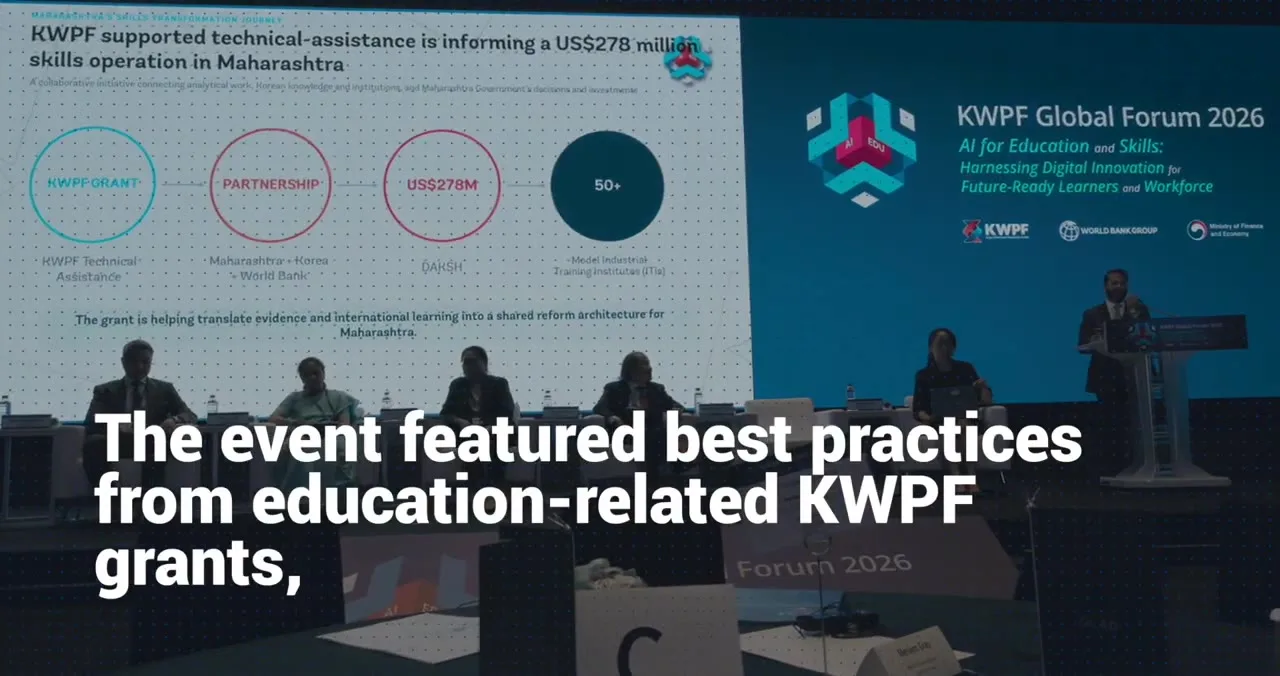
The calls came in the institution's own recording, “The Korea-World Bank Group Partnership Facility: AI for Education & Skills,” published Oct. 26. The supplied remarks did not identify individual speakers or their roles.
The recording covered the opening of the facility's global forum in Seoul, where the bank put attendance at more than 200 people from different parts of the world. The discussion focused on education and skills as AI changes both learning and work.
Korea's experience provided a starting point for the remarks. The country once lacked abundant natural resources and sufficient capital, but continued investing in education and people to develop the skills needed for industrial change.
That experience framed the call to invest in people as technology advances. Preparing students and workers for the future was presented as more important than ever because AI is changing education and employment.
The remarks described rapid advances in AI as offering opportunities alongside challenges that countries need to address together. They called for action to change education, with an approach that goes beyond introducing technology.
Teachers and people remained central to that approach. The emphasis was on their importance in changing education, rather than treating the adoption of AI alone as the task.
The facility's work would require engagement with Korean partners and institutions. The partnership's value rested on drawing on areas of recognized Korean strength that also match the bank's priorities.
The discussion then returned to the young people entering the workforce and the children struggling with reading. Both figures framed the concern about whether education is providing the foundations needed for work as AI changes labor markets.
Governments were encouraged to identify the specific problem they need to solve before considering private-sector involvement. That would mean first defining the public-sector challenge, then asking which businesses could help address it.
The closing remarks tied AI to education and skills as forces shaping the future. The supplied remarks gave no funding amount, implementation timetable or specific commitment for putting the proposed changes into practice.