The World Bank Group announced an ambition to bring digital access and opportunity to 1 billion people by 2030 through stronger foundations for artificial intelligence and digital technology, the institution said.
The ambition combines targets for broadband internet use and services delivered through digital technology. It covers connections, the cost of devices and data, and services suited to the countries where people use them.
The institution presented the ambition in its own announcement, “Expanding Digital Access and Creating Jobs,” published on its World Bank Group channel on Oct. 20. The recording did not identify an individual speaker or give a speaker’s title.
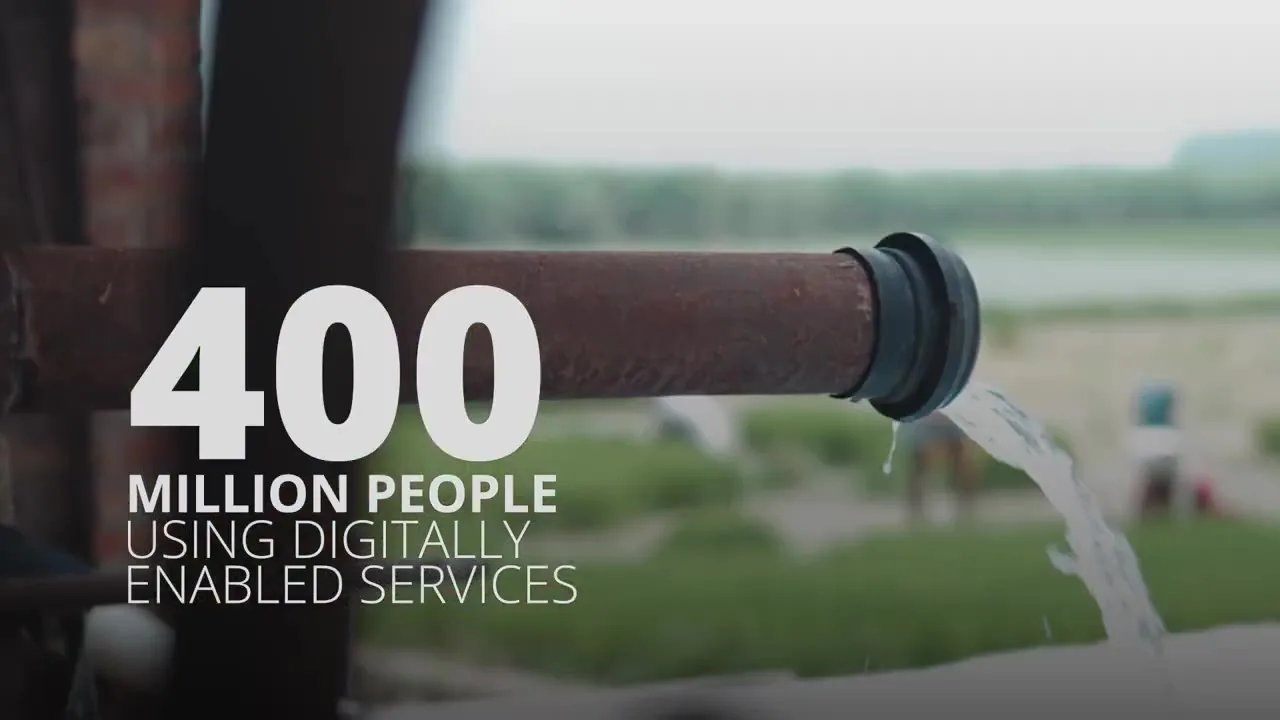
The World Bank Group set a target of 600 million people using broadband internet. It also set a target of 400 million people using digitally enabled services, describing those services as ways to change how people work, learn and live.
“One plan, reaching 1 billion people by 2030,” the institution said. It did not specify whether the broadband and service targets would cover separate groups or whether some people would fall into both.
The announcement placed the effort against the prospect of young people entering employment. Over the next decade, 1.2 billion young people in developing countries will enter the workforce, the World Bank Group said.
“A connection can mean a first customer, a diagnosis sooner, a lesson within reach, a job with a future,” the institution said. It did not give a numerical target for jobs created through the effort.
The institution organised its approach around four areas: access, affordability, the systems supporting digital activity, and readiness to adopt and adapt artificial intelligence. It described these as the foundations of its digital ambition.
The World Bank Group said it would use 10 solutions designed to expand to reach more people and adapt to individual countries. The recording did not list those solutions individually or identify countries where they would be introduced.
The work includes connecting places that are hardest to reach and making devices and data affordable and usable. It also includes building digital services around local needs and helping countries participate in the use of artificial intelligence.
“Ensuring no country gets left behind in the AI era,” the institution said, describing the aim of that work. The announcement did not specify funding, country allocations or intermediate deadlines before 2030. It also left open how progress towards the reach and usage targets would be measured.