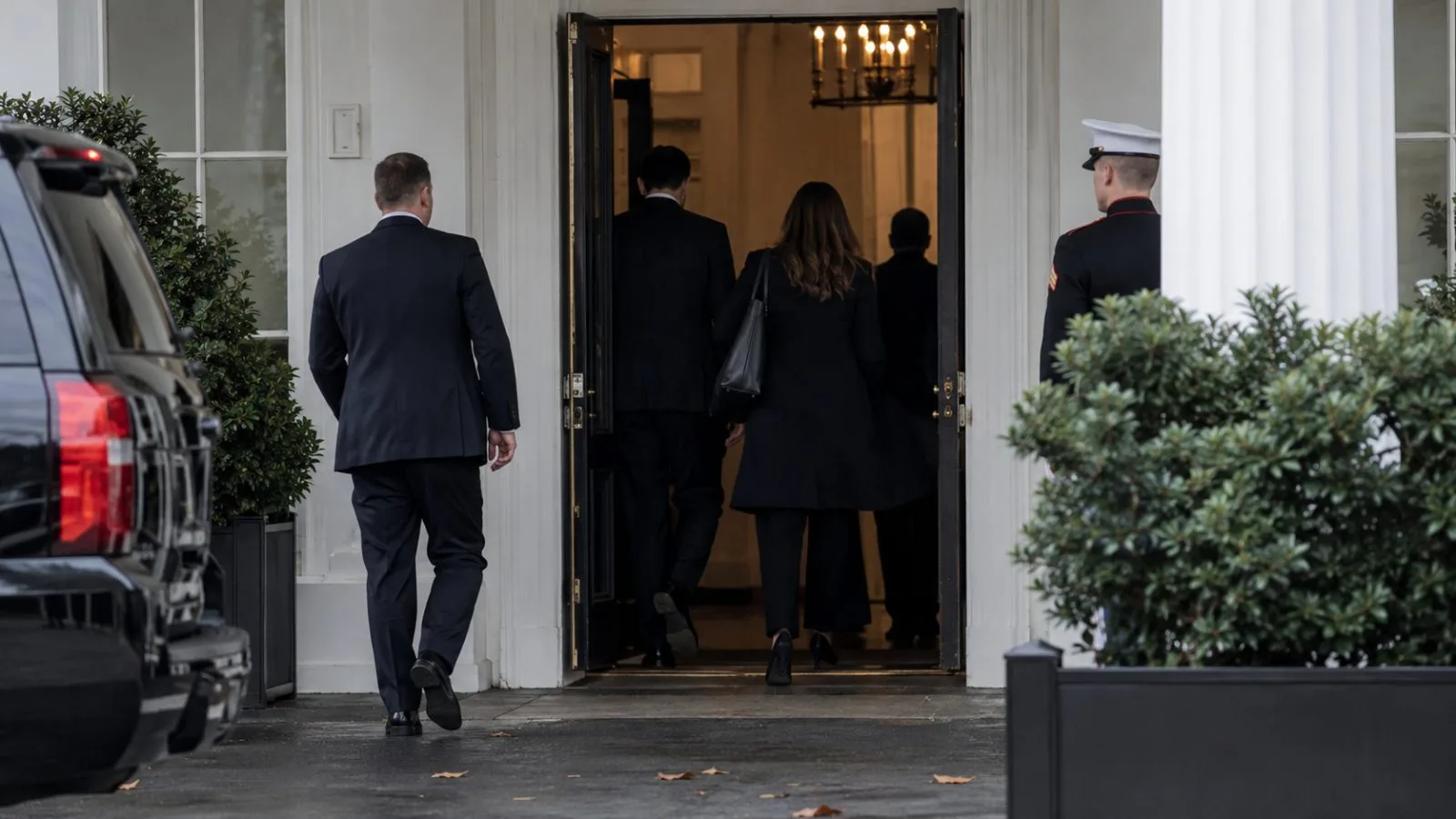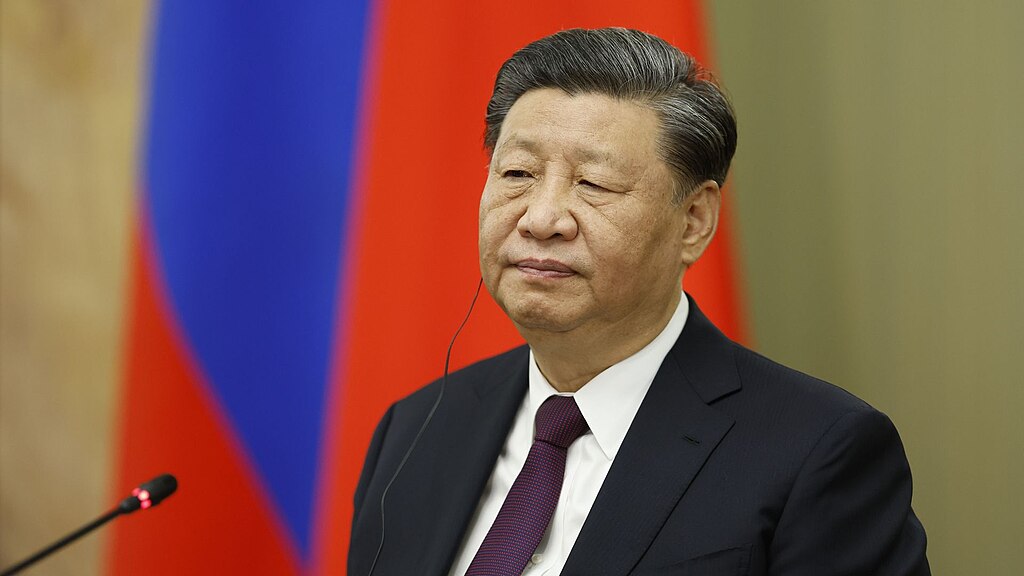
Chinese President Xi Jinping is set to host South Korean President Lee Jae Myung on a state visit beginning Sunday, highlighting Beijing’s strategic push to strengthen relations with Seoul amid heightened regional tensions involving Japan and Taiwan. The visit comes just two months after the two leaders last met, an unusually short interval that analysts view as a clear signal of China’s desire to deepen diplomatic, economic, and cultural cooperation with South Korea.
The timing of the visit is particularly significant as relations between China and Japan have reached one of their lowest points in years. Tensions escalated after Japanese Prime Minister Sanae Takaichi suggested that a hypothetical Chinese military action against Taiwan could prompt a response from Tokyo. Against this backdrop, Xi’s invitation to Lee is widely seen as a calculated move to prioritize ties with Seoul, especially before the South Korean leader’s anticipated visit to Japan.
Lee’s administration has emphasized its intention to restore and rebalance relations with Beijing, acknowledging China as South Korea’s largest trading partner. This marks a shift from the previous government under Yoon Suk Yeol, whose closer alignment with the United States and Japan, along with criticism of China’s Taiwan policy, strained Seoul–Beijing relations. Lee has stated he will not take sides in disputes between China and Japan, instead seeking pragmatic cooperation to safeguard South Korea’s economic and strategic interests.
Despite warmer diplomatic signals, challenges remain. South Korea maintains a strong alliance with the United States, which has about 28,500 troops stationed on the peninsula to deter North Korea. Washington has indicated it wants those forces to be more flexible in responding to broader regional threats, including Taiwan, a move that concerns Beijing. North Korea also looms large on the agenda, with Lee expected to urge China to help facilitate dialogue with Pyongyang, despite recent rebuffs from the North.
Economic cooperation is expected to be a central focus of the visit. Discussions are likely to cover critical minerals, supply chains, semiconductors, green industries, and advanced technologies such as artificial intelligence. China supplies nearly half of South Korea’s rare earth imports and accounts for roughly one-third of its semiconductor exports, underscoring deep economic interdependence. Cultural exchanges may also resurface, including the easing of China’s long-standing restrictions on K-pop, adding another dimension to the evolving relationship.