


 Arthur Hayes Announces FLOP Testnet Launch Within Weeks
  Apple Names Steve Smith M&A Chief in Leadership Shakeup
  TSMC Profit Set to Surge 65% as AI Chip Demand Drives Record Earnings
  Samsung, SK Hynix Shares Plunge as China Chip Competition Grows
  Trump Buys Up to $25M in Meta Stock, Invests in SpaceX Debt
  Apple Supplier Luxshare Sees Limited Impact From US Patent Probe
  Nvidia’s China AI Chip Market Share Falls to 34% as Huawei Gains Ground
  Solidigm Taps Goldman, Morgan Stanley for $10 Billion US IPO
  TSMC Q3 Revenue Beats Estimates as AI Chip Demand Surges
  Tencent Shares Fall as $5 Billion AI Bond Sale Weighed
  Meta Launches Muse Wonder AI Models, Shares Rise 3.7%
  Oracle Uses Trucked Natural Gas to Power AI Data Centers Amid Pipeline Delays
  Elon Musk Eyes Semiconductor Manufacturing Expansion With $15 Billion Terrafab Project
  Epic Games Delays Disney Shooter, Shifts to AI-First Development
  Apple Supplier Luxshare Faces US Patent Probe, Sees Limited Impact
  Anthropic Launches Claude Dashboards and Motion AI Tools


 Add as a preferred source on Google
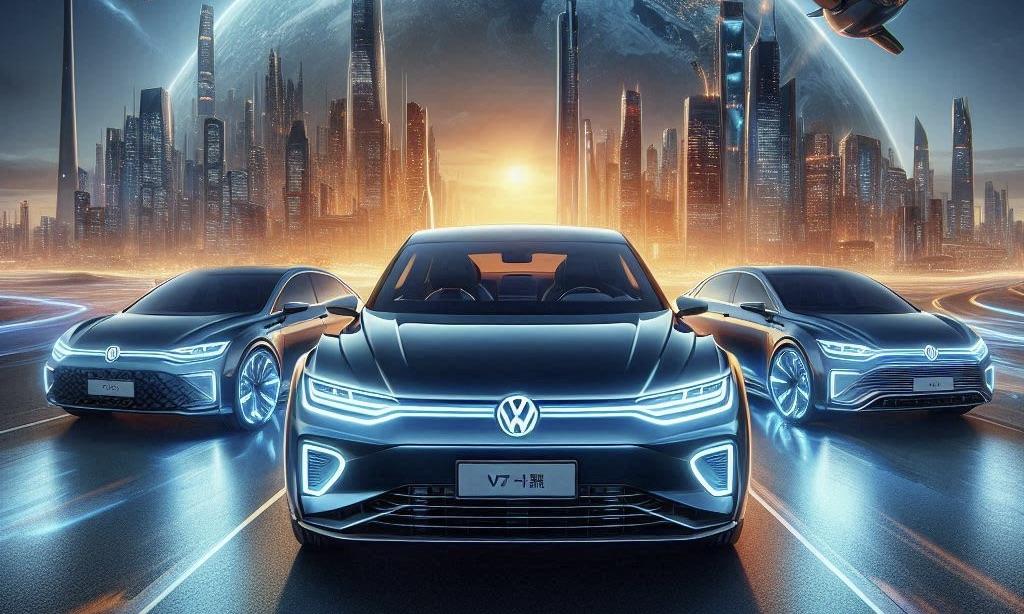
In a landmark collaboration, Chinese electric vehicle manufacturer Xpeng Inc. and German auto giant Volkswagen AG have unveiled a partnership to accelerate the development of an innovative EV architecture. This strategic alliance marks a significant step in the global race to dominate the electric vehicle market.
As reported by Reuters, Xpeng and Volkswagen have established project houses in Guangzhou and Hefei, China. These dedicated joint workspaces will enable engineers from both companies to collaborate closely on creating a new EV architecture. This architecture encompasses the layout of electronic components, modules, and the vehicle's network, which is critical for the performance and efficiency of electric cars.
The partnership aims to begin production of this cutting-edge architecture within two years. By 2026, Volkswagen plans to equip all its electric vehicles in China with this powerful and efficient system. This move is part of Volkswagen's broader strategy to increase its footprint in the Chinese EV market, which remains the largest and most competitive in the world.
This collaboration follows Volkswagen's significant investment last year, when the German automaker acquired a 4.99% stake in Xpeng for approximately $700 million. The deal also included plans to launch two Volkswagen-branded electric vehicle models by 2026 jointly. This partnership is poised to benefit both companies, allowing Volkswagen to leverage Xpeng's advanced technology and local market expertise while Xpeng gains from Volkswagen's extensive manufacturing and distribution capabilities.
The new EV architecture is expected to facilitate the production of more affordable electric vehicles, a crucial factor in expanding market share in China. The initiative also reflects a growing trend among foreign automakers to collaborate with local Chinese companies to navigate China's complex and rapidly evolving EV landscape.
This development comes amid challenging times for Chinese EV stocks, including Xpeng. The Biden administration's potential restrictions on chip sales to China have escalated geopolitical tensions, contributing to a downturn in the stock market. According to a Benzinga report, Xpeng's stock has seen a significant decline, losing over 39% in the past year.
Furthermore, foreign automakers face stiff competition in China’s burgeoning EV market. Despite new tariffs on Chinese EVs, foreign companies struggle to keep pace with domestic manufacturers. A study by AlixPartners indicates that foreign automakers lag in a market that accounts for over 40% of new passenger car sales in China.
The Xpeng-Volkswagen partnership represents a strategic effort to overcome these challenges by combining resources and expertise. The project houses in Guangzhou and Hefei symbolize a commitment to innovation and efficiency, which could set a new standard in the electric vehicle industry.
As the global market watches closely, this collaboration could serve as a blueprint for future partnerships between international and Chinese companies. The success of this initiative may well determine the competitive dynamics in the electric vehicle sector for years to come.







