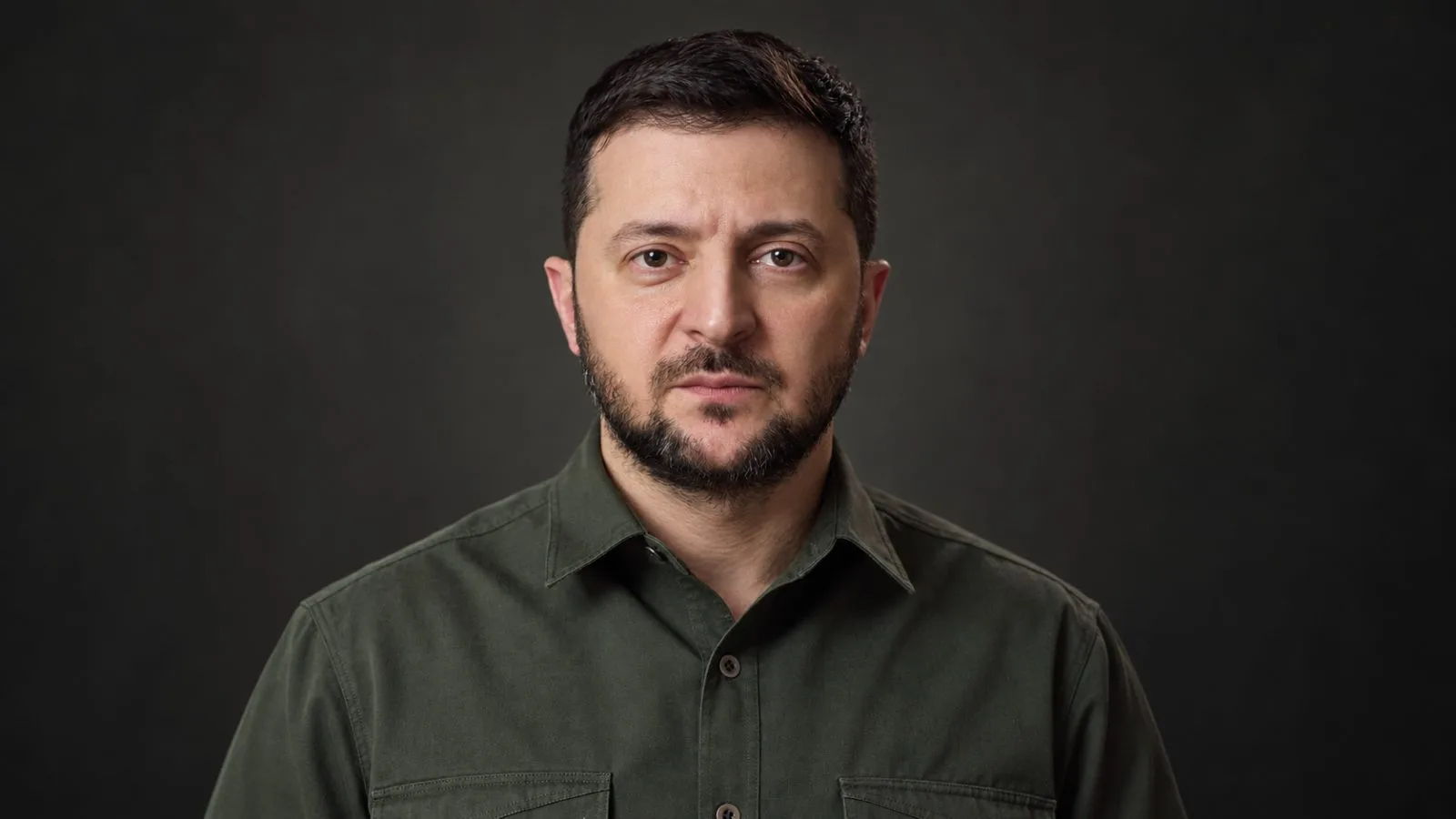
Ukrainian President Volodymyr Zelenskyy said U.S. negotiators asked whether Ukraine would withdraw from Donbas if it joined NATO, placing territory and postwar security at the center of talks with Washington.
Zelenskyy told journalists on Nov. 13: “The Americans asked: ‘If Ukraine joins NATO, will Ukraine withdraw from Donbas?’” He said it was the first time the issues had been linked. He described an inquiry, not a confirmed offer, and did not name the U.S. representative who raised it.
Zelenskyy said Kyiv was discussing a comprehensive security package, but no concrete proposal had been presented. Possible elements include guarantees from NATO and the European Union, personnel, weapons and funding for Ukraine’s army for a specified period, and a reconstruction plan backed by identified funding.
He said he would discuss a package with Ukrainians if the United States and other NATO partners confirmed it, adding that he would not decide alone. Reuters reported that the possible public decision was a national referendum. Zelenskyy’s quoted remarks described an open dialogue with the public without specifying a formal vote.
In a Nov. 10 interview with Danish broadcaster DR, Zelenskyy said a security arrangement discussed with the United States had been described to him as “not NATO, but something similar to NATO.”
U.S. Secretary of State Marco Rubio said on Nov. 9 that Washington had not settled on a final plan for postwar security guarantees and that any arrangement would need Russia’s agreement. The European Council published a statement on its Nov. 10 Abu Dhabi meeting involving the European Union, France, Germany, Italy, the United Kingdom, Ukraine, the United States and NATO. It said future arrangements must respect Ukraine’s sovereignty, territorial integrity and independent decision-making, and provide credible security guarantees.
In an Oct. 21 Fox News interview, Zelenskyy said Ukraine could begin peace talks with a ceasefire along the current front line while refusing to cede Donbas, a position covered in EconoTimes’ earlier coverage of his ceasefire position.