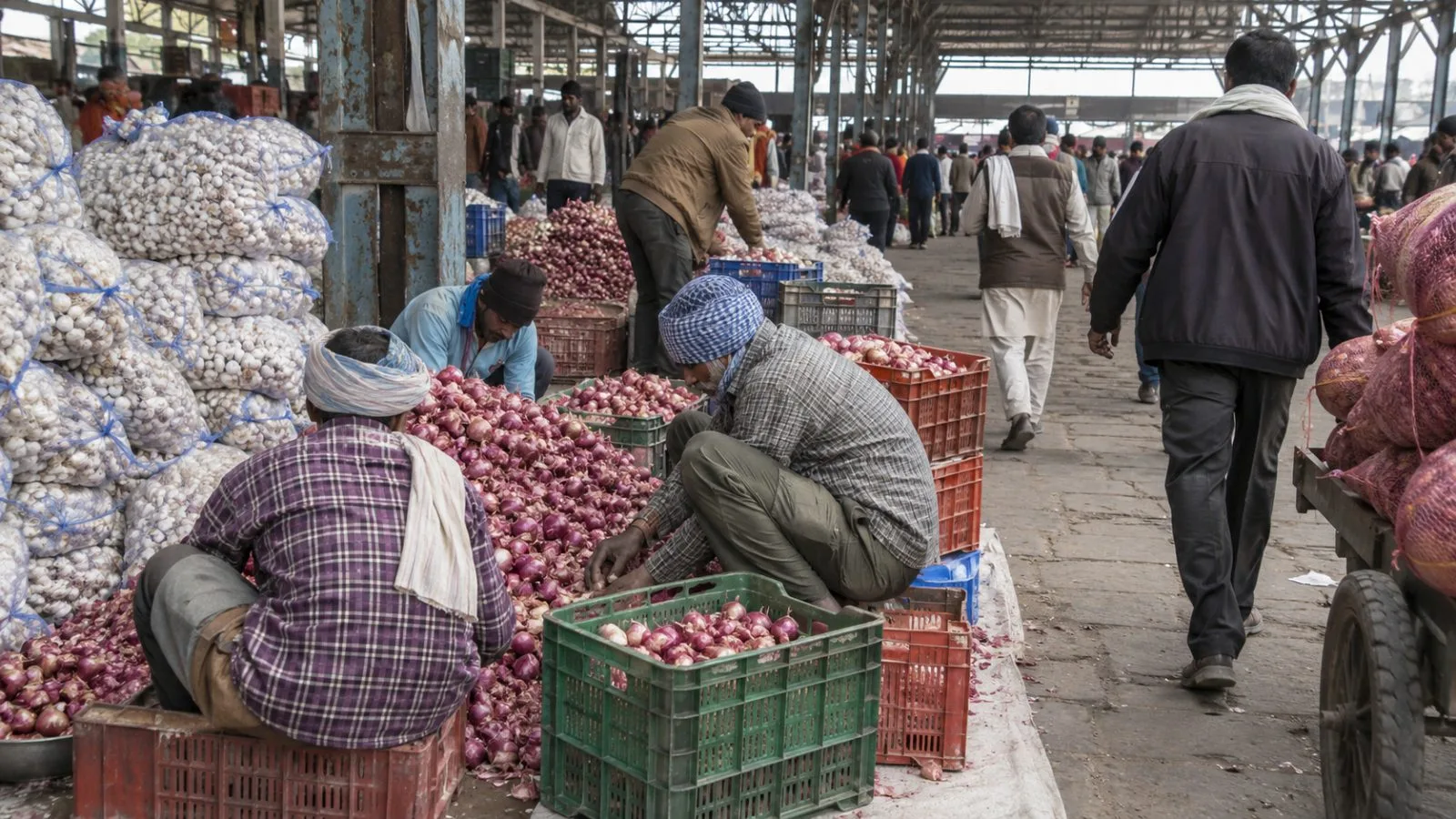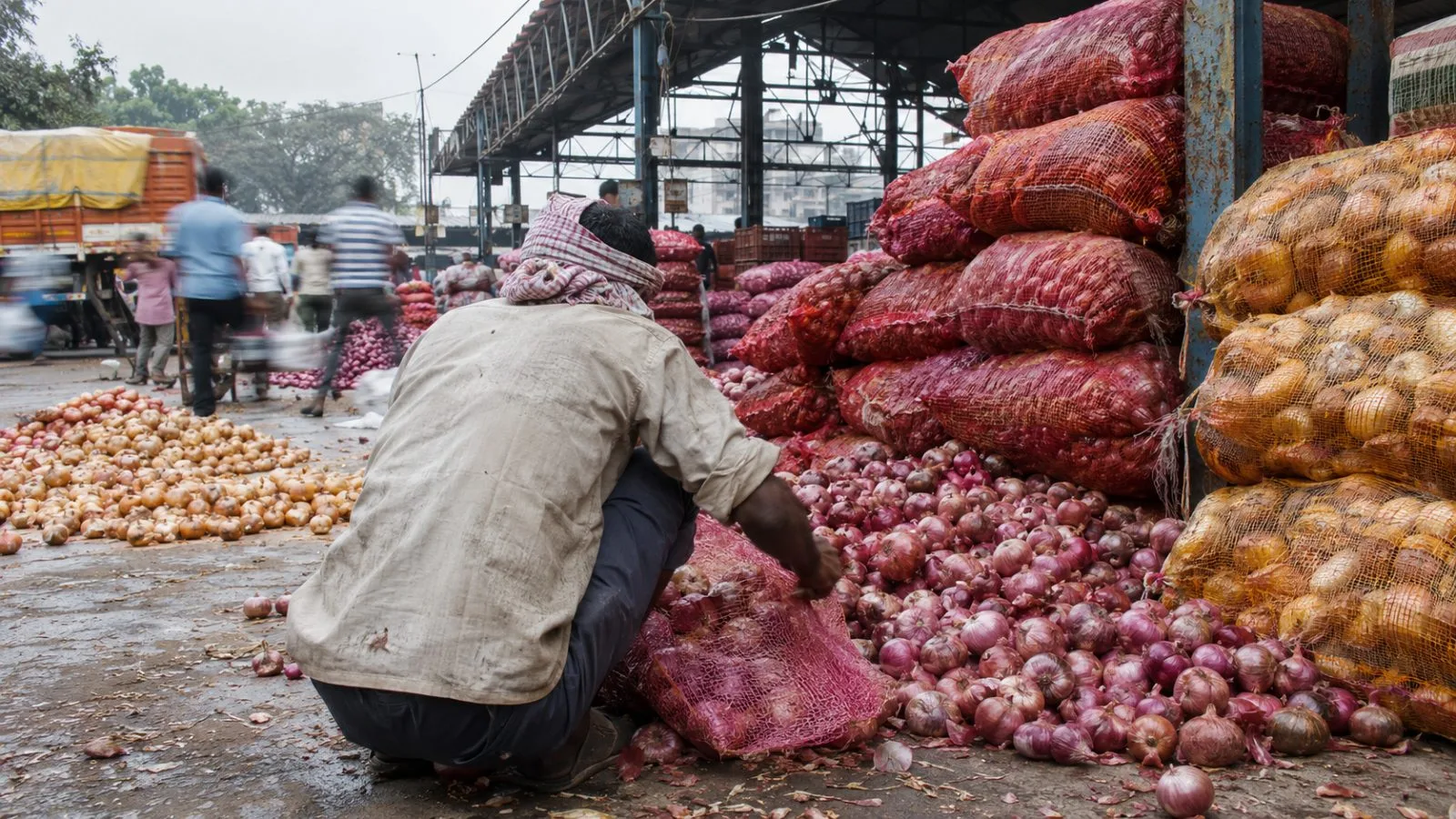
India's rural households face greater exposure to food-price increases than urban households, a gap that could test domestic demand as inflation climbs faster outside cities, though survey responses still point to spending gains.
Provisional Consumer Price Index inflation was 6.09% year over year across India in October 2026, the Ministry of Statistics and Programme Implementation (MoSPI) said. The rate was 6.63% in rural areas and 5.41% in urban areas; food inflation was 9.09% and 8.68%, respectively. National food inflation stood at 8.94%.
MoSPI's 2023-24 Household Consumption Expenditure Survey put food at 47.04% of average monthly per-capita expenditure in rural India, compared with 39.68% in urban areas. The estimates exclude the imputed value of goods provided free through welfare programs. The comparison points to greater budget exposure in rural areas, but does not show that food inflation has already cut rural consumption.
A September survey by the Reserve Bank of India (RBI) found a mixed picture among 8,799 rural and semi-urban respondents. Its Current Situation Index fell to 90.6 from 91.7 in July, while its Future Expectations Index was 112.8. Asked about spending compared with a year earlier, 82.4% said it had increased and 2.8% said it had decreased. Median perceived inflation was 6.8%, and median inflation expectations for the next year were 7.9%. The survey ran Sept. 10-20, before October's inflation figures were released.
Weather conditions add uncertainty to the outlook. The India Meteorological Department (IMD) said rainfall across India from Oct. 1 to Nov. 11 was 32% below the long-period average and that very strong El Niño conditions were prevailing and likely to continue in November and December. The Ministry of Earth Sciences said neither the IMD nor the World Meteorological Organization formally recognizes a Super El Niño category. The rainfall and climate data indicate risk, but do not establish a realized effect on farm income or consumer spending.
Online festive sales also showed mixed signals. Datum Intelligence estimated sales of ₹1,40,800 crore across 34 sale days through Nov. 9, 2026, up 17% from 2025 but below its September forecast of ₹1,50,000 crore to ₹1,55,000 crore. Average online card payments fell 13% to about ₹5,970, while card transactions rose 7%. Datum's figures describe online purchases during the festive sale period.
For global investors, the data complicate a multi-year consumption outlook that ANI attributed to 360 ONE Capital in a story carried by The Economic Times. The firm cited India's young population, rising aspirations and digital adoption as supports for demand, and expects premium products to outperform mass-market categories. It also said companies should adjust products and supply chains as consumer preferences change.