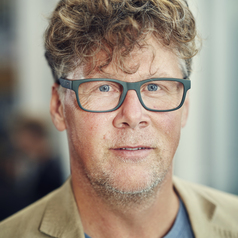
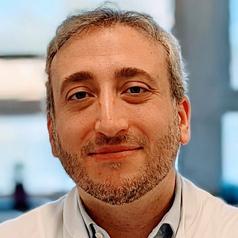
Head of the Department of Human Geography, Lund University I am a senior lecturer, reader and department head. My research bridges the gap between technical and social sciences, with time spent at institutions like MIT and the Royal Institute of Technology. My work primarily focuses on using satellite data, such as nighttime lights, to analyze economic development in areas with limited statistical data. This approach is particularly impactful in regions with underdeveloped public statistics or restrictive regimes. I am is also the co-author of "Models for Non-Modelers," a guide for social scientists and researchers in understanding and applying data and statistical models. This work simplifies complex concepts in AI, epidemiology, and climate science, making them accessible to those without extensive mathematical backgrounds. Recently, I have focused on the use of AI and satellite imagery in poverty analysis. Research in this field involves statistical analysis of welfare and poverty predictions, emphasizing the synergy of machine learning and deep learning in enhancing predictive accuracy. Recently, I combine high-resolution satellite imagery with expert analysis to estimate welfare levels, using the 2015 Tanzania DHS dataset for validation. This innovative approach highlights the potential of integrating human expertise with AI in socioeconomic research. My mark is to merge technical and social science disciplines, making significant strides in GIS applications for socioeconomic studies and advancing the use of AI and satellite imagery in understanding complex global issues.
Professor of Regenerative Neuroimmunology, University of Cambridge My team studies whether the accumulation of neurological disability observed in patients with progressive forms of multiple sclerosis (PMS) can be slowed down using stem cell therapies. In particular, our aim is to understand the basic mechanisms that allow exogenously delivered neural stem cells (NSCs) to create an environment that preserves damaged axons or prevents neurons from dying. Using stem cells as a model to identify the critical factors that prevent neurodegeneration is an exciting new frontier of regenerative medicine, which is just being tested in humans. I have been first or senior author in seminal papers that have established the potential of somatic NSC-based experimental therapies for PMS. My early studies identified a critical role around the route of cell injection4 and the mechanisms of NSC accumulation in the chronically inflamed CNS, as well as revealing an unexpected ability of NSC therapies to provide neurotrophic support and inhibit detrimental host immune responses in vivo. My team has also focused on defining the nature and function of intercellular signalling mediated by extracellular membrane vesicles (EVs) from NSCs. Using a series of computational analyses and high-resolution imaging techniques, we have demonstrated that EVs deliver functional IFN-g/Ifngr1 complexes to target cells. We have also discovered that EVs harbour L-asparaginase activity catalysed by the enzyme Asparaginase-like protein 1. While the translation of EV therapies into clinical regenerative therapies is still some way from being fully achievable, both these studies on NSC EVs serve as complementary models of how stem cell grafts might signal to the host to mediate repair through a range of complementary actions. Our most recent work describes a delayed accumulation of the pro-inflammatory tricarboxylic acid (TCA) cycle intermediate succinate in the cerebrospinal fluid (CSF) of mice with experimental autoimmune encephalomyelitis (EAE), a model of chronic MS. We have identified a new complementary mechanism by which directly induced NSCs (iNSCs) respond to endogenous inflammatory metabolic signals to inhibit the activation of type-1 mononuclear phagocytes (MPs) in vivo after transplantation. Transplanted iNSCs respond to the succinate released by type-1 inflammatory macrophages and microglia in the CSF, which then signals to iNSCs via succinate receptor 1 (SUCNR1) and initiates the secretion of prostaglandin E2 and the scavenging of extracellular succinate. Our research has therefore recalibrated the classical view that neural grafts only function through structural cell replacement and opened up a new therapeutic avenue by which to use exogenously delivered NSCs. By understanding the mechanisms of intercellular (stem cell) signalling, diseases of the central nervous system (CNS) may be treated more effectively, and significant neuroprotection may be achieved with new tailored NSC therapeutics.
Senior Research Associate and Honorary Neurology Consultant, University of Cambridge Luca Peruzzotti-Jametti is a Senior Research Associate, Honorary Neurology Consultant, and Group Leader within the Department of Clinical Neurosciences at Cambridge University (UK), and Honorary Senior Lecturer in the Department of Metabolism, Digestion and Reproduction, Imperial College London (UK). Luca obtained his MD from the University Vita-Salute San Raffaele of Milan, Italy (2007). He completed a residency program in Neurology at the same University (2013) and a following PhD in Clinical Neurosciences at the University of Cambridge, UK (2018). During his early graduate studies, he was a visiting scientist in major European universities, such as the University Hospital in Zürich (Switzerland), the University of Aarhus (Denmark), the Laboratory of Stem Cells and Restorative Neurology of Lund (Sweden) and the University of Innsbruck (Austria). He later progressed towards a post-doctoral position at Cambridge University (2018) and then became Group Leader within the Cambridge Center for Myelin Repair (CCMR) and Department of Clinical Neurosciences (2020). Over the last 10+ years, Luca has made key contributions to the understanding of the pathobiology of inflammation in central nervous system (CNS) diseases. His research in regenerative neuroimmunology led to novel experimental advanced therapeutics with neural stem cells, acellular therapeutics (e.g., extracellular vesicles), and small molecules for the treatment of ischemic stroke, spinal cord injury, and progressive multiple sclerosis (MS). Luca’s most recent work is focusing on cellular metabolism and mitochondria to find novel ways to modulate chronic inflammation and favour CNS regeneration. To this aim, he has developed unique tools to model metabolic/mitochondrial dysfunctions in vitro (using human cells and gene editing techniques) and in vivo (with animal disease models); as well as cutting edge techniques to detect metabolic changes in rodent and human cells and tissues. His multi-disciplinary approach is setting the stage for a new series of interventions that target cell metabolism in immune cells, as the next opportunity to promote the healing of the persistently inflamed CNS. Luca’s laboratory activity is documented in >60 PubMed indexed publications - including Cell Stem Cell, New England Journal of Medicine, Nature Medicine, and Nature Chemical Biology - which have received >8,300 citations, having a Hirsch Factor of 27.
PhD Candidate, School of Law and Politics, Cardiff University Nicola's PhD research focuses understanding the impact of the military's response on the bereaved military family following a death in the line of duty. She has a background as a mental health nurse, specialising in working with psychological trauma. In addition to her research activities, she works as an advisor to both statutory and non-statutory organisations, in the UK and overseas, to support the development of trauma informed organisational responses following a traumatic incident.
Senior Lecturer, Department of Politics and International Relations, University of York Harriet Gray is Senior Lecturer in the Department of Politics and International Relations at the University of York, UK. Her research interests fall within the overlapping fields of critical military studies, critical war studies, and feminist international relations. Much of Harriet’s research to date has focused on gender-based violence in armed forces and conflict spaces, where her work seeks to understand the lived experiences of victim-survivors and of perpetrators and to draw intra-active connections between multiple forms of violence from the intimate to the geopolitical. Harriet has conducted qualitative interview-based research on sexual violence and intimate partner violence in the British military, and on multiple forms of GBV in (post-)conflict settings in the African Great Lakes region. Harriet is also PI on an ESRC-funded project exploring the memorialisation of sexual violence across war and peace in the contemporary USA. This work explores the potential of public art to change the conversation around sexual violence, and the complicated politics of trying to use it to do so. Harriet’s work has been published in journals including European Journal of International Relations, International Feminist Journal of Politics, The British Journal of Politics and International Relations, Security Dialogue, Gender, Place and Culture, and the Royal United Services Institution Journal. She is an Associate Editor of Critical Military Studies and of Political Studies.
Conflict researcher, US Naval War College Ralph Shield is a senior researcher with the Strategic and Operational Research Department (SORD) at the U.S. Naval War College. He previously served as a military officer, defense attaché, and foreign military advisor. His work has appeared in the Journal of Strategic Studies, Small Wars & Insurgencies, the Journal of Slavic Military Studies, and the Journal of Southern African Studies (forthcoming). His specific research interests include non-Western approaches to counterinsurgency, air power employment in intrastate war, competitive intervention in civil wars, and the drivers of divergent military behavior.