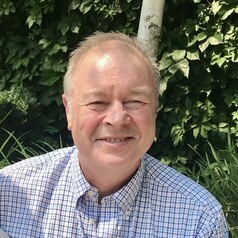
Associate Professor, Neonatology, ANU Medical School, Australian National University David has worked in Neonatal Medicine for 44 years initially as a medical scientist obtaining a MSc and PhD from Sydney University. Following these qualifications, he obtained a medical degree at Sydney University in 1998. Since then, he has continued to work within the field of Paediatrics and Neonatal Medicine. Currently, he works in the Neonatal Department at the Centenary Hospital for Women and Children, Canberra. He has a university appointment of Associate Professor at the Australian National University (ANU) in the School of Medicine and Psychology. His main focus of research had been Chronic Lung Disease and Retinopathy of Prematurity in preterm babies, but he now also has a major interest in Tongue Ties in babies that can affect breastfeeding. Since 2006, David has established and is the lead clinician at the Tongue Tie Clinic at the Centenary Hospital.
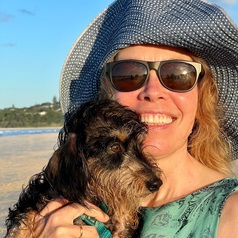
Professor of Ecology, University of the Sunshine Coast Professor Catherine Yule was formally the Associate Dean (Learning and Teaching) for the Faculty of Science, Health, Education and Engineering. Prior to coming to UniSC, Professor Yule lived and worked in SE Asia on Bougainville Island in Papua New Guinea, Indonesian Borneo and Malaysia for over thirty years. Her multidisciplinary research focuses on the ecology of rivers, lakes and swamps, particularly subtropical and tropical peat swamps, extreme and endangered environments of global significance due to their vast carbon sequestration. Her pioneering research on tropical ecosystem functioning using microbial ecology, metagenomics and phytochemistry has provided new insights and overturned misconceptions, with important implications for conservation management and climate change mitigation. Professor Yule also investigates other issues of global importance such as water pollution, and bioprospecting for novel bioactive compounds to combat antimicrobial resistance. She and her research team have discovered 18 new species of aquatic microbes and insects, including three novel peat swamp bacteria that exhibit antimicrobial activity against significant human pathogens.
Oral Historian, Department of History, University of Texas at Arlington Joseph Harris Carpenter served eight years in the United States Air Force Medical Corps and is a veteran of Desert Storm. After his military career, he spent 25 years in medical device and insurance sales before pursuing his life-long passion for history. Joe has a B.A. in History with a minor in Military History, as well as an M.A. in History (with Public History and Archives certificates) - both from UTA. Since 2020, Joe has worked as an Oral Historian for UTA & Texas Tech's Vietnam Center and Archive, collecting and documenting the experiences of U.S. military veterans. With his extensive life experience and sincere dedication to sharing the stories of those who have lived history, Joe brings a wealth of knowledge and enthusiasm to his position.
Postdoctoral Research Fellow, Animal Law and Policy, Queen's University, Ontario After graduating, I worked for a year at the Cambridge Centre for Animal Rights Law. After my current postdoctoral fellowship at Queen's University, I will work as a research fellow at the Animal Law and Policy Program at Harvard Law School.
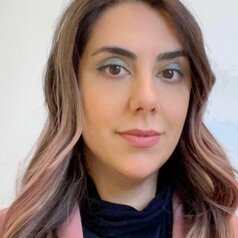
Research assistant, PAWSitive Connections Lab, University of Saskatchewan Laleh Dadgardoust is a research assistant at the PAWSitive Connections Lab, an interdisciplinary team with joint direction by Dr. Darlene Chalmers with the Faculty of Social Work at the University of Regina, and Dr. Linzi Williamson with the Department of Psychology and Health Studies at the University of Saskatchewan.
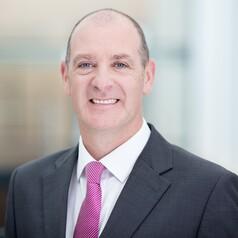
Professor of Precision Therapeutics, School of Pharmacy and Biomolecular Sciences, RCSI University of Medicine and Health Sciences Prof. Steve Kerrigan is Deputy Head of the School of Pharmacy (Research), Professor of Precision Therapeutics, Head of the Cardiovascular Infection Research Group which is part of the Irish Centre of Vascular Biology and Co-founder/Chief Scientific Officer at Inthelia Therapeutics (RCSI Spin-out Company). Prof. Steve Kerrigan is an honours graduate in B.Sc Pharmacology from King's College University of London, UK and obtained an M.Sc in Immunopharmacology from the University of Strathclyde, Glasgow, Scotland. He received a PhD in Cardiovascular Infection specifically investigating platelet-bacterial interactions from RCSI in 2001. Following this he carried out postdoctoral research in the University of California, San Francisco, USA. Prof. Kerrigan was appointed lecturer in Pharmacology in the School of Pharmacy in 2008, promoted to Senior Lecturer in 2013, Associated Professor in 2017 and Full Professor in 2021. Since his faculty appointment, he has published over 90 articles in leading peer-reviewed international journals and filed 11 patent/disclosures and supervised 21 doctoral candidates to completion as primary supervisor. He has a current h-index of 37. Accolades include a Health Research Board Training Fellowship, Science Foundation Ireland Career Development Award and Enterprise Ireland Commercialization Fund. He has presented over 60 invited talks at national and international universities, conferences and symposia including International Society for Thrombosis and Haemostasis, Platelets International Symposium, American Society for Microbiology and the European Shock Society. He has served as an invited reviewer for more than 40 scientific journals and served as a grant reviewer for various international funding bodies. Prof. Kerrigan is a member of more than 10 international societies and was elected to Chartered status (CBiol) and Fellowship of the Society of Biology (FSB) which are the highest grades of membership of the professional body. Prof. Kerrigan was previously co-chair of the International Society for Thrombosis and Haemostasis Scientific Standardization Committee in Biorheology, committee member in the European Sepsis Alliance research working group and is currently a member of the Royal Irish Academy (RIA) Life and Medical Sciences Multidisciplinary Committee. Prof. Kerrigan has received several awards for his groundbreaking research discoveries that are now progressing to trials. These accolades include the 2023 Science Foundation Ireland Innovation Award and the 2024 Future Health Summit Innovation Award.