MNX Crypto Exchange Launches Futures for OpenAI, Anthropic Valuations
  AT&T Sells Mexico Wireless Business to Televisa for $2 Billion
  OpenAI Uses AI to Uncover Hidden Recording Device, FBI Makes Arrest
  Citi Upgrades Galaxy Digital Stock, Raises Price Target to $28
  Samsung, SK Hynix Shares Fall as China's CXMT Advances DRAM Technology
  Moonshot AI Executives Seek Settlement Ahead of Hong Kong IPO
  Apple Cuts iPhone 18 Pro Production Orders Amid Weak Demand
  Robinhood Chain Eyes Priority Gas Auctions for Faster Trades
  Arthur Hayes Announces FLOP Testnet Launch Within Weeks
  Nvidia Invests in Four French AI Companies to Expand European Presence
  Yandex Data Center Hit by Drone Strike as Russia-Ukraine Cyber Infrastructure Attacks Escalate
  Trezor Cuts Reseller Network After Ledger Security Breach
  Arm Breaches Qualcomm License Deal, Jury Awards $2


 Add as a preferred source on Google

Apple’s new App Tracking Transparency (ATT) measure is now live as the company seeds the first version of the iOS 14.5 beta. It happens very shortly after Facebook announced it is also launching its own “screen” to tackle online privacy among its users.
First iOS 14.5 developer beta arrives with Facebook-contested privacy feature
The ATT Apple introduces on iOS 14.5 will require developers to adhere to a framework that will “[present] an app-tracking authorization request to the user.” This applies to developers with apps that collect user data, which are then shared with other companies letting them track users for targeted ads.
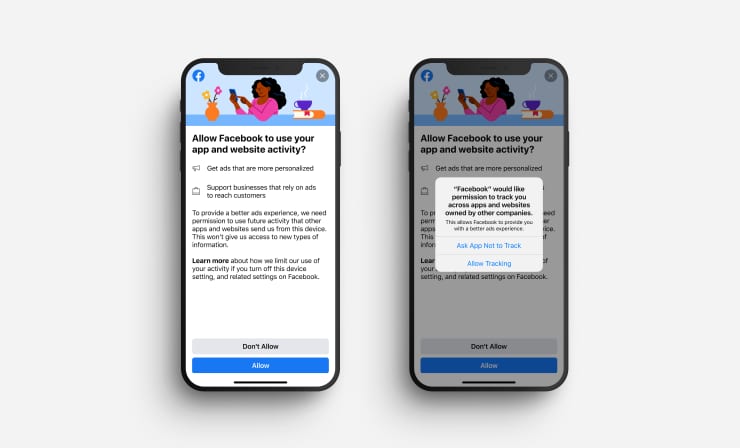
Once iOS 14.5 launches for the public, the particular ATT update will add a toggle button letting users enable or disable the “Allow Apps to Request to Track” option. When enabled, users a pop-up prompt would appear upon opening an app asking, “Allow “[iOS app]” to track your activity across other companies’ apps and websites?” People can then opt-out or choose “Allow” if they want to keep personalized ads on their devices. This prompt will only appear on apps that collect data such as the ID for advertisers (IDFA).
Today, #Apple launches the privacy-focused #iOS 14.5 developers beta will make the new app privacy protocol mandatory, so all apps must ask the user for permission to record and monitor our activity on other apps and websites. Facebook is already taking steps for change. pic.twitter.com/lOyP3GKPAr
— Noé Boccanegra (@boccanegran) February 1, 2021
Facebook has been very vocal about its disagreement on the new iOS 14 privacy feature since its announcement. Just as the ATT goes live on the iOS 14.5 developer beta, the social media company announced Monday that it is going to launch its own pop-up prompt similar to Apple’s. However, opting in or out will not keep ads away from the platform. “If you decline, you will still see ads, but they will be less relevant to you,” Facebook explained.
Apple, Facebook continues to debate over privacy policies
Facebook has been one of, if not the, most vocal tech companies to criticize the iOS 14’s new privacy-focused feature. Aside from a series of blog posts since the iOS 14 was announced last June, it also took out a full-page newspaper ad to call out the iPhone maker last December.
Facebook criticizes Apple’s iOS privacy changes with full-page newspaper ads https://t.co/KO1rUCNAC6 pic.twitter.com/G2WsXpZ6uV
— The Verge (@verge) December 16, 2020
Last month, Facebook CEO Mark Zuckerberg said they consider Apple as potentially their “biggest competitor.” The Information has also reported that the social media company is looking into filing an antitrust lawsuit against Apple. These reports were then followed by Apple CEO Tim Cook’s speech at a data privacy conference where he said, “If a business is built on misleading users, on data exploitation, on choices that are no choices at all, it does not deserve our praise. It deserves reform.”