


 Elon Musk Eyes Semiconductor Manufacturing Expansion With $15 Billion Terrafab Project
  OpenAI Annualized Revenue Hits $50 Billion, Below Earlier Estimates
  Apple Supplier Luxshare Faces US Patent Probe, Sees Limited Impact
  Arthur Hayes Announces FLOP Testnet Launch Within Weeks
  New York Times, AFP Join Coalition to Protect Content From AI
  Nvidia Invests in Four French AI Companies to Expand European Presence
  Trump Buys Up to $25M in Meta Stock, Invests in SpaceX Debt
  Nvidia’s China AI Chip Market Share Falls to 34% as Huawei Gains Ground
  Yandex Data Center Hit by Drone Strike as Russia-Ukraine Cyber Infrastructure Attacks Escalate
  Moonshot AI Executives Seek Settlement Ahead of Hong Kong IPO
  Trezor Cuts Reseller Network After Ledger Security Breach
  MNX Crypto Exchange Launches Futures for OpenAI, Anthropic Valuations
  Zcash Plans Quantum-Resistant Security Upgrade for January
  AT&T Sells Mexico Wireless Business to Televisa for $2 Billion
  Apple Supplier Luxshare Sees Limited Impact From US Patent Probe
  Epic Games Delays Disney Shooter, Shifts to AI-First Development


 Add as a preferred source on Google
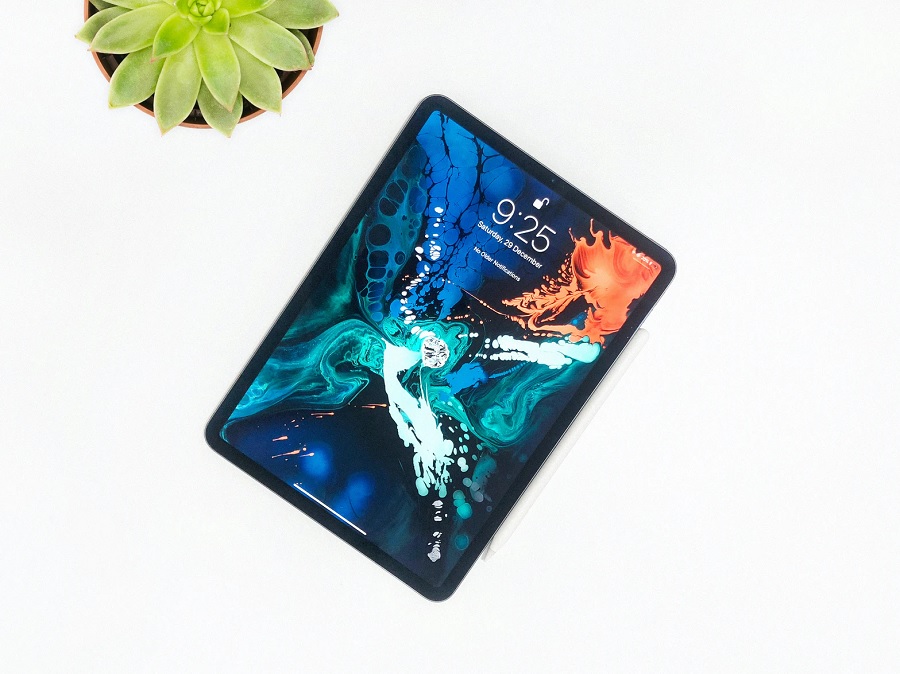
Apple introduced its first device with a mini-LED display earlier this year, but more could come in 2022. A new report from a renowned analyst is predicting that the tech giant could expand the mini-LED adoption to the next 11-inch iPad Pro.
Analyst Ming-Chi Kuo, known for his oft-accurate predictions, has said in a new investor note (via Apple Insider) that Apple is planning to launch more devices with mini-LED display in 2022, including next year’s 11-inch premium tablet. The list includes the next 12.9-inch iPad Pro and a redesigned MacBook Air.
Apple has reportedly reached out to Luxshare to join the lineup of manufacturers that provide mini-LED surface mounting technology for the Cupertino, California-based tech giant. This suggests Apple is eyeing an increased production of mini-LED panels, hinting that more devices would carry the component next year.
The 12.9-inch iPad Pro became the first Apple device with a mini-LED panel when it was launched last April. Unlike the traditional backlighting solution, the tablet now uses 10,000 custom mini-LEDs that are grouped in 2,500 local dimming zones.
Mini-LED displays are often favored by tech companies as they deliver high contrast and high brightness. Specifically, in the 12.9-inch iPad Pro, its mini-LED solution is said to enable the device to achieve a 1,000,000:1 contrast ratio, with 1000 nits full brightness, and 1600 nits peak brightness for HDR content.
Screen burn-in is one of the most common issues of devices that use OLED panels, and it could be one of the reasons Apple has opted for the mini-LED solution on their premium tablet series. However, mini-LEDs do come with their own caveats.
Shortly after the 12.9-inch iPad Pro was shipped last May, users started to discover one of the potential deal-breakers in having a device with a mini-LED display. Several people have reported experiencing a blooming effect on their screens, especially when they are using the device in dark rooms or turn Dark Mode on. It is, technically, not a screen defect, though. “The Liquid Retina XDR display improves upon the trade-offs of typical local dimming systems, where the extreme brightness of LEDs might cause a slight blooming effect because the LED zones are larger than the LCD pixel size,” Apple said on a support page.
Photo by Rahul Chakraborty on Unsplash







