


 Asian Currencies Subdued as Yen Slides Ahead of Fed, BOJ Decisions
  UK Inflation Rises to 3.1% Ahead of BoE Rate Decision
  US Stock Futures Rise as Markets Brace for Fed Rate Hike
  Goldman Sachs Forecasts Fed Rate Hike as Inflation Risks Rise
  Finland Raises 2026 Growth Forecast as Exports and Investment Surge
  Hong Kong Unveils First Five-Year Plan to Boost Finance, Tech and Housing
  Gold Prices Slip as Fed Rate Hike Looms, Treasury Yields Rise
  UK Wage Growth Slows as BoE Rate Decision Looms
  US Stocks Rise Ahead of Fed Rate Decision
  Vietnam, U.S. Firms Plan 29 Deals Across Energy, Tech and Aviation
  Houthis Escalate Saudi Attacks as Red Sea Oil Risks Grow
  Dollar Rises as Fed Hike Bets Weigh on Asian Currencies
  US Futures Fall as Fed Meeting, Oil Surge Rattle Markets
  Oil Prices Surge as Houthi Attacks Raise Saudi Supply Fears
  Asian Stocks Rise as Investors Brace for Fed Rate Decision
  Asian Tech Stocks Slide as AI Concerns and Rising Bond Yields Hit Chipmakers


 Add as a preferred source on Google
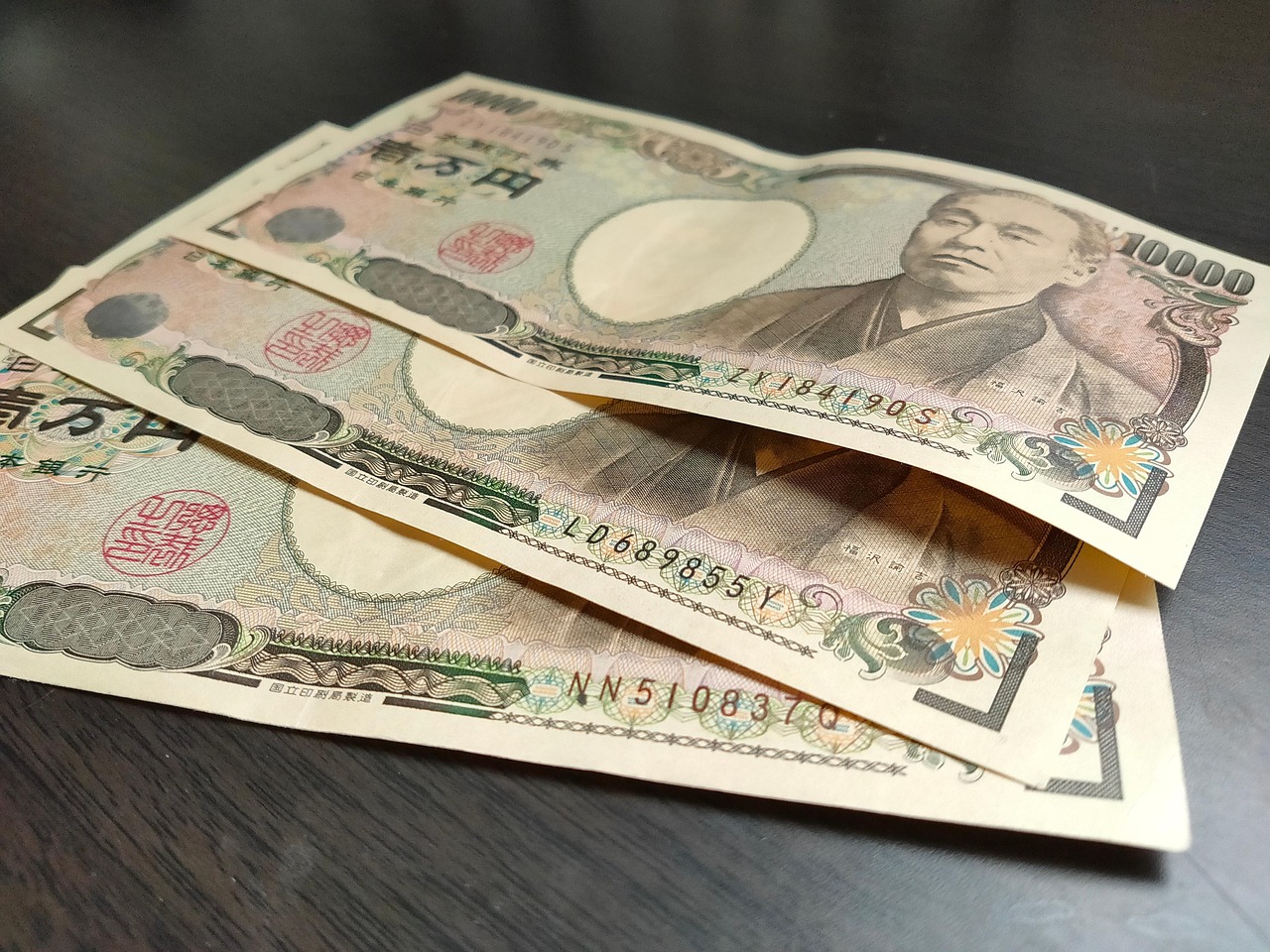
Japan’s financial authorities are maintaining uncertainty over potential currency intervention as the Japanese yen hovers near its weakest level in nearly four decades. Market participants are closely watching government officials for clues on whether Tokyo will step into foreign exchange markets to support the struggling currency.
Finance Minister Satsuki Katayama reiterated on Monday that the government would “respond appropriately” to currency movements whenever necessary, a standard phrase often used by Japanese officials regardless of the yen’s level. Her comments were notably less aggressive than previous warnings, when authorities signaled a greater willingness to intervene directly in the foreign exchange market.
The USD/JPY exchange rate traded around 161.7, approaching the two-year low reached last week. A move above 161.96 would push the yen to its weakest level since 1986, intensifying concerns about further currency depreciation.
Investors are also awaiting comments from Atsushi Mimura, Japan’s top currency diplomat, whose statements are widely viewed as stronger policy signals. Mimura has remained publicly silent since early May, shortly after Japan conducted its first major yen-buying intervention in nearly two years. Before that action, he warned that the time for “decisive action” was approaching, signaling authorities’ readiness to defend the currency.
Analysts believe Japan may be adjusting its communication strategy to make future interventions more effective. Previous warnings gave speculators time to reduce bearish yen positions, limiting the impact of government action. By withholding stronger signals, officials may be attempting to catch markets off guard.
According to Commodity Futures Trading Commission data, speculative net short positions on the yen rose to 150,132 contracts, the highest level since July 2024. Analysts say elevated bearish positioning could increase the effectiveness of any surprise intervention.
The weak yen continues to drive up import costs and inflationary pressures in Japan. Rising energy prices linked to Middle East tensions have further complicated the outlook. Meanwhile, Bank of Japan Deputy Governor Ryozo Himino warned that inflation could exceed the central bank’s 2% target if policymakers delay interest rate increases, adding another layer of pressure on monetary authorities.
With the yen under sustained pressure and intervention risks mounting, traders remain highly alert for any signs of action from Japanese officials.







