


 Bessent Presses Japan on Fiscal Policy as Yen Struggles
  Yen Sinks as BOJ Rate Hike Fails to Impress Markets
  Mexico Pushes for US Trade Deal Before Midterms
  Bessent, He Lifeng to Discuss AI Security and Trade in New York
  Wall Street Mixed as Treasury Yields Rise After Fed Hike
  US Stock Futures Dip After Wall Street Rally
  France Debt-to-GDP Ratio Seen Hitting Record 119.3% in 2026
  Venezuela Nears Deal to Move $4 Billion in Gold to New York Fed
  Asian Stocks Rise as Oil Falls, BOJ Rate Decision in Focus
  Strait of Hormuz Oil Shipments Hit Six-Month High as U.S. Clears Mines
  Canada Eyes India Trade Deal by Year-End
  Europe Jet Fuel Deficit Drives South Korean Imports to Four-Year High
  US-China Talks Target AI, Tariffs Ahead of Trump-Xi Summit
  Gold Prices Hold Steady Ahead of Trump-Xi Summit, Middle East Risks


 Add as a preferred source on Google
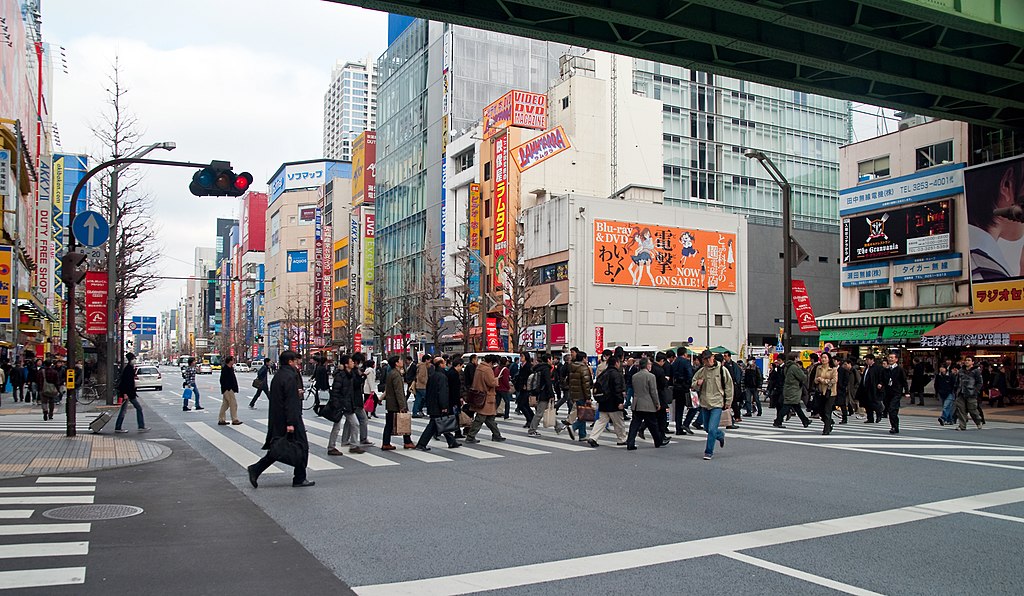
Japan is considering a temporary reduction in its food sales tax as part of broader efforts to support households struggling with rising living costs. According to a report by the Mainichi newspaper, the government is examining a two-year cut to the current 8% consumption tax on food products, with the measure expected to begin in April 2027.
The report, which cited an unnamed government official, said the proposed timeline would allow Prime Minister Sanae Takaichi’s administration to highlight the tax relief initiative ahead of municipal elections scheduled for April 2027. The move is seen as a key component of the government’s strategy to address inflation concerns and improve consumer confidence.
While the original proposal called for eliminating the food tax entirely, authorities are reportedly considering lowering the rate to 1% instead of 0%. The adjustment is intended to avoid the extensive system modifications that retailers would need to make to cash registers and accounting software to accommodate a zero-tax rate. By maintaining a minimal tax level, the government could implement the policy more efficiently and reduce administrative burdens on businesses.
Economy Minister Minoru Kiuchi declined to comment on the report during a press briefing, offering no details regarding ongoing discussions.
Japan currently applies an 8% consumption tax to food items and a 10% tax rate to most other goods and services. Revenue from these taxes plays a significant role in funding social welfare programs, particularly as the country faces growing costs associated with its rapidly aging population.
Prime Minister Takaichi first announced plans in January to suspend the food tax for two years, arguing that temporary relief was necessary to help families cope with persistent inflation and higher living expenses. Specific details of the proposal are expected to be finalized through negotiations involving both ruling and opposition parties.
The announcement of a potential food tax reduction previously sparked concern among investors, contributing to a rise in Japanese government bond yields. Market participants viewed the proposal as a potential challenge to Japan’s fiscal health, given the country’s already substantial public debt and increasing social welfare obligations.







