


 Japan Yen Slides Past 163 as Middle East Tensions Lift US Dollar, Oil Prices
  US Dollar Pauses Rally as Middle East Tensions Support Safe-Haven Demand
  Asian Stocks Rise as Oil Retreats on Iran Ceasefire Hopes Ahead of Key AI Earnings
  ASEAN Ministers Warn Middle East Conflict Threatens Regional Stability and Energy Security
  Gold Price Holds Above $4,130 as Fed Rate Outlook and Middle East Tensions Support Safe-Haven Demand
  Australia Jobs Surge in June Strengthens Case for More RBA Rate Hikes
  Oil Prices Rise as Houthi Attacks on Saudi Tankers Heighten Middle East Supply Fears
  Asian Currencies Hold Steady as Middle East Tensions Boost US Dollar, Oil Concerns
  Gold Price Jumps Near 2% Above $4,080 as Middle East Tensions Lift Safe-Haven Demand
  Nasdaq Drops as AI Earnings, Oil Surge and Middle East Tensions Weigh on Wall Street
  US Stock Futures Steady Ahead of Tesla, Alphabet Earnings as Iran Conflict Keeps Markets on Edge
  Gold Price Climbs Above $4,130 as Middle East Tensions Boost Safe-Haven Demand
  European Stocks Slip as Earnings, UK Inflation and ECB Decision Keep Investors on Edge
  Trump Announces 100% Tariff on Generic Drug Imports Starting in 2028
  Gold Climbs Above $4,000 as Middle East Tensions and Fed Outlook Drive Safe-Haven Demand


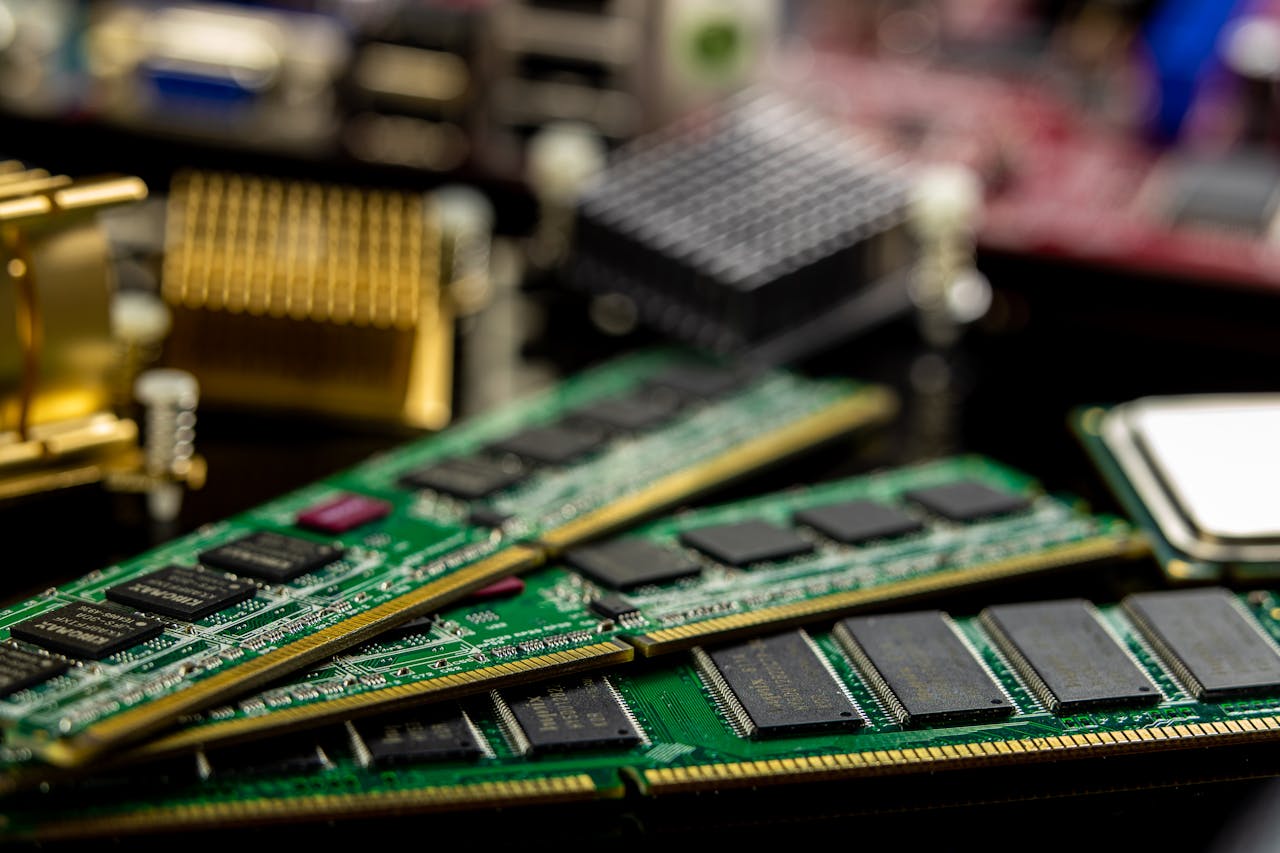
South Korea’s benchmark KOSPI index briefly triggered a trading curb on Monday after tumbling more than 5%, as heavy selling in major technology and semiconductor stocks rattled Asian markets. The sharp decline reflected growing investor concerns over AI-related valuations, chip earnings, and whether massive spending on artificial intelligence infrastructure will deliver sustainable returns.
The KOSPI fell as much as 5.2% during trading, prompting a temporary market halt designed to curb excessive volatility. The selloff was led by the country’s largest technology companies, with SK Hynix plunging nearly 10% to 1,964,000 won. Samsung Electronics dropped more than 6% after its recent earnings report disappointed investors, reinforcing doubts about whether memory chip profits can keep pace with the industry’s aggressive AI investment cycle. LG Innotek also declined more than 8%, adding to pressure on the broader technology sector.
The weakness quickly spread across Asia’s semiconductor supply chain. In Japan, Kioxia Holdings fell nearly 9%, while Murata Manufacturing lost almost 6% and TDK Corp slipped around 5%. In contrast, Taiwan Semiconductor Manufacturing Co. (TSMC) and Foxconn Technology remained relatively stable, trading little changed despite the broader market turmoil.
The latest decline extends a period of heightened volatility for Asian semiconductor and AI-related stocks following Samsung Electronics’ preliminary earnings announcement. Investors have become increasingly cautious after months of strong gains, questioning whether the billions of dollars being invested by major cloud providers and technology companies into AI infrastructure will ultimately translate into stronger earnings and long-term profitability.
The market reaction highlights growing concerns that AI-driven optimism may have outpaced near-term financial performance, particularly for semiconductor companies facing rising capital expenditures. As investors reassess earnings expectations and valuation levels, technology stocks across Asia could remain under pressure, with semiconductor shares likely to stay at the center of market attention in the coming weeks.







