


 Trump Advisers Warn Iran War Could Last Until 2029
  Kim Jong Un Praises North Korean Troops Fighting Overseas
  Trump Says He Has No Regrets Over Iran War
  Taiwan Flags Russian Film Screening as China-Japan Influence Push
  Trump Open to Chinese Automakers Building Cars in US
  CIA Chief Ratcliffe May Take Bigger Role in Ukraine Peace Talks
  White House Weighs Refined Copper Tariffs as Cost Concerns Grow
  Russian Drone Strikes Hit Ukraine-Moldova Border, Kyiv and Sumy
  Saudi Arabia Shuts East-West Oil Pipeline After Drone Attack
  Trump Says No Regrets Over Iran War Despite Midterm Risks
  Trump Expects Iran War to End After U.S. Midterms
  Chinese Satellite Images Linked to Iran Strike on US Base
  Gulf Ministers to Meet Iran in Oman Over Hormuz Shipping Deal
  Israel Orders UK East Jerusalem Consulate Closure
  Trump Rejects Saudi Request for Houthi Strikes
  Russian Drone Strike on Sumy Shopping Centre Kills Two


 Add as a preferred source on Google
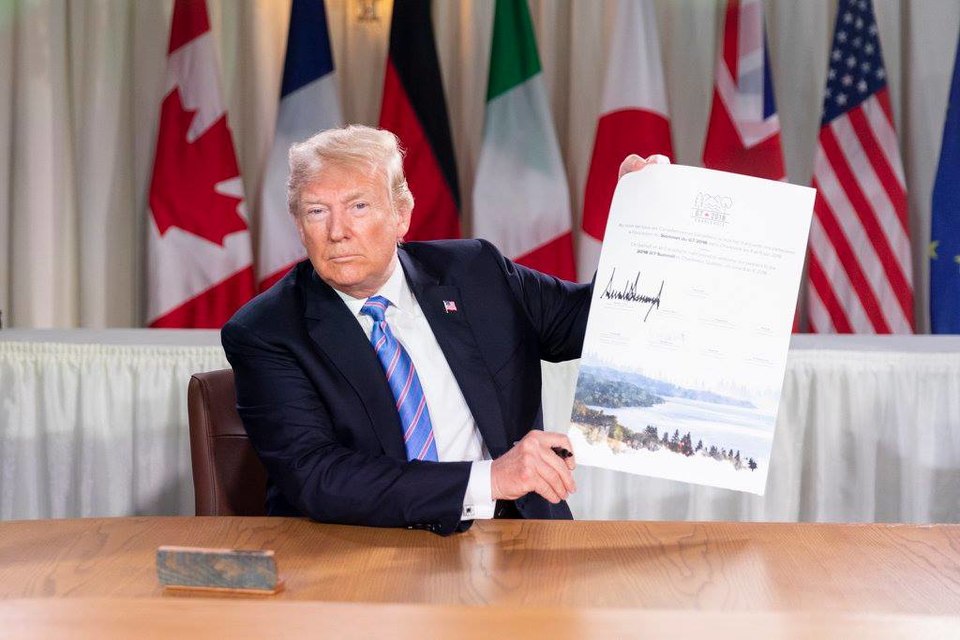
U.S. President Donald Trump said on Sunday that he would oppose any renewal of the Foreign Intelligence Surveillance Act (FISA) unless lawmakers include provisions from the SAVE Act, a measure aimed at strengthening voter eligibility requirements in federal elections.
Trump's position links the future of the surveillance law to election integrity reforms, particularly a requirement that voters provide proof of U.S. citizenship before registering to vote in federal elections. The proposal has become a key issue among Republicans who argue that stronger safeguards are needed to prevent non-citizens from participating in U.S. elections.
The Foreign Intelligence Surveillance Act, which governs certain intelligence-gathering activities related to national security, has long been a subject of debate in Washington. While supporters argue that FISA is an essential tool for protecting the United States from foreign threats, critics have raised concerns about government surveillance powers and potential abuses.
Trump emphasized that he would not support extending the law unless it includes the SAVE Act's citizenship verification requirements. The former president has consistently highlighted election security as a major priority and has repeatedly called for stricter voting regulations across the country.
The SAVE Act, short for the Safeguard American Voter Eligibility Act, would require individuals to present documentation proving U.S. citizenship when registering to vote. Supporters say the measure would help ensure that only eligible citizens participate in elections, while opponents argue that existing laws already prohibit non-citizens from voting and that additional requirements could create barriers for some eligible voters.
The debate over FISA renewal and election integrity is expected to remain a major topic in Congress as lawmakers consider the future of surveillance authorities and voting regulations. Trump's stance adds further pressure to ongoing negotiations, potentially complicating efforts to secure bipartisan support for renewing the surveillance law.
As discussions continue, both national security concerns and election-related policies are likely to play a significant role in shaping the legislative outcome.







