


 South Korea’s KOSPI Triggers Trading Curb as AI Chip Stock Selloff Deepens
  Denmark Central Bank Intervenes to Support Krone Peg Against Euro
  Japan Signals Preference for Low Interest Rates as BOJ Policy Debate Intensifies
  Dollar Rises as Middle East Conflict Fuels Inflation and Rate Hike Fears
  US-Iran Strikes Escalate as Strait of Hormuz Crisis Pushes Oil Prices Higher
  Asian Stocks Rally as Cooling U.S. Inflation Boosts Fed Rate Cut Hopes
  Oil Prices Climb as Trump Escalates Iran Pressure, Strait of Hormuz Risks Grow
  China Keeps Loan Prime Rates Unchanged for 13th Straight Month as Policymakers Prioritize Credit Demand Recovery
  Dollar Holds Steady Ahead of U.S. CPI as Oil Surge, Middle East Tensions Keep Markets on Edge
  South Korea’s KOSPI Enters Bear Market Despite Remaining 2026’s Best-Performing Major Stock Index
  Fed Reaffirms 2% Inflation Goal, Vows Forceful Action to Anchor Price Expectations
  Gold Price Holds Near $4,000 as Middle East Tensions and Fed Rate Hike Bets Grow
  BOJ Signals More Rate Hikes as Inflation Risks Rise Amid Energy Price Pressures
  European Regulators Clash With U.S. Treasury Over Private Credit Transparency
  Central Banks Eye Gold, Reduce Dollar Exposure as AI Adoption Accelerates: OMFIF Survey
  Oil Prices Surge as U.S.-Iran Conflict Escalates and Strait of Hormuz Risks Grow


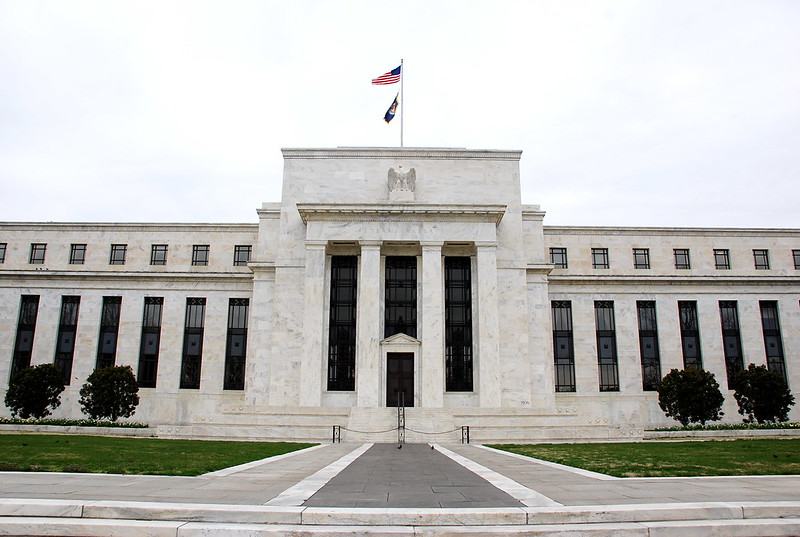

The Federal Reserve is raising interest rates for the third time this year, on June 15, 2022, as it seeks to counter inflation running at the fastest pace in over 40 years. The big question is how much it will lift rates. Before the latest consumer prices report on June 10, most market watchers and economists expected a 0.5-percentage-point hike. But now, more are anticipating a 0.75-point increase – which would be the largest in nearly 30 years. The risk is that higher rates will push the economy into a recession, a fear aptly expressed by the recent plunge in the S&P 500 stock index, which is down over 20% from its peak in January, making it a “bear market.”
What does this all mean? We asked Brian Blank, a finance scholar who studies how businesses adapt and handle economic downturns, to explain what the Fed is trying to do, whether it can succeed and what it means for you.
1. What is the Fed doing and why?
The Federal Open Market Committee, the Fed’s policymaking arm, is currently pondering how much to raise its benchmark interest rate. The stakes for the U.S. economy, consumers and businesses are high.
In recent weeks, Fed Chair Jerome Powell has signaled that the U.S. central bank would likely increase the rate by 0.5 percentage point to a range of 1.25% to 1.5%. But markets and Wall Street economists are now anticipating a larger 0.75-point hike because the May consumer price data suggest inflation has been unexpectedly stubborn. Some Wall Street analysts suggest a 1-percentage-point hike is possible.
Since the latest consumer price index data came out on June 10, the prospect of a faster pace of rate hikes has led to financial markets plunging 5%. Investors worry the Fed may slow the economy too much in its fight to reduce inflation, which if left unchecked also poses serious problems for consumers and companies. A recent poll found that inflation is the biggest problem Americans believe the U.S. is facing right now.
2. What is the Fed trying to achieve?
The Federal Reserve has a dual mandate to both maximize employment while keeping prices stable.
Often policymakers must prioritize one or the other. When the economy is weak, inflation is usually subdued and the Fed can focus on keeping rates down to stimulate investment and boost employment. When the economy is strong, unemployment is typically quite low, and that allows the Fed to focus on controlling inflation.
To do this, the Fed sets short-term interest rates, which in turn help it influence long-term rates. For example, when the Fed lifts its target short-term rate, that increases borrowing costs for banks, which in turn pass those higher costs on to consumers and businesses in the form of higher rates on long-term loans for houses and cars.
At the moment, the economy is quite strong, unemployment is low, and the Fed is able to focus primarily on reducing inflation. The problem is, inflation is so high, at an annualized rate of 8.6%, that bringing it down may require the highest interest rates in decades, which could weaken the economy substantially.
And so the Fed is trying execute a so-called soft landing.
3. What’s a ‘soft landing’ and is it likely?
A soft landing refers to the way that the Fed is attempting to slow inflation – and therefore economic growth – without causing a recession.
In order to stabilize prices while not hurting employment, the Fed is expected to increase interest rates rapidly in the coming months – and it currently forecasts rates to be at least 1 percentage point higher by 2023. It has already lifted its benchmark rate twice this year by a total of 0.75 percentage point.
Historically, when the Fed has had to raise rates quickly, economic downturns have been difficult to avoid. Can it manage a soft landing this time? Powell has insisted that its policy tools have become more effective since its last inflation fight in the 1980s, making it possible this time to stick the landing. Many economists and other observers remain uncertain. And a recent survey of economists notes that many anticipate a recession beginning next year.
That said, the economy is still relatively strong, and I’d say the the odds of a recession beginning next year are still probably close to a coin flip.
4. Is there any way to tell what the Fed might do next?
Each time the Federal Open Market Committee meets, it seeks to communicate what it plans to do in the future to help financial markets know what to expect so they aren’t taken by surprise.
One piece of guidance about the future that the committee provides is a series of dots, with each point representing a particular member’s expectation for interest rates at different points in time. This “dot plot” has previously indicated that the Fed will raise interest rates to 2% this year and 3% soon.
Given the inflation news since the last meeting, investors are now forecasting an even faster pace of rate hikes and expect the target rate to be over 3% by 2023. Long-term interest rates, such as U.S. Treasury yields and mortgage rates, already reflect these rapid changes.
And so investors and economists will be watching to see how the Fed’s dot plot changes after it announces its rates decision on June 15, which will determine how quickly committee members expect to lift interest rates in the coming months.
5. What does this mean for consumers and the economy?
Interest rates represent the cost of borrowing, so when the Fed raises the target rate, money becomes more expensive to borrow.
First, banks pay more to borrow money, but then they charge individuals and businesses more interest as well, which is why mortgage rates rise accordingly. This is one reason mortgage payments have been rising so rapidly in 2022, even as housing markets and prices start to slow down.
When interest rates are higher, fewer people can afford homes and fewer businesses can afford to invest in a new factory and hire more workers. As a result, higher interest rates can slow down the growth rate of the economy overall, while also curbing inflation.
And this isn’t an issue affecting just Americans. Higher interest rates in the U.S. can have similar impacts on the global economy, whether by driving up their borrowing costs or increasing the value of the dollar, which makes it more expensive to purchase U.S. goods.
But what it ultimately means for consumers and everyone else will depend on whether the pace of inflation slows as much and as quickly as the Fed has been forecasting.







