


 Dollar Rises as Middle East Conflict Fuels Inflation and Rate Hike Fears
  Australia Consumer Sentiment Rises in July as Fuel Price Relief Lifts Confidence
  Australian Business Conditions Hold Steady as Easing Cost Pressures Face New Oil Price Risks
  Gold Price Holds Near $4,000 as Middle East Tensions and Fed Rate Hike Bets Grow
  Japanese Yen Holds Steady as Intervention Hopes Grow Ahead of U.S. CPI Data
  South Korea’s KOSPI Enters Bear Market Despite Remaining 2026’s Best-Performing Major Stock Index
  South Korea’s KOSPI Triggers Trading Curb as AI Chip Stock Selloff Deepens
  Gold Price Holds Near Record High as Cooling U.S. Inflation Offsets Fed Caution
  Dollar Slides as Softer US Inflation Dims Fed Rate Hike Expectations
  Asian Currencies Weaken as Stronger Dollar Weighs, Yen Supported by GPIF Repatriation Hopes
  Iraq PM Visits Washington as U.S. Oil, Gas Deals Take Center Stage
  Asian Stocks Slide as Oil Surge, U.S.-Iran Tensions and Fed Rate Bets Weigh on Markets
  Singapore GDP Grows 5.7% in Q2 2026 as AI-Driven Manufacturing Boosts Economy
  China Trade Surplus Hits $125.6 Billion as June Exports, Imports Smash Forecasts
  China Home Prices Fall Again in June Despite Slower Pace of Decline
  Dollar Holds Steady Ahead of U.S. CPI as Oil Surge, Middle East Tensions Keep Markets on Edge
  Oil Prices Surge as U.S.-Iran Conflict Escalates and Strait of Hormuz Risks Grow


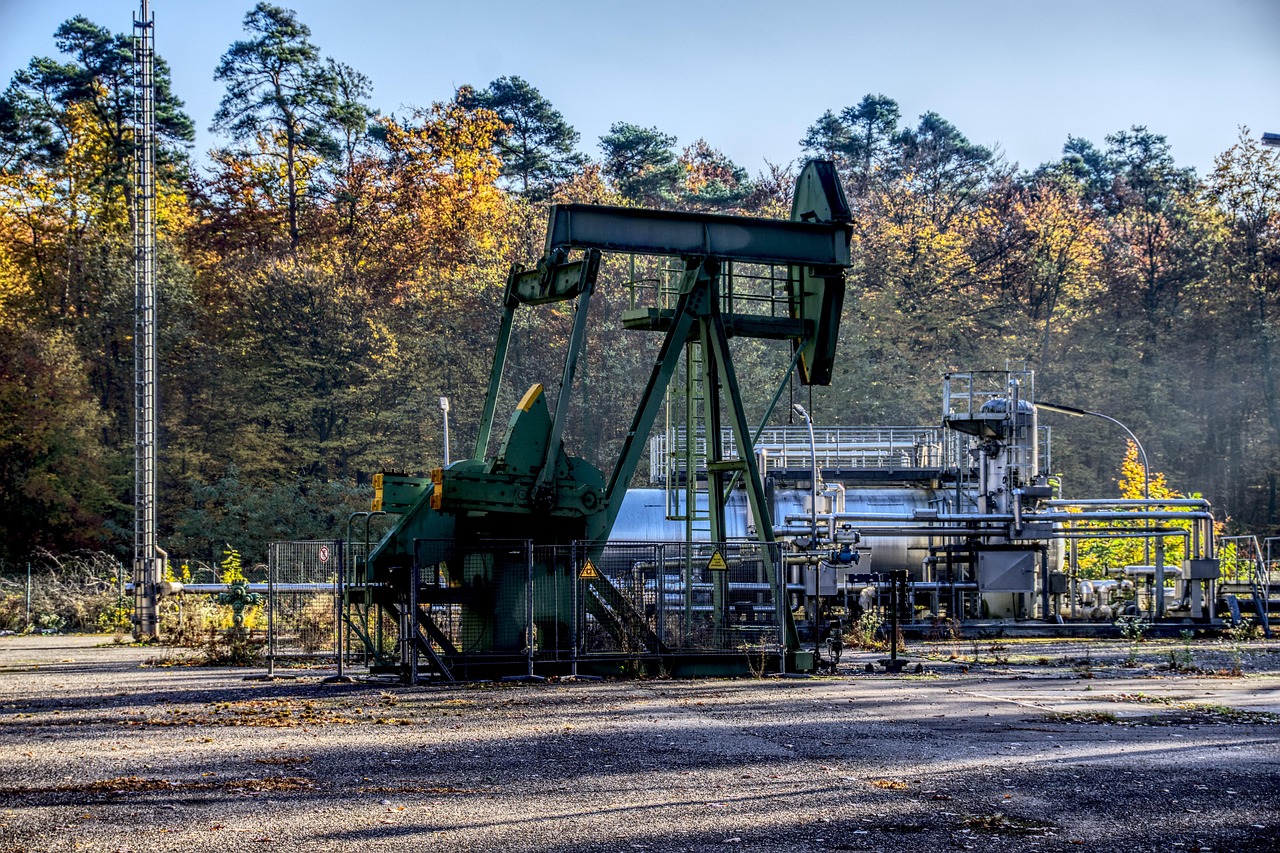
Oil prices extended gains for a third consecutive session during Asian trading on Wednesday as geopolitical tensions intensified after U.S. President Donald Trump threatened additional military action against Iran and the United States resumed its blockade on Iranian shipping through the Strait of Hormuz.
Brent crude futures for September delivery rose 1.7% to $86.15 per barrel, while West Texas Intermediate (WTI) crude futures gained 1.3% to $80.34 per barrel. Both benchmarks traded near their highest levels in roughly a month after rallying almost 10% earlier this week amid growing concerns over global oil supply.
Investor sentiment remained focused on developments in the Middle East after Trump said in a Fox News interview that U.S. military operations would intensify unless Tehran returned to the negotiating table. He warned that Washington could target Iran’s power plants and bridges next week if diplomatic progress is not made, while adding that military strikes on Iranian coastal and defense infrastructure would continue. Trump also said U.S. officials remain in contact with Iranian representatives, insisting Iran would eventually have to negotiate.
The latest increase in crude prices also followed Washington’s decision to reinstate its blockade on Iranian shipping, raising fresh concerns about disruptions to global energy supplies. At the same time, Trump abandoned his earlier proposal to impose a 20% fee on commercial vessels passing through the Strait of Hormuz after key U.S. allies in the Gulf reportedly urged him to drop the plan.
The Strait of Hormuz remains one of the world’s most important energy shipping routes, and recent attacks involving commercial vessels and Gulf tankers have already slowed maritime traffic, fueling fears of tighter oil supplies and higher transportation costs.
Meanwhile, market participants are monitoring U.S. inventory data for additional price direction. The American Petroleum Institute reported that U.S. crude oil stockpiles fell by 56,000 barrels last week, well below analysts’ expectations for a draw of 2.7 million barrels. Investors are now awaiting official data from the U.S. Energy Information Administration later Wednesday to determine whether another decline in inventories will provide further support for oil prices.







