


 Trump Signs Executive Order Threatening 25% Tariffs on Countries Trading With Iran
  Nicaragua Ends Visa-Free Entry for Cubans, Disrupting Key Migration Route to the U.S.
  China Overturns Death Sentence of Canadian Robert Schellenberg, Signaling Thaw in Canada-China Relations
  U.S. Lawmakers to Review Unredacted Jeffrey Epstein DOJ Files Starting Monday
  Trump’s Inflation Claims Clash With Voters’ Cost-of-Living Reality
  Sydney Braces for Pro-Palestine Protests During Israeli President Isaac Herzog’s Visit
  Trump Allows Commercial Fishing in Protected New England Waters
  Jack Lang Resigns as Head of Arab World Institute Amid Epstein Controversy
  Netanyahu to Meet Trump in Washington as Iran Nuclear Talks Intensify
  Ohio Man Indicted for Alleged Threat Against Vice President JD Vance, Faces Additional Federal Charges
  Anutin’s Bhumjaithai Party Wins Thai Election, Signals Shift Toward Political Stability
  Bangladesh Election 2026: A Turning Point After Years of Political Suppression
  India–U.S. Interim Trade Pact Cuts Auto Tariffs but Leaves Tesla Out
  Japan Election 2026: Sanae Takaichi Poised for Landslide Win Despite Record Snowfall
  Japan’s Prime Minister Sanae Takaichi Secures Historic Election Win, Shaking Markets and Regional Politics
  US Pushes Ukraine-Russia Peace Talks Before Summer Amid Escalating Attacks
  Antonio José Seguro Poised for Landslide Win in Portugal Presidential Runoff


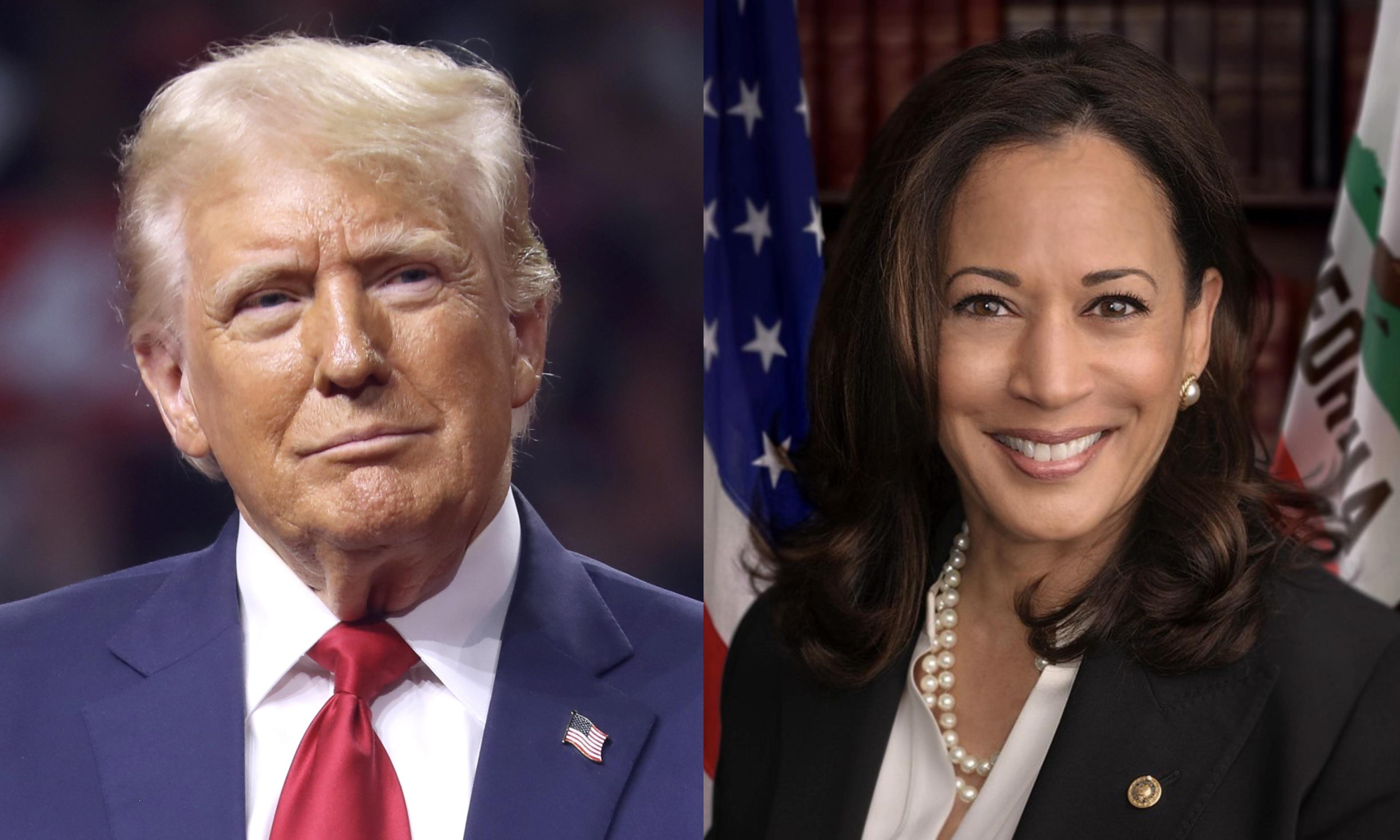
The U.S. Supreme Court has ruled in a 6-3 decision to uphold Virginia’s decision to remove approximately 1,600 suspected non-citizens from its voter rolls, a decision that has fueled nationwide debate on voter rights and election integrity. The court’s ruling gives Virginia the go-ahead to purge these individuals from its registered voter list, with supporters citing the need for election security and opponents arguing that it risks disenfranchising eligible voters.
The court’s conservative majority sided with Virginia’s policy, stating that maintaining accurate voter rolls is essential to preserving the integrity of elections. “States must have the authority to verify and ensure that only eligible citizens vote,” the court’s majority opinion stated. The ruling comes amid a broader national conversation about voting rights and state powers to regulate election processes.
Justice Samuel Alito, writing for the majority, emphasized that the decision to remove suspected non-citizens was based on “reasonable and lawful measures.” According to Alito, allowing states to monitor and maintain their voter registration lists is not only constitutional but also necessary to uphold democratic processes. “It is well within a state’s rights to prevent ineligible individuals from participating in elections,” he wrote.
The ruling has drawn mixed reactions across the political spectrum. Supporters argue that removing individuals who are not legally permitted to vote is a crucial step in ensuring election integrity. “Allowing non-citizens to remain on the voter rolls undermines the legitimacy of our elections,” said Virginia Attorney General Jason Miyares, who has been an advocate for stricter election security measures. “This decision upholds the importance of protecting the rights of legitimate voters.”
However, critics of the ruling, including civil rights organizations, argue that the policy risks sweeping up eligible citizens mistakenly identified as non-citizens, effectively disenfranchising them. Justice Sonia Sotomayor, one of the three dissenting justices, voiced concerns in her dissenting opinion, arguing that the ruling “opens the door for eligible voters to be wrongfully purged based on bureaucratic errors.” She further stated that such a decision could disproportionately impact vulnerable communities, potentially affecting citizens who may lack the resources to contest their removal.
Voting rights advocates fear that this ruling could set a precedent for other states to adopt similarly aggressive measures in purging their voter rolls. “This decision could signal a new wave of voter roll purges, leading to the disenfranchisement of eligible voters across the country,” said Lawrence Jacobs, a policy analyst with the Voting Rights Defense Project.
In Virginia, election officials plan to begin removing names from the voter rolls based on the Supreme Court’s decision, and those identified as non-citizens will receive notices informing them of their removal. Individuals who believe they have been incorrectly purged will have an opportunity to appeal and provide proof of citizenship to regain their voting rights.
As the nation moves closer to the next election cycle, the court’s ruling has intensified the debate over voter rights, access, and security. For now, Virginia’s decision to purge its voter rolls reflects a larger tension in American politics, as states grapple with balancing election integrity and accessibility.













