


 Iranian Missile Strike on UAE Oil Tankers Kills Indian Crew Member in Strait of Hormuz
  Iran's Supreme Leader Vows Revenge as Trump Threatens Massive U.S. Military Response
  Trump Administration Hands Over Key Evidence in Minnesota Immigration Shooting Investigations
  EU Ministers Split as Support Grows for Ban on Trade With Israeli West Bank Settlements
  US Egg Producers Settle Price Manipulation Probe, Agree to Pay $3.3 Million and Donate 53 Million Eggs
  Minnesota Wildfires Spread as Governor Tim Walz Deploys National Guard
  Ann Widdecombe Murder: Police Arrest Second Suspect, Rule Out Terrorism Motive
  DOJ Subpoenas New York Times Journalists Over Air Force One Leak Report
  Apple Sues OpenAI, Former Employees Over Alleged Trade Secret Theft
  Trump Administration Bars U.S. Travelers From Congo Flights Amid Ebola Outbreak
  Trump to Deliver National Address on Declassified 2020 Election Intelligence
  Judge Orders $5.8 Million Payment to E. Jean Carroll After Trump Loses Appeal Bid
  Iraq PM Visits Washington as U.S. Oil, Gas Deals Take Center Stage
  Iran Says It Closes Strait of Hormuz After Warning Shot at Vessel
  US Supreme Court Strikes Down Hawaii Gun Carry Law on Private Property
  Texas Man Charged After Fatal Tesla Full Self-Driving Crash in Katy


China’s top court has overturned the death sentence of Canadian national Robert Schellenberg, a major development in a long-running drug smuggling case that has strained diplomatic relations between Canada and China for years. The decision, confirmed by Schellenberg’s lawyer on Monday, is being viewed as a potential sign of improving ties between Ottawa and Beijing.
Robert Schellenberg was arrested in China in 2014 on suspected drug trafficking charges. In 2018, he was convicted and sentenced to 15 years in prison. However, following a retrial in January 2019, the sentence was dramatically escalated to death. The retrial came just one month after the arrest of Huawei executive Meng Wanzhou in Vancouver on a U.S. extradition request, fueling widespread concerns that the case had become entangled in geopolitical tensions.
According to Beijing-based lawyer Zhang Dongshuo, China’s Supreme People’s Court ruled on Friday to overturn the death sentence imposed by a lower court. The case has now been sent back to the Liaoning Provincial High People’s Court for retrial. While the ruling removes the immediate threat of execution, Zhang cautioned that the chances of Schellenberg being fully acquitted remain low due to the seriousness of the charges.
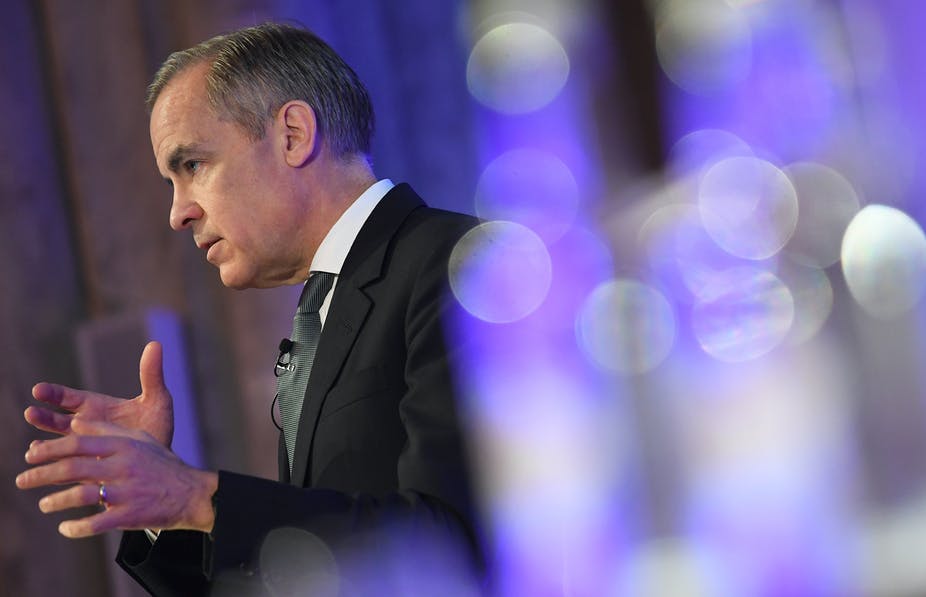
The decision comes less than a month after Canadian Prime Minister Mark Carney completed a four-day visit to China, during which he emphasized improving bilateral relations after years of friction under former prime minister Justin Trudeau. Zhang suggested the timing of the ruling is likely connected to the diplomatic progress made during Carney’s visit.
Canada’s foreign ministry acknowledged awareness of the Supreme Court’s decision and stated it would continue providing consular assistance to Schellenberg and his family. The ministry did not comment further on the implications of the ruling.
Relations between the two countries deteriorated sharply after China detained two Canadians on espionage charges shortly after Meng Wanzhou’s arrest, an episode widely criticized as “hostage diplomacy.” The two Canadians were released in 2021, the same day Meng returned to China after the United States dropped its extradition request.
Tensions were further heightened by trade disputes, including Canada’s 2024 tariffs on Chinese electric vehicles and China’s retaliatory tariffs on Canadian agricultural products. Following Carney’s recent visit, both sides agreed to significantly reduce tariffs on electric vehicles and canola, marking a notable policy reversal.
Analysts say the Schellenberg ruling and renewed economic cooperation could reshape Canada-China relations, even as Ottawa maintains close alignment with Washington amid broader Sino-U.S. rivalry.







