


 Zhipu AI Raises HK$31.37 Billion in Discounted Share Sale to Accelerate AI Growth
  Apple Sues OpenAI, Former Employees Over Alleged Trade Secret Theft
  Nvidia Invests $500M in Firmus Technologies Ahead of Planned ASX IPO
  Morgan Stanley Says China’s Reusable Rocket Progress Poses Long-Term Challenge to SpaceX
  Samsung Q2 Profit Hits Record on AI Memory Boom as Shares Tumble
  EU to Propose New Rules Limiting Children's Access to Social Media
  SK Hynix Prices Record U.S. ADR Offering at $149 After $200 Billion Investor Demand
  Apple Tests China's CXMT Memory Chips as DRAM Maker Gains Global Market Share
  Yaskawa Electric Shares Slide as Weak Profit Overshadows Strong AI Demand
  Muji Owner Ryohin Keikaku Stock Soars After Raising Full-Year Earnings Forecast
  Bain Capital Exits Kioxia After AI-Fueled Valuation Surge
  Meta Says States Seek $1.4 Trillion in Penalties Over Teen Social Media Addiction Lawsuit
  SK Hynix Soars 13% in Nasdaq Debut After Record $26.5 Billion IPO
  SoftBank Corp Partners With Sierra to Expand AI Customer Support Across Japan
  DOJ Grand Jury Investigates UAW President Shawn Fain Ahead of Union Election
  Morgan Stanley Names Marks & Spencer Top European Retail Pick, Sees Strong Upside


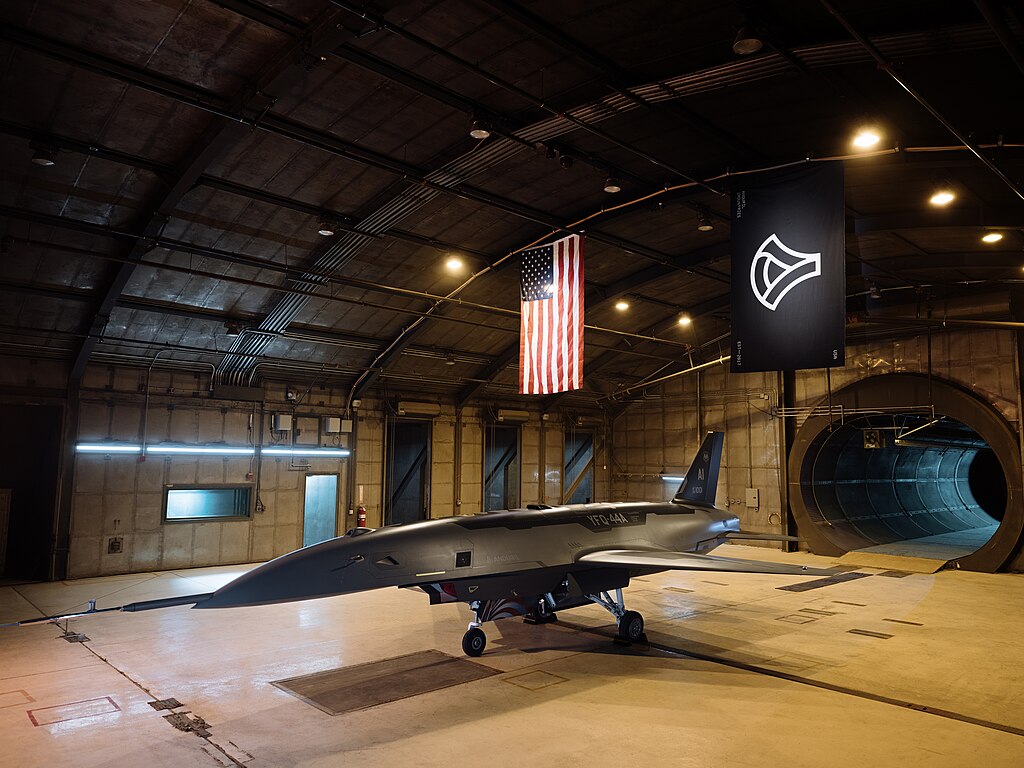
Anduril Industries has secured a landmark $20 billion firm-fixed-price contract with the U.S. Army, marking one of the most significant defense-tech awards in recent memory. The 10-year agreement, running through March 2036, tasks the private defense company with unifying commercial and military AI capabilities into a single, mission-ready ecosystem built around its proprietary Lattice software platform.
Lattice is an open-architecture AI operating system engineered to consolidate data streams from drones, sensors, and legacy military infrastructure into one unified operational picture. Under the contract, Anduril will integrate both current and future commercial solutions into this framework, with specific work locations and funding allocations determined on an order-by-order basis through the Army Contracting Command.
While Anduril remains privately held, institutional investors are increasingly focusing on what this contract means for Palantir Technologies (NASDAQ: PLTR). The two companies formalized a strategic AI consortium in late 2024, specifically designed to close the "edge-to-cloud" data gap in modern warfare. In this division of labor, Anduril's Lattice manages real-time tactical data at the battlefield edge, while Palantir's Artificial Intelligence Platform and Maven Smart System handle large-scale data modeling and command-level decision support.
Analysts describe the Anduril win as a strong positive read-through for Palantir, reinforcing the investment thesis that purpose-built defense AI platforms are becoming indispensable to U.S. military modernization. The contract effectively validates the broader "Silicon Valley Defense" model, where commercially developed AI solutions are being integrated into active military operations at scale.
As the Army begins deploying orders under the $20 billion umbrella, market attention will turn to the speed at which these technologies reach operational theaters, and how deeply Palantir's platforms are embedded within each deployment cycle, potentially expanding its defense revenue footprint well beyond current projections.







