


 Trump Administration Shakeup: Kash Patel, Daniel Driscoll, and Lori Chavez-DeRemer May Exit Cabinet
  Russia Unleashes Drone Barrage on Kharkiv, Injuring Child Among Victims
  Trump Expands Tariffs on Pharmaceuticals and Metals One Year After Liberation Day
  Trump Fires Attorney General Pam Bondi Over Epstein Files and Slow Prosecutions
  Trump's Iran War Speech Sparks Market Anxiety Over Extended Conflict
  Federal Judge Rules CBP Violated Warrantless Arrest Order During Sacramento Immigration Sweep
  Trump's White House Ballroom Gets Planning Approval Amid Legal Battle
  Iran Rejects U.S. Ceasefire Proposal Amid Ongoing Tensions
  U.S.-Iran War Escalates: Downed Fighter Jet, Stalled Ceasefire Talks, and Ground Invasion Fears
  First Western Ship Transits Strait of Hormuz Since Iran War Began
  UN Security Council to Vote on Strait of Hormuz Shipping Resolution Amid China Opposition
  Trump's FY2027 Budget: Major Defense Boost and Domestic Spending Cuts
  Army Chief of Staff Gen. Randy George Forced Into Immediate Retirement Amid U.S.-Iran War
  Trump Threatens Expanded Military Strikes on Iran, Targeting Bridges and Power Plants
  UN Confirms Sexual Exploitation Allegations Against Haiti Security Force Members
  Congo in Talks With Trump Administration to Accept Third-Country Deportees
  Australia's Social Media Ban for Under-16s Sparks Global Movement


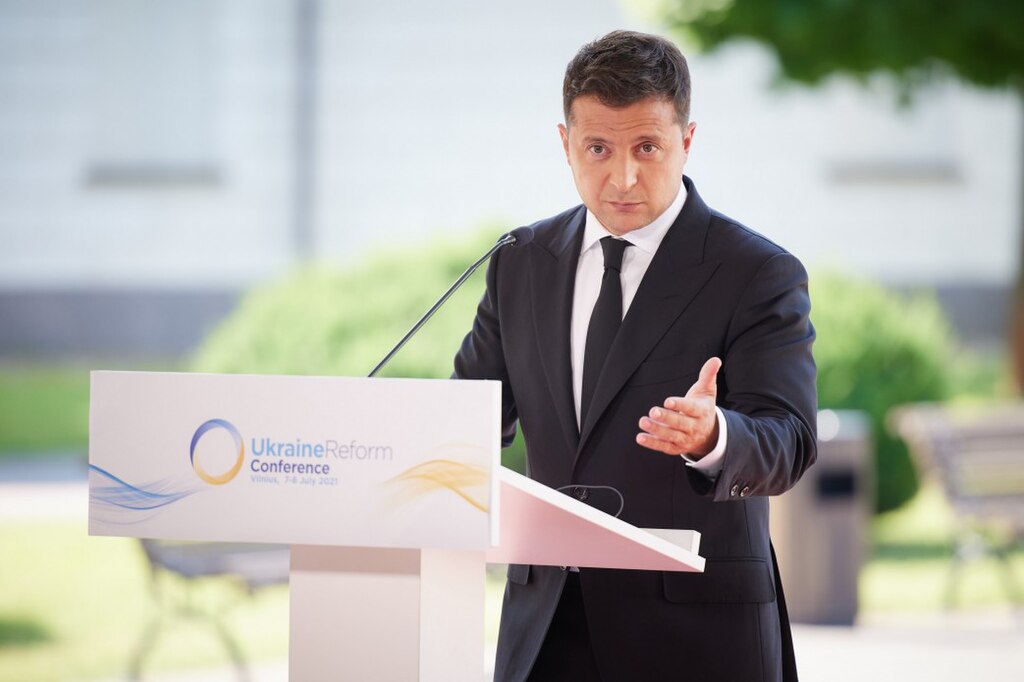
In a significant escalation of its ongoing war against Ukraine, Russia launched a massive daytime strike on Friday, killing at least six people across multiple regions, including Kyiv, Zhytomyr, Donetsk, and Kharkiv. Ukrainian President Volodymyr Zelenskyy condemned the attacks as an "Easter escalation," marking a dangerous shift in Russian military tactics designed to overwhelm Ukraine's air defense systems.
Unlike the nighttime drone and missile campaigns that have defined much of the conflict over the past four years, Russia has increasingly moved to large-scale daytime strikes in recent weeks. The strategy appears aimed at exploiting new flight routes and continuously upgraded drone technology to bypass Ukrainian defenses. The March 24 strike set a record for the number of weapons deployed in a single daytime attack, and Friday's assault continued that alarming trend.
Ukrainian air defenses intercepted 515 of 542 drones and 26 of 37 missiles launched since Thursday evening, according to the country's Air Force. However, the attacks that broke through caused widespread destruction. In Zhytomyr, 18 buildings were destroyed and more than 100 others sustained damage. A veterinary clinic in the Kyiv region was hit, killing approximately 20 animals. The eastern city of Kramatorsk, part of Ukraine's heavily fortified "fortress belt" in Donetsk, suffered a deadly bomb strike as well. In Kharkiv, officials described the recent wave as among the most intense bombardments since the war began.
Zelenskyy had proposed a ceasefire during the Easter holiday period, pledging that Ukraine would halt attacks on Russia's energy infrastructure in return. Moscow rejected the offer outright. Ukrainian Prime Minister Yulia Svyrydenko stated that Russia's daytime strikes are deliberately calculated to maximize civilian casualties, fuel widespread fear, and cripple critical infrastructure. Poland scrambled fighter jets as a precautionary measure, though its airspace was not breached.







