


 Bank of Japan Eyes Further Rate Hikes Amid Middle East Tensions and Inflation Pressures
  Asian Stocks Drop as Trump Signals Iran War Escalation
  Oil Prices Slide as Iran Tensions Ease and U.S. Crude Stockpiles Swell
  Trump Expands Tariffs on Pharmaceuticals and Metals One Year After Liberation Day
  Oil Prices Surge Over $5 as Trump Vows to Continue Iran Strikes
  Gulf War Ceasefire Hopes Weigh on Dollar Ahead of Trump Address
  UAE's Largest Natural Gas Facility Suspended After Attack-Triggered Fire
  Australia's Trade Surplus Surges in February on Gold Export Boom
  Gold Prices Drop as Trump Escalates Iran Threats, Oil Surges
  Trump's FY2027 Budget: Major Defense Boost and Domestic Spending Cuts
  Trump Threatens Escalation Against Iran, Warns of Infrastructure Strikes
  Iran's Stranglehold on the Strait of Hormuz: What It Means for Global Markets
  U.S. Warplane Shot Down by Iran Amid Escalating Middle East Conflict
  March 2025 Jobs Report: Strong Headline Numbers Hide Deeper Economic Concerns
  South Korea's Inflation Rises Modestly in March Amid Oil Price Pressures
  Japan's Services Sector Growth Slows in March Amid Rising Middle East Tensions
  Asian Currencies Weaken as Dollar Rebounds Amid Middle East Escalation


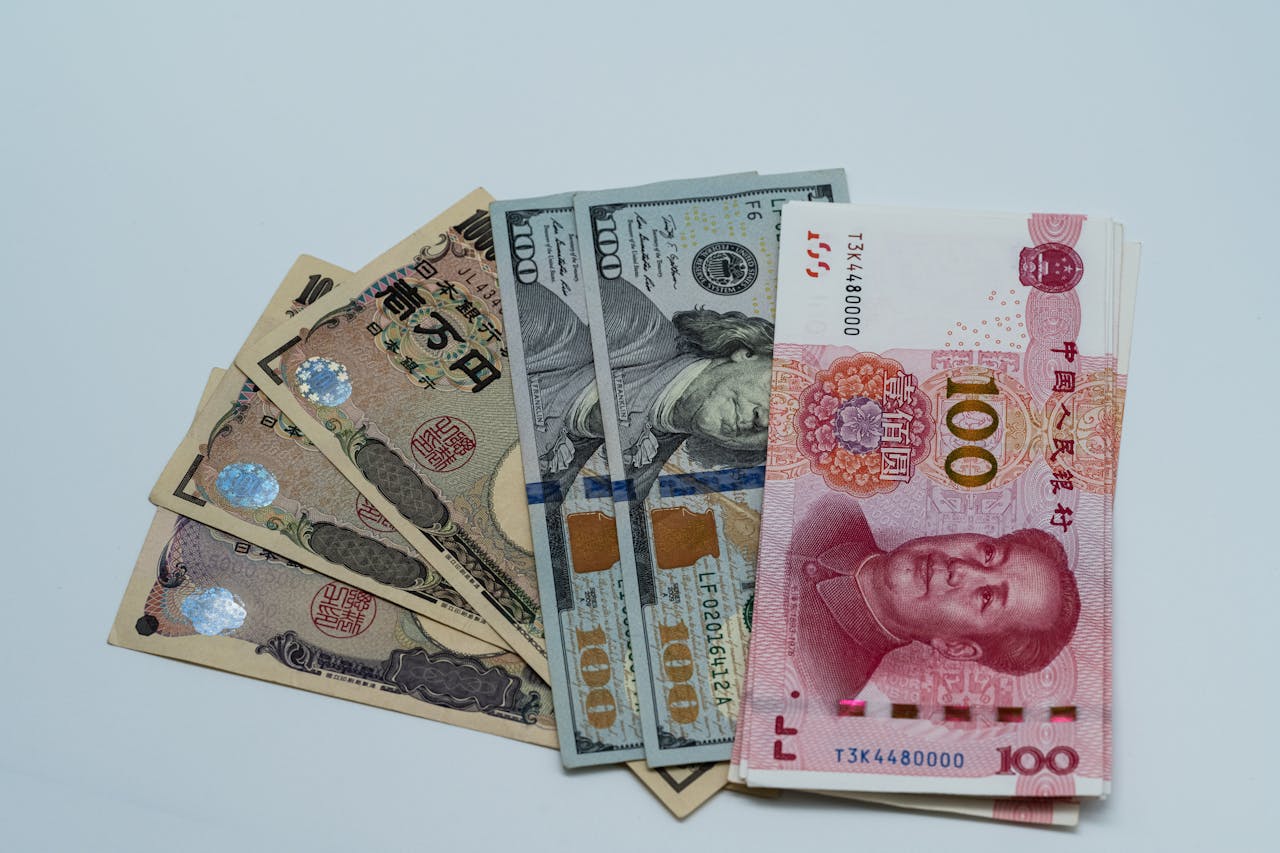
Asian currencies weakened on Thursday as a stronger US dollar and hawkish signals from Federal Reserve officials weighed on regional foreign exchange markets. The South Korean won and Indian rupee led losses, while the Australian dollar outperformed after resilient domestic employment data supported expectations of further rate hikes by the Reserve Bank of Australia (RBA).
The US Dollar Index rose 0.1% after surging roughly 0.6% in the previous session, reflecting renewed demand for the greenback. US Dollar Index futures also climbed 0.1% in early Asian trading. The dollar’s strength followed the release of Federal Reserve meeting minutes, which indicated policymakers remain cautious about inflation and are prepared to keep interest rates higher for longer. Some officials even signaled openness to additional rate hikes if price pressures persist.
The hawkish tone reinforced expectations that US monetary policy will remain restrictive in the near term, placing pressure on higher-beta Asian currencies. Investors are now closely watching the upcoming US Personal Consumption Expenditures (PCE) price index data, the Fed’s preferred inflation gauge, for further clues on the future interest rate path.
In currency markets, the USD/KRW pair jumped 0.6%, highlighting weakness in the South Korean won. The USD/INR gained 0.4%, while the offshore Chinese yuan saw USD/CNH edge up 0.2%. The Singapore dollar also slipped, with USD/SGD ticking 0.1% higher. The Japanese yen weakened as USD/JPY rose 0.2%. Trading volumes remained subdued across parts of Asia due to Lunar New Year holidays, contributing to thinner liquidity conditions.
In contrast, the Australian dollar gained ground, with AUD/USD rising 0.2% after data showed Australia’s unemployment rate held steady at 4.1% in January. Although employment growth slowed, the stable jobless rate signaled a tight labor market. This strengthened expectations that the RBA will maintain its hawkish stance following its recent rate increase, offering relative support to the Aussie dollar amid broader regional currency weakness.







