


 Gold Prices Drop as Trump Escalates Iran Threats, Oil Surges
  U.S. F-15E Shot Down Over Iran: One Crew Member Recovered Amid Escalating Conflict
  Trump Administration Sues Three States Over Prediction Market Regulations
  Australia's Trade Surplus Surges in February on Gold Export Boom
  China's Services Sector Maintains Growth Streak Despite March Slowdown
  Trump Threatens Expanded Military Strikes on Iran, Targeting Bridges and Power Plants
  Cuba Announces Release of Over 2,000 Prisoners in Second Amnesty of 2025
  Iran Rejects U.S. Ceasefire Proposal Amid Ongoing Tensions
  Iran-U.S. Military Tensions Escalate as Tehran Fortifies Key Energy Infrastructure
  U.S.-Iran War Escalates: Downed Fighter Jet, Stalled Ceasefire Talks, and Ground Invasion Fears
  U.S. Warplane Shot Down by Iran Amid Escalating Middle East Conflict
  South Korea's Inflation Rises Modestly in March Amid Oil Price Pressures
  RBI Clamps Down on Rupee NDF Activity, Banks Face Steeper Losses
  Japan Signals Readiness to Intervene as Yen Weakens Toward 160 Per Dollar
  Judge Blocks DOJ Subpoenas in Federal Reserve Investigation, Delaying Powell Succession
  Congo in Talks With Trump Administration to Accept Third-Country Deportees
  Japan's Services Sector Growth Slows in March Amid Rising Middle East Tensions


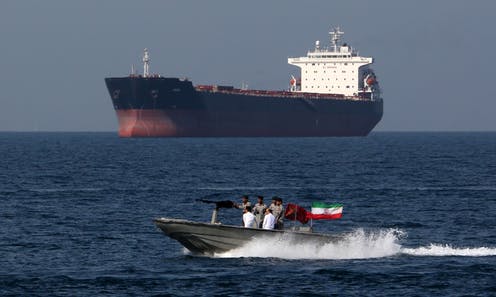
U.S. intelligence assessments now confirm that Iran has no intention of loosening its grip on the Strait of Hormuz anytime soon. Tehran views control over this critical oil corridor as its most powerful bargaining chip against Washington — and it's using that leverage deliberately.
The strait, a narrow 21-mile passage responsible for moving roughly 20% of the world's oil supply, has become the centerpiece of Iran's economic warfare strategy. By throttling this artery, Iran has driven crude prices to multi-year highs, stoking inflation fears across Western economies at a politically sensitive time for the Trump administration ahead of November's midterm elections.
What analysts initially expected to be a swift U.S.-led military campaign to dismantle Iranian regional influence has instead exposed a significant strategic vulnerability. Tehran's blockade has proven more disruptive than many anticipated, with some experts now calling it a "weapon of mass disruption" — arguably more effective as a deterrent than a nuclear arsenal. Even with U.S. forces in the region, Iran's Islamic Revolutionary Guard Corps can sustain maritime disruption through low-cost drones and mainland missile capabilities, making the strait effectively uninsurable for most commercial shipping carriers.
Intelligence reports further indicate that Iran is looking beyond the immediate crisis. Rather than maintaining a temporary blockade, Tehran is reportedly working toward institutionalizing its maritime control — potentially through a "passage fee" framework that would fund post-war reconstruction while cementing long-term deterrence power in any future peace negotiations with the U.S.
The White House has expressed confidence that the strait will reopen, while quietly signaling that NATO allies and Gulf nations should shoulder more of the security burden. That shift in tone reflects just how complicated — and costly — resolving this crisis has become, with global energy markets, supply chains, and geopolitical stability all hanging in the balance.







