


 U.S. Lawmakers to Review Unredacted Jeffrey Epstein DOJ Files Starting Monday
  Federal Judge Restores Funding for Gateway Rail Tunnel Project
  Japan’s Prime Minister Sanae Takaichi Secures Historic Election Win, Shaking Markets and Regional Politics
  Trump Says “Very Good Talks” Underway on Russia-Ukraine War as Peace Efforts Continue
  Trump’s Inflation Claims Clash With Voters’ Cost-of-Living Reality
  India–U.S. Interim Trade Pact Cuts Auto Tariffs but Leaves Tesla Out
  New York Legalizes Medical Aid in Dying for Terminally Ill Patients
  Pentagon Ends Military Education Programs With Harvard University
  U.S. to Begin Paying UN Dues as Financial Crisis Spurs Push for Reforms
  Trump Congratulates Japan’s First Female Prime Minister Sanae Takaichi After Historic Election Victory
  Bosnian Serb Presidential Rerun Confirms Victory for Dodik Ally Amid Allegations of Irregularities
  Netanyahu to Meet Trump in Washington as Iran Nuclear Talks Intensify
  Trump Allows Commercial Fishing in Protected New England Waters
  Antonio José Seguro Poised for Landslide Win in Portugal Presidential Runoff
  U.S.-India Trade Framework Signals Major Shift in Tariffs, Energy, and Supply Chains
  Trump Administration Appeals Court Order to Release Hudson Tunnel Project Funding
  Anutin’s Bhumjaithai Party Wins Thai Election, Signals Shift Toward Political Stability


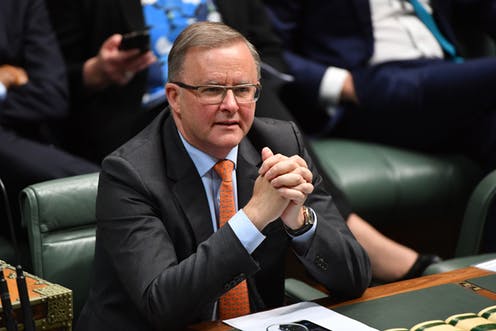
Australia will head to the polls on May 3, Prime Minister Anthony Albanese announced Friday, launching a five-week federal election campaign focused on cost-of-living pressures. The Labor leader, whose party won in 2022, faces a close contest with the opposition Liberal-National coalition, as recent polls show both sides nearly tied after preference redistribution.
Albanese met with Governor-General Sam Mostyn Friday morning to officially call the election, as required by Australia’s constitution. With three-year term limits, the latest possible election date is May 17.
In his campaign launch, Albanese said, “Australia is turning the corner. Now on May 3, you choose the way forward,” emphasizing government support amid global economic challenges. The Labor government has introduced recent tax cuts and family support measures, but rising inflation and interest rates have eroded Albanese’s popularity.
Opposition leader Peter Dutton is campaigning on housing affordability, linking the crisis to high immigration. He also proposes adopting nuclear energy, challenging Labor’s renewable energy transition, which he claims has raised electricity costs.
Both parties have pledged an additional A$8.5 billion over four years to strengthen public healthcare. Albanese reignited concerns over Medicare cuts under a possible Liberal-National government, referencing his personal experience with the public health system. Dutton responded by promising to match Labor’s Medicare funding.
Foreign policy also looms large, with Albanese touting engagement with former U.S. President Donald Trump’s team amid expected new tariffs on Australian exports. Without naming Trump, he criticized Dutton for “borrowing” policies that could harm public sector jobs and social programs.
As voters face rising costs and uncertain global trends, the May 3 election is shaping up to be one of Australia’s most tightly contested races in years.













