


 EU Gives Crypto Platforms Three Months to Remove USDT Under MiCA Rules
  US Charges Maduro and Wife With Torture Conspiracy
  Trump Opens Tax-Exempt Dyed Diesel Access as Fuel Prices Surge
  Mexico Bars Dual Citizens From Presidential Races Starting in 2028
  Tsai Warns of China’s Sustained Pressure on Taiwan
  US-Led Coalition Targets Global Factory Overcapacity
  Berlin Coalition Talks Advance After Left Party Antisemitism Deal
  Florida Seeks Tougher Meta Rules to Protect Young Users
  Trump Plans Diesel Tax Relief as Fuel Prices Hit Record Highs
  Trump Rallies in Texas as Republicans Face Tight Midterm Races
  US Waives $320M Egypt Military Aid Conditions After Iran War Role
  Hegseth Praises USS Abraham Lincoln Crew After Record Iran War Deployment
  Merz Warns of Extremism After AfD Gains Power in Saxony-Anhalt
  US Pressures Allies to Distance From Anti-Disinformation Conference
  Maduro, Wife May Face New US Torture Charges
  US, Greece Launch New Counterterrorism Security Program
  Crypto Rallies as CLARITY Act Failure Opens Door to Faster SEC Rules


 Add as a preferred source on Google
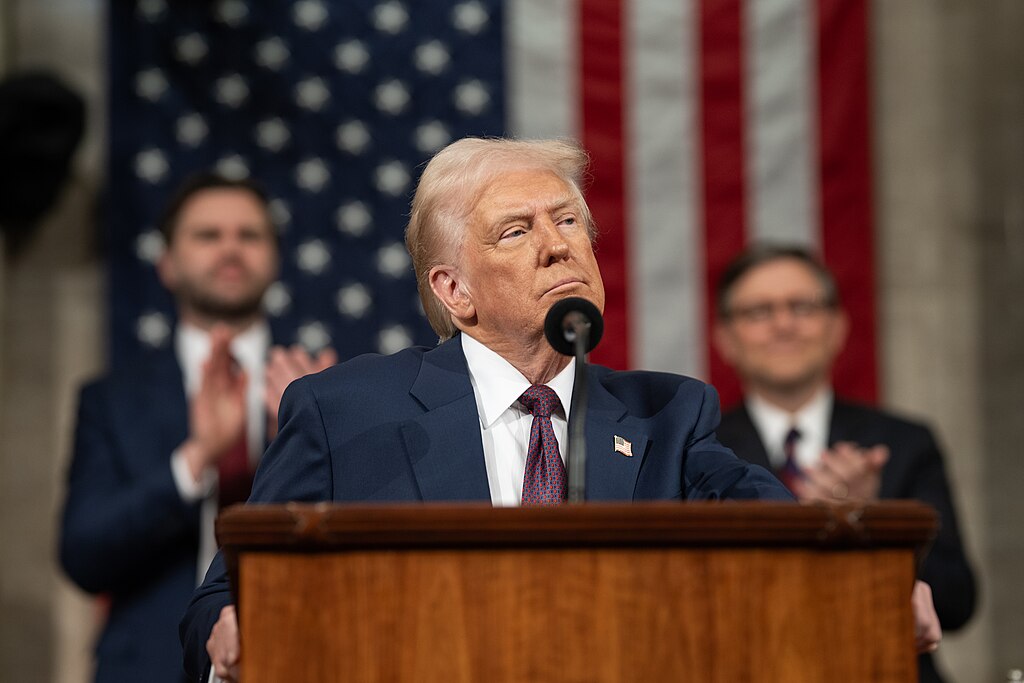
Washington’s decision to expand U.S. travel restrictions to include Antigua and Barbuda and Dominica is raising serious concerns across the Caribbean, where access to the United States plays a vital role in tourism, education, healthcare, business, and family connections. On December 16, Republican U.S. President Donald Trump announced that the two small Caribbean nations would be added to a list of countries subject to a partial travel ban, citing concerns over passport security and citizenship-by-investment programs. The new restrictions are set to take effect on January 1.
The policy blocks entry to the United States under visas previously used for temporary travel such as tourism and business, triggering fears of widespread economic disruption. Tourism is a cornerstone of Caribbean economies, accounting for a significant share of employment and foreign exchange earnings. Industry leaders warn that reduced passenger traffic could force airlines to cut routes, making Caribbean destinations harder to reach and further hurting visitor numbers.
Business owners and residents in Antigua and Barbuda say the impact will be immediate and far-reaching. Many flights bringing U.S. tourists to the islands rely on local residents traveling back to the United States on return legs. If Antiguans are unable to travel, airlines may face half-empty planes, threatening route viability and tourism growth. Beyond tourism, the restrictions could affect education, trade, and especially healthcare, as many Caribbean residents depend on U.S. hospitals and medical specialists for advanced treatment.
The announcement has also disrupted family life, particularly during the holiday season, as many Caribbean families are split between the islands and the United States. Some residents now face the prospect of being unable to visit elderly or hospitalized relatives, deepening anxiety across the region.
The White House said the move was driven by national security concerns related to screening, vetting, and information-sharing deficiencies. Antigua and Barbuda’s Prime Minister Gaston Browne rejected the claims, stating that his government has worked closely with U.S. authorities to strengthen safeguards and ensure its citizenship program poses no security risk.
For many Caribbean nations already struggling with climate change, rising costs, and limited economic diversification, the expanded U.S. travel ban is seen as another policy decision with outsized consequences for small, tourism-dependent economies.







