


 U.S.-India Trade Framework Signals Major Shift in Tariffs, Energy, and Supply Chains
  Trump Backs Nexstar–Tegna Merger Amid Shifting U.S. Media Landscape
  New York Legalizes Medical Aid in Dying for Terminally Ill Patients
  Bangladesh Election 2026: A Turning Point After Years of Political Suppression
  Trump Slams Super Bowl Halftime Show Featuring Bad Bunny
  Bosnian Serb Presidential Rerun Confirms Victory for Dodik Ally Amid Allegations of Irregularities
  Trump Signs Executive Order Threatening 25% Tariffs on Countries Trading With Iran
  Netanyahu to Meet Trump in Washington as Iran Nuclear Talks Intensify
  India–U.S. Interim Trade Pact Cuts Auto Tariffs but Leaves Tesla Out
  Trump’s Inflation Claims Clash With Voters’ Cost-of-Living Reality
  Antonio José Seguro Poised for Landslide Win in Portugal Presidential Runoff
  Israel Approves West Bank Measures Expanding Settler Land Access
  Sydney Braces for Pro-Palestine Protests During Israeli President Isaac Herzog’s Visit
  US Pushes Ukraine-Russia Peace Talks Before Summer Amid Escalating Attacks
  Ohio Man Indicted for Alleged Threat Against Vice President JD Vance, Faces Additional Federal Charges
  Pentagon Ends Military Education Programs With Harvard University


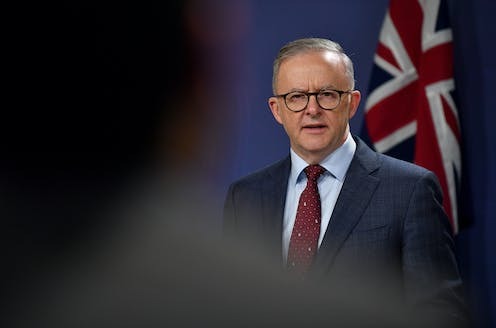
Australia marked a national day of reflection on Sunday to honour the victims of a deadly gun attack that struck a Hanukkah celebration at Sydney’s Bondi Beach a week earlier, killing 15 people and injuring dozens more. The memorial came as Prime Minister Anthony Albanese announced a comprehensive review of Australia’s law enforcement and intelligence agencies amid heightened concerns over terrorism and antisemitism.
At 6:47 p.m., the exact time the attack began, Australians observed a minute of silence. Television and radio broadcasts paused, flags on government buildings flew at half-staff, and tens of thousands gathered at Bondi Beach for a large memorial under tight security. Police snipers were positioned on rooftops, patrol boats monitored nearby waters, and authorities urged calm and vigilance nationwide.
Prime Minister Albanese attended the memorial wearing a kippah but did not speak. He was met with boos from some in the crowd, reflecting criticism that his government has not done enough to counter rising antisemitism since the outbreak of the Gaza war. Leaders from across the country joined community members, victims’ families, and faith representatives to pay tribute.
David Ossip, president of the New South Wales Jewish Board of Deputies, addressed the crowd, saying the attack had shaken the nation’s sense of safety. He invoked the message of Hanukkah, emphasizing hope and resilience in the face of tragedy. The father of Ahmed al Ahmed, praised as the “Bondi Hero” for disarming one of the attackers, also shared words of solidarity with grieving families.
Authorities confirmed the shooting is being investigated as an antisemitic terrorist attack inspired by Islamic State. Investigators say the incident exposed gaps in gun licensing checks and intelligence sharing between agencies. In response, Albanese announced a nationwide gun buyback and an independent review of federal police and intelligence structures, powers, and information-sharing processes, due to conclude by the end of April.
Security has been increased across Australia following a series of antisemitic incidents, including attacks on synagogues and Jewish-owned property. New South Wales has also pledged legislation to ban the display of symbols linked to terrorist organizations. Officials say these steps are essential to protect communities and prevent further extremist violence.













