


 Trump Claims Iran Sought Ceasefire as Middle East War Escalates
  UAE's Largest Natural Gas Facility Suspended After Attack-Triggered Fire
  Asian Currencies Weaken as Dollar Rebounds Amid Middle East Escalation
  U.S. Stock Futures Steady Amid Iran Ceasefire Talks and Trump Address
  Trump Expands Tariffs on Pharmaceuticals and Metals One Year After Liberation Day
  Trump's Iran War Speech Sparks Market Anxiety Over Extended Conflict
  March 2025 Jobs Report: Strong Headline Numbers Hide Deeper Economic Concerns
  U.S. Warplane Shot Down by Iran Amid Escalating Middle East Conflict
  Oil Prices Surge Over $5 as Trump Vows to Continue Iran Strikes
  Asian Stocks Drop as Trump Signals Iran War Escalation
  Trump's FY2027 Budget: Major Defense Boost and Domestic Spending Cuts
  Gold Prices Surge as U.S.-Iran Ceasefire Talks Spark Market Optimism
  Morgan Stanley: Fed Rate Cuts Still on Track Despite Oil-Driven Inflation
  Japan's Services Sector Growth Slows in March Amid Rising Middle East Tensions
  Oil Prices Slide as Iran Tensions Ease and U.S. Crude Stockpiles Swell
  Gulf War Ceasefire Hopes Weigh on Dollar Ahead of Trump Address
  U.S. Stock Futures Stabilize Ahead of Good Friday as Investors Eye Jobs Report


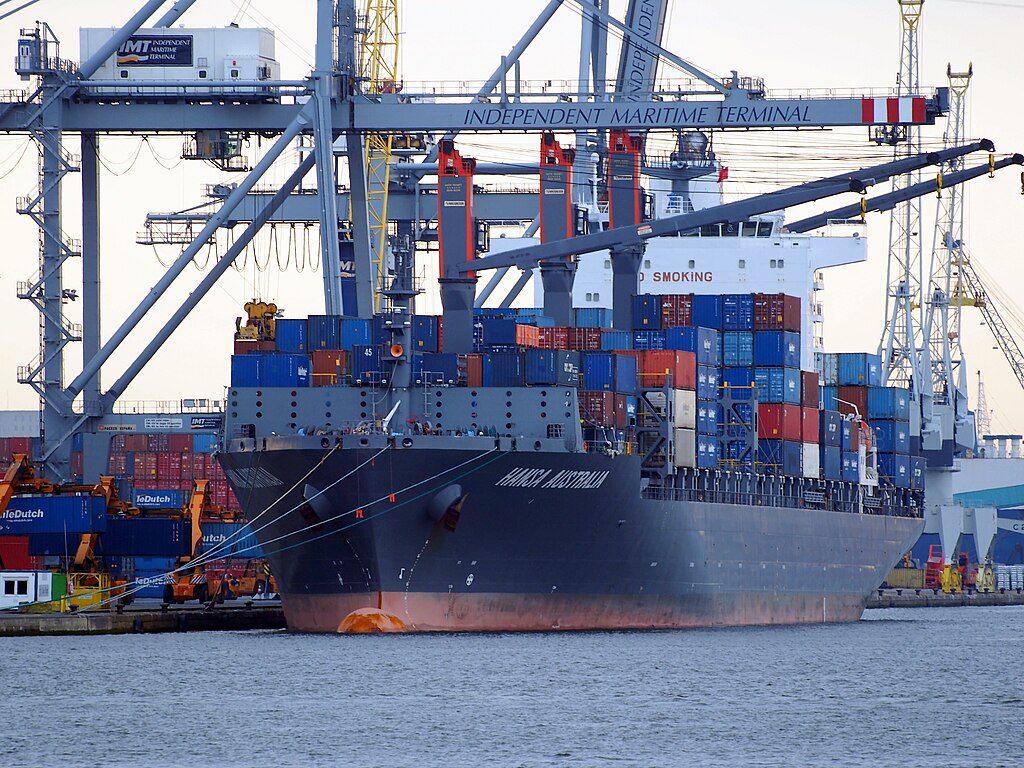
Australia’s trade balance narrowed in December as a surge in imports outpaced sluggish exports, reflecting weak demand from China. The trade surplus fell to A$5.09 billion, down from A$6.56 billion in November, missing expectations of A$6.79 billion, according to data from the Australian Bureau of Statistics.
Exports edged up just 1.1%, a steep decline from November’s 4.8% rise. The slowdown was driven by reduced shipments of metals, machinery, and port products, as demand from China—Australia’s top trading partner—remained weak amid U.S. tariff tensions, fragile domestic sentiment, and a struggling property sector. Beijing’s aggressive stimulus measures, implemented since September, have shown diminishing returns, failing to boost demand significantly.
Meanwhile, imports surged 5.9% month-over-month, accelerating from a 1.7% rise in November. The jump was fueled by higher demand for overseas consumer goods, including textiles, clothing, and footwear, alongside a rise in capital goods imports. Stronger local demand contributed to the widening gap between imports and exports, weighing on Australia’s trade surplus.
With China’s economic struggles persisting, Australia’s export sector faces ongoing headwinds, while increased domestic consumption continues to drive import growth. The latest trade data underscores the challenges ahead for Australia’s economy as global trade conditions remain uncertain.







