


 Mexico Senate Approves 40-Hour Workweek Reform, Bill Advances to Lower House
  Trump and Netanyahu Hold Talks on Iran Nuclear Deal, Gaza Ceasefire, and Middle East Security
  House Votes to End Trump’s Canada Tariff Emergency, Senate Showdown Looms
  India–US Trade Deal: Digital Tax Removal and $500 Billion Purchase Commitment Signal Major Policy Shift
  U.S. Offers Payments to Afghans in Qatar as Camp As Sayliyah Closure Nears
  White House Reaffirms Trump’s Support for Commerce Secretary Howard Lutnick Amid Epstein Links
  China Signals Strategic Rare Earth Push Amid Rising U.S. Competition
  Trump Executive Order Aims to Boost U.S. Coal Power Plants with Pentagon Support
  Russian Strikes Kill Four Civilians in Ukraine’s Dnipropetrovsk Region
  U.S. Issues New Shipping Guidance for Strait of Hormuz Amid Rising Iran Tensions
  Pride Flag Removed From Stonewall National Monument Sparks Backlash and Protest Plans
  Trump Weighs Second U.S. Aircraft Carrier Deployment as Iran Talks Resume
  Tulsi Gabbard Winds Down Controversial Intelligence Task Force Amid Political Scrutiny
  Trump Administration Plans Chip Tariff Exemptions for Big Tech Amid AI Data Center Push
  Trump Administration Moves to Repeal EPA Climate Endangerment Finding
  Pentagon Seeks Broader Access to AI Tools on Classified Military Networks
  UG Solutions in Talks With Trump’s Board of Peace Over Gaza Security Role


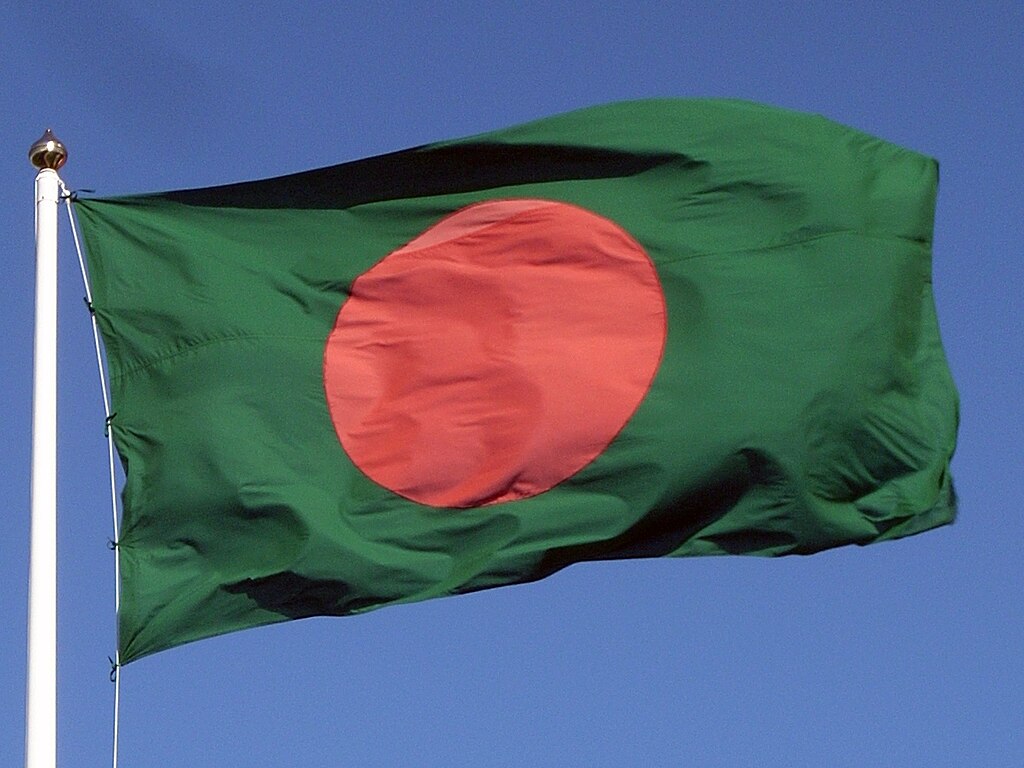
Bangladesh heads to the polls on Thursday in a landmark general election following the 2024 ouster of long-time Prime Minister Sheikh Hasina in a Gen Z-led uprising. The vote is widely seen as a defining moment for the country’s democratic future and political stability after months of unrest that disrupted key sectors, including the garments industry—Bangladesh’s largest export earner and the world’s second-largest apparel exporter.
Nearly 128 million registered voters, 49% of them women, are eligible to cast ballots for 300 seats in the Jatiya Sangsad, or National Parliament. More than 2,000 candidates from at least 50 political parties are contesting, marking a record level of participation. Voting in one constituency has been postponed due to the death of a candidate. Polling stations open at 7:30 a.m. and close at 4:30 p.m., with preliminary results expected by midnight and final results likely by Friday morning.
The election pits two rival coalitions led by the Bangladesh Nationalist Party (BNP) and the Islamist Jamaat-e-Islami. Opinion polls suggest the BNP, led by Tarique Rahman, holds a slight advantage over Jamaat chief Shafiqur Rahman. Hasina’s Awami League remains banned, and she continues to live in self-imposed exile in India, straining Bangladesh-India relations and potentially expanding China’s regional influence.
Alongside the parliamentary vote, citizens will decide on constitutional reforms, including introducing a neutral interim election government, creating a bicameral legislature, strengthening judicial independence, increasing women’s representation, and imposing a two-term limit for future prime ministers.
Security has been tightened, with over 100,000 military personnel supporting police nationwide. Key voter concerns include corruption and rising inflation. After years of disputed elections and opposition boycotts, analysts say a free and fair vote—and acceptance of the results—will signal Bangladesh’s return to democratic governance.













