


 Mexico Bars Dual Citizens From Presidential Races Starting in 2028
  JD Vance Says Iran Must Cut Nuclear Enrichment to End War
  US-Led Coalition Targets Global Factory Overcapacity
  EU Gives Crypto Platforms Three Months to Remove USDT Under MiCA Rules
  France to Release 10 Million Barrels of Diesel to Ease Fuel Prices
  Pentagon Orders Iran Strike Preparations as Trump Weighs Military Action
  Crypto Rallies as CLARITY Act Failure Opens Door to Faster SEC Rules
  US Government Moves $1 Billion in Bitcoin Amid Sale Speculation
  Saudi Arabia Probes Flydubai Cockpit Attack
  Trump Opens Tax-Exempt Dyed Diesel Access as Fuel Prices Surge
  US Conducts Non-Nuclear Explosion Test to Boost Nuclear Detection
  US-Taiwan Ties Remain Strong as Taipei Urges Timely Arms Deliveries
  Rapidus Seeks Chip Customers as Japan Pushes 2nm Semiconductor Revival
  US Suspends Microsoft, Adobe From Green Card Program
  San Francisco Halts New Data Center Construction With 45-Day Moratorium


 Add as a preferred source on Google
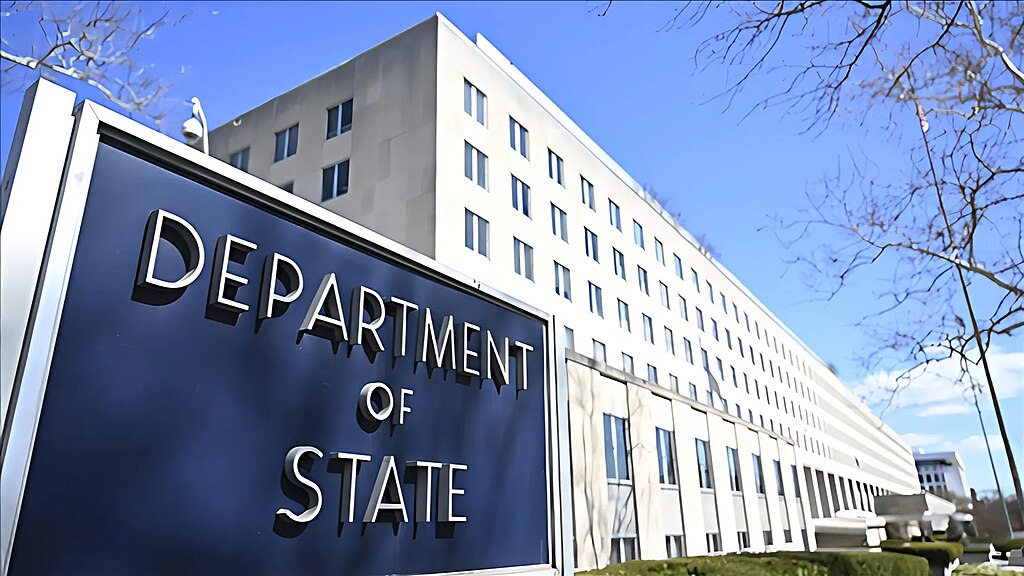
The U.S. State Department has begun offering financial incentives to Afghans stranded in Qatar to encourage voluntary repatriation, as officials move to shut down Camp As Sayliyah (CAS) by the end of March. The facility, a former U.S. Army base, has housed more than 1,100 Afghans since early last year after the Trump administration paused Afghan resettlement programs.
Many of those at the Qatar camp reportedly fear Taliban retaliation due to past ties with the U.S. military. Advocacy groups say the population includes civilian refugees, women who worked alongside U.S. forces during the 20-year war in Afghanistan, and relatives of American service members. Critics argue that returning to Afghanistan could put these individuals at significant risk.
During a House Foreign Affairs subcommittee hearing, Assistant Secretary of State for South and Central Asia S. Paul Kapur stated that the U.S. government is not forcibly deporting anyone. According to Kapur, approximately 150 Afghans have already accepted financial assistance to return voluntarily. However, he acknowledged that he did not know what happened to them after they arrived back in Afghanistan.
While the State Department has not disclosed official payment figures, Shawn VanDiver of #AfghanEvac told Reuters that the offer includes $4,500 for the primary applicant and $1,200 for each additional family member. Advocacy organizations have raised concerns that the repatriation process may not be fully voluntary, alleging that camp staff have encouraged residents to accept the payments amid uncertainty over third-country relocation options.
Kapur said the U.S. is negotiating with other countries to resettle eligible Afghans, calling relocation a preferable solution to indefinite stays at the Qatar facility. However, Democratic lawmakers, including Representative Sydney Kamlager-Dove, have criticized the policy, labeling it a betrayal of Afghan allies who supported U.S. operations.
The debate over Afghan repatriation highlights ongoing challenges in U.S. immigration policy and refugee resettlement efforts following the withdrawal from Afghanistan.







