


 Oil Prices Hold Firm as U.S.–Iran Talks and Inventory Data Shape Market Sentiment
  Dollar Slips Ahead of Key U.S. Data as Yen Holds Post-Election Gains
  U.S. Stock Futures Steady as Investors Await Key Jobs and Inflation Data
  Asian Currencies Stay Rangebound as Yen Firms on Intervention Talk
  Asian Stock Markets Rise as Australian Shares Rally; Investors Eye U.S. Jobs Data and China Inflation
  Lee Seung-heon Signals Caution on Rate Hikes, Supports Higher Property Taxes to Cool Korea’s Housing Market
  Japan Weighs Using Foreign Exchange Reserve Surplus to Fund Food Tax Cuts
  British Retail Sales See Strong Start to 2026 as Food and In-Store Spending Rise
  China CPI Growth Slows While Producer Deflation Eases in January
  India–US Trade Deal: Digital Tax Removal and $500 Billion Purchase Commitment Signal Major Policy Shift
  Gold and Silver Prices Rise as Falling U.S. Yields Signal Softer Economy Ahead of Key Jobs Data
  Gold Prices Slip in Asian Trade as Markets Await Key U.S. Economic Data
  Trump Threatens to Block Gordie Howe Bridge, Escalating U.S.-Canada Trade Tensions
  Australian Central Bank Signals Tough Stance as Inflation Pressures Persist


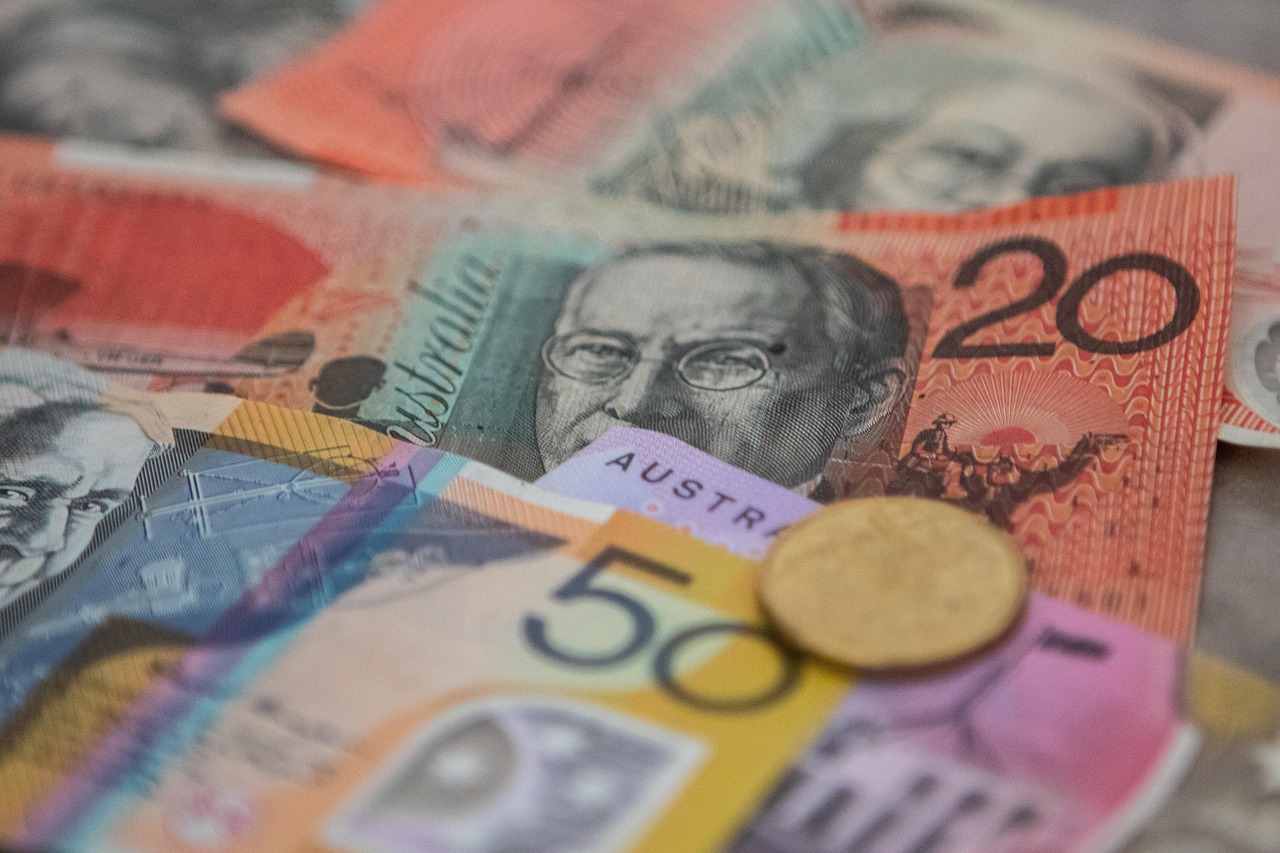
Asian currencies strengthened on Wednesday as the U.S. dollar extended its recent decline ahead of closely watched U.S. nonfarm payrolls data. The softer greenback provided broad support across regional foreign exchange markets, while the Chinese yuan remained largely steady following weaker-than-expected January inflation figures.
The Australian dollar emerged as the top performer, with AUD/USD jumping 0.7% to $0.7125, its highest level in three years. The rally followed hawkish remarks from Reserve Bank of Australia (RBA) Deputy Governor Andrew Hauser, who stated that inflation remains elevated and interest rates may not yet be restrictive enough. His comments came shortly after the RBA delivered a 25-basis-point rate hike—its first increase in two years—responding to a resurgence in inflation toward late 2025. Investors are now closely monitoring upcoming first-quarter inflation data for further signals on potential additional rate hikes, boosting demand for the Aussie dollar.
Meanwhile, the Chinese yuan hovered near 6.91 against the U.S. dollar, close to its weakest level since May 2023. The currency showed limited reaction to data revealing softer consumer price index (CPI) inflation and another contraction in producer price index (PPI) inflation, marking the 40th consecutive month of producer deflation. Analysts noted that seasonal factors, including the timing of the Lunar New Year holiday, may have influenced January’s figures. Nevertheless, the data reinforced expectations for further economic stimulus from Beijing to combat persistent disinflationary pressures.
The Japanese yen also gained ground, with USD/JPY falling 0.5% to around 153.6, its lowest level in nearly two weeks. A weaker dollar and political stability following Prime Minister Sanae Takaichi’s decisive lower house victory supported the yen, despite Japanese markets being closed for a holiday.
The dollar index slipped 0.1% to 0.2% in Asian trading after disappointing U.S. retail sales data heightened concerns about slowing economic growth. Traders are now focused on upcoming U.S. payrolls and CPI inflation data, which could further influence currency market volatility. Other regional currencies saw modest moves, with USD/SGD edging lower, USD/KRW rising slightly, and USD/INR holding near 90.5.













