


 Australia Probes Flydubai Co-Pilot’s Links After FZ1073 Hijack Attempt
  Zelenskiy Criticizes US as Russian Strikes Kill 78 in Ukraine
  US DOT Ends Airline Privacy Review Without Enforcement
  US-Led Coalition Targets Global Factory Overcapacity
  US Pressures Allies to Distance From Anti-Disinformation Conference
  Kalshi Wins CFTC Approval for S&P 500 Perpetual Futures
  San Francisco Halts New Data Center Construction With 45-Day Moratorium
  Saudi Airport Attacks Kill Three as Yemen Fighting Escalates
  Illinois Delays Crypto Tax Law Until July 2027
  Mexico Bars Dual Citizens From Presidential Races Starting in 2028
  US Treasury Drops Crypto Wallet Tracking Plan
  US, Greece Launch New Counterterrorism Security Program
  UK Sanctions Crypto Exchanges Linked to Russia
  Florida Seeks Tougher Meta Rules to Protect Young Users
  Trump Weighs FBI Probe Into Nolan Wells’ Death
  US Government Moves $1 Billion in Bitcoin Amid Sale Speculation
  Trump Opens Tax-Exempt Dyed Diesel Access as Fuel Prices Surge


 Add as a preferred source on Google
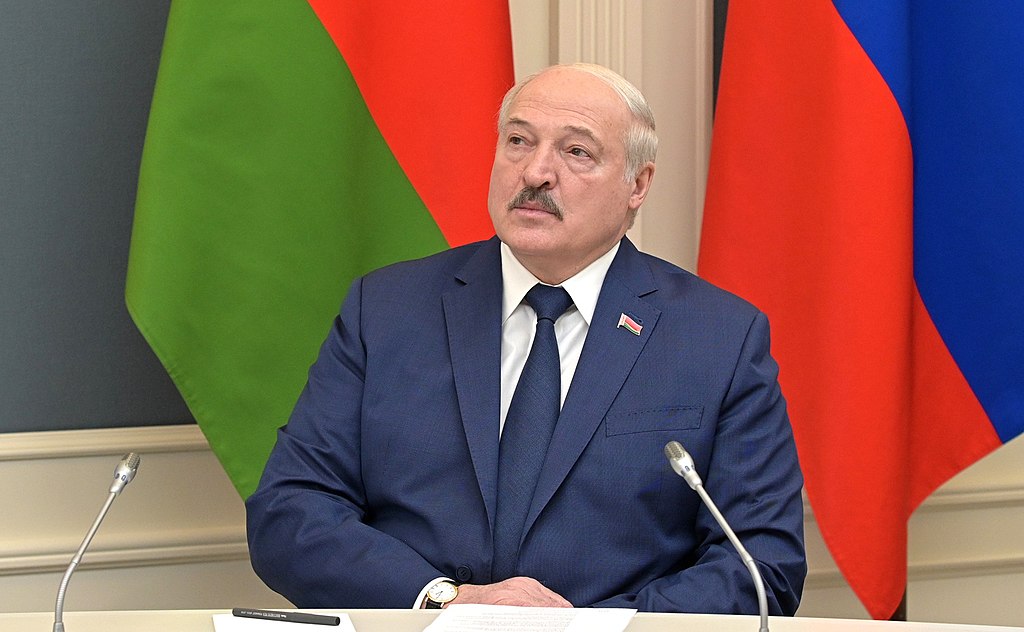
Belarusian President Alexander Lukashenko has released 123 prisoners, including Nobel Peace Prize laureate Ales Bialiatski and prominent opposition leader Maria Kalesnikava, in a major political breakthrough tied to negotiations with the United States. The move came as part of a deal brokered by an envoy of U.S. President Donald Trump, under which Washington agreed to lift sanctions on Belarusian potash exports, a vital sector for the country’s economy and a key component in global fertiliser production.
The mass release marks the largest single freeing of political detainees by Lukashenko since the Trump administration began diplomatic talks with Minsk earlier this year. Belarus, a close ally of Russian President Vladimir Putin, had long been isolated by Western governments due to its violent crackdown on dissent following the disputed 2020 election and its support for Russia’s invasion of Ukraine.
Trump’s envoy, John Coale, told Reuters that negotiations could lead to the release of up to 1,000 remaining political prisoners in the coming months, potentially in one large group. He said that if Belarus were to free all political detainees, most remaining U.S. sanctions could be lifted, calling the arrangement a “fair trade.”
According to officials, nine of the freed prisoners traveled to Lithuania, while 114 were taken to Ukraine. Bialiatski, co-winner of the 2022 Nobel Peace Prize for his long-standing human rights work, appeared visibly aged but relieved as he arrived in Lithuania and reunited with exiled opposition leader Sviatlana Tsikhanouskaya. Speaking to Reuters, he said the broader human rights struggle in Belarus would continue, noting that many people remain imprisoned.
Maria Kalesnikava, a central figure in the 2020 mass protests against Lukashenko, described the moment of freedom as overwhelming joy after years in detention. She was reunited with fellow opposition figures in Ukraine, though some relatives of political prisoners remain behind bars.
U.S. officials say the outreach to Lukashenko is partly aimed at reducing Belarus’s dependence on Moscow. While the exiled Belarusian opposition has welcomed the prisoner releases and credited sanctions for forcing concessions, it continues to urge the European Union to maintain pressure for democratic reforms, accountability, and an end to Belarus’s role in the war in Ukraine.







