


 Trump Claims Iran Sought Ceasefire as Middle East War Escalates
  Asian Currencies Weaken as Dollar Rebounds Amid Middle East Escalation
  Bank of Japan Eyes Further Rate Hikes Amid Middle East Tensions and Inflation Pressures
  South Korea's Inflation Rises Modestly in March Amid Oil Price Pressures
  UAE's Largest Natural Gas Facility Suspended After Attack-Triggered Fire
  RBI Clamps Down on Rupee NDF Activity, Banks Face Steeper Losses
  Oil Prices Hold Near Multi-Year Highs Amid Iran Conflict and Hormuz Supply Fears
  Oil Prices Slide as Iran Tensions Ease and U.S. Crude Stockpiles Swell
  U.S. Job Market Braces for Slow Recovery Amid Middle East Tensions and Economic Uncertainty
  Iran's Stranglehold on the Strait of Hormuz: What It Means for Global Markets
  Asian Stocks Drop as Trump Signals Iran War Escalation
  Australia's Trade Surplus Surges in February on Gold Export Boom
  Japan's Services Sector Growth Slows in March Amid Rising Middle East Tensions
  Gold Prices Drop as Trump Escalates Iran Threats, Oil Surges
  Gold Prices Surge as U.S.-Iran Ceasefire Talks Spark Market Optimism
  Trump's Claim That the U.S. Can Cover Global Jet Fuel Shortfall Doesn't Add Up
  U.S. Dollar Climbs as Trump Escalates Rhetoric Against Iran


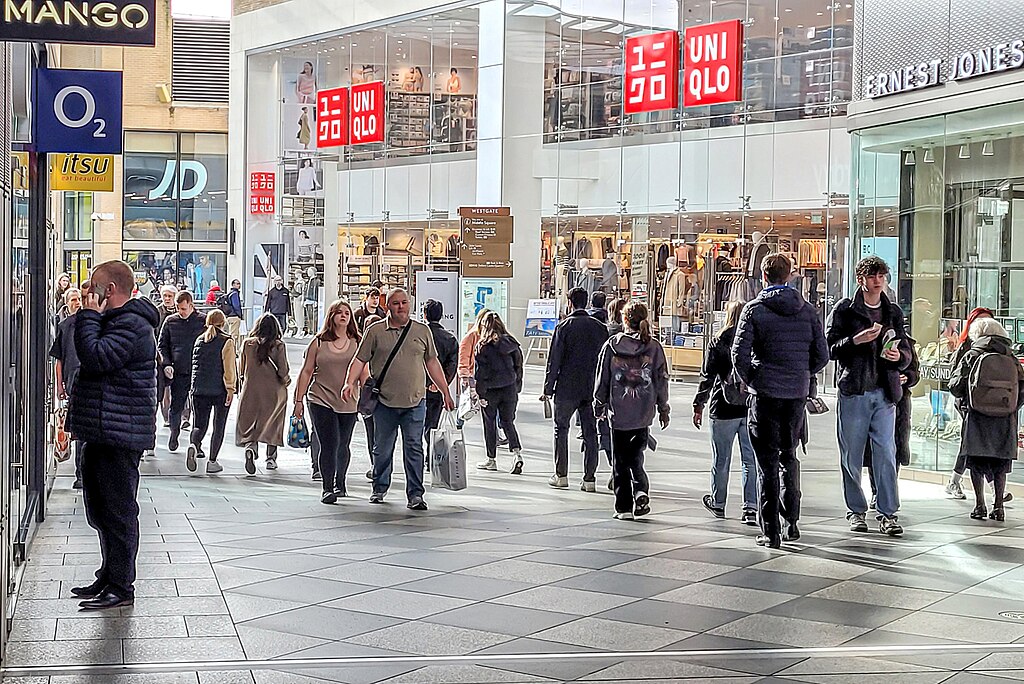
British retailers began 2026 on a positive note, with strong food sales and increased in-store shopping activity helping to lift overall retail performance in January, according to new data from the British Retail Consortium (BRC). The figures add to growing evidence that UK consumer confidence may be stabilizing following the Autumn Budget delivered by finance minister Rachel Reeves in November.
The BRC survey showed that total retail sales growth gained momentum at the start of the year, supported by a seasonal boost from January sales and improved shopper engagement. Food sales were a key driver of this growth, rising 2.7% year-on-year in January, the fastest pace recorded since August. This reflects continued demand for essential goods, as well as consumers responding to promotional pricing and better availability in stores.
Overall food sales increased by a stronger 3.8% annually, while non-food sales also returned to growth, rising by 1.7%. The period around the turn of the year proved particularly important, with retailers benefiting from post-holiday discounting and consumers taking advantage of January sales across multiple categories. These trends suggest that shoppers remain value-conscious but are still willing to spend when incentives are attractive.
In-store retail activity was another standout feature of the January data. Physical store sales grew at their fastest rate in six months, indicating a renewed willingness among consumers to shop in person after a challenging period for bricks-and-mortar retailers. Like-for-like retail sales, which adjust for store openings and closures, rose by 2.3% year-on-year, also marking the strongest increase since August.
The BRC’s findings align with official figures released on January 23, which showed an unexpectedly strong rise in UK retail sales in December. Together, the data points to a brighter outlook for the British retail sector in early 2026, as easing inflation pressures and greater economic clarity begin to support consumer spending and retail confidence.







