


 US Stocks Face Jobs, Inflation Test as Fed Rate Hike Bets Rise
  BlackRock’s Rick Rieder Favors Bonds Over Stocks as Treasury Yields Surge
  Russian Bomb Strike on Kharkiv Injures 22, Including Children
  China Agrees to Buy 20 Million Tons of U.S. Coal
  Australia Budget Deficit Narrows to A$22.3 Billion on Stronger Tax Revenue
  Colombia Extradites FARC Dissident Leader ‘Spider’ to US
  China Industrial Profit Growth Slows as Weak Demand Offsets AI Gains
  Trump to Ease U.S. Fuel-Economy Standards
  Asian Stocks Fall as Oil Surge, Bond Yields and AI Concerns Hit Markets
  Iran Holds Firm on Hormuz Reopening Terms Despite Trump Rejection
  Fed’s Hammack Says Bond Yield Surge Is Not Driven by Inflation Fears
  Taiwan Pushes Back on China’s World War Two Narrative After Trump-Xi Summit
  Japanese Yen Rebounds as Trump Flags Currency Weakness
  Iran Says Diplomacy Only Path to End U.S.-Israel Conflict
  Iran Awaits U.S. Response on Hormuz Ceasefire Proposal
  Pope Leo Warns UN, Multilateral Groups Face Crisis
  Germany Political Risks Rise as Merz Faces Coalition Pressure


 Add as a preferred source on Google
China confirmed Monday that its trade truce with the United States will be extended by two months through January 10, giving the world’s two largest economies additional time to assess existing agreements and pursue further progress on trade and investment.
China’s Commerce Ministry said the extension would create a more stable and predictable policy environment for businesses while allowing Beijing and Washington to continue discussions on unresolved economic and trade issues.
The agreement was a major outcome of last week’s Washington summit between Chinese President Xi Jinping and U.S. President Donald Trump, their second meeting this year.
As part of the next phase of China-US trade negotiations, the two countries plan to establish a trade council. One of its initial priorities will be discussing reciprocal tariff reductions covering $30 billion worth of goods. Beijing said lower tariffs could improve conditions for Chinese exports to the United States while supporting more stable bilateral trade relations.
Economic and trade officials will also hold regular talks on investment opportunities, market barriers, policy transparency and concerns raised by companies operating in both countries.
Agriculture will be another key focus. China and the United States will establish an agricultural working group, with its first meeting scheduled before the end of the year. Discussions will address market access and regulatory issues affecting agricultural trade.
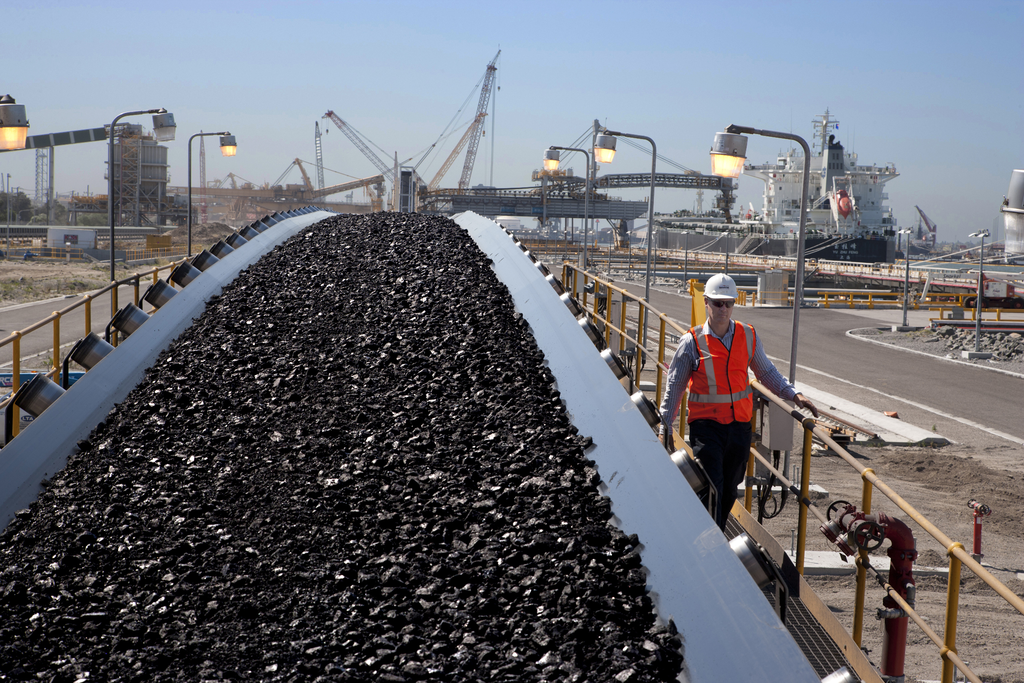
The Trump-Xi summit also produced an agreement for China to import U.S. coal in 2027 and 2028. China’s Commerce Ministry said American coal could supplement domestic supplies while generating revenue and employment for the U.S. coal industry.
Cooperation will extend beyond traditional trade. Beijing and Washington agreed to create an artificial intelligence incident communication channel and plan another AI dialogue by the end of November.
China also said it will review applications from foreign financial services companies, including U.S.-backed institutions, seeking to operate or establish branches in the country.
The two governments will additionally continue discussions on expanding direct flights between China and the United States, signaling broader efforts to stabilize economic and commercial ties.







