


 China vs. NASA: The New Moon Race and What's at Stake by 2030
  Swimming in the sweet spot: how marine animals save energy on long journeys
  Wildfires ignite infection risks, by weakening the body’s immune defences and spreading bugs in smoke
  Is space worth the cost? Accounting experts say its value can’t be found in spreadsheets
  Blue Origin New Glenn Explosion Could Delay Launch Operations Until 2028
  Rise of the Zombie Bugs takes readers on a jaw-dropping tour of the parasite world
  The UK is surprisingly short of water – but more reservoirs aren’t the answer
  Burkina Faso and Mali’s fabulous flora: new plant life record released
  Parasites are ecological dark matter – and they need protecting
  Rice feeds billions of people – but its role in fueling climate change is growing
  GesiaPlatform Launches Carbon-Neutral Lifestyle App ‘Net Zero Heroes’
  As the Black Summer megafires neared, people rallied to save wildlife and domestic animals. But it came at a real cost
  Tabletop particle accelerator could transform medicine and materials science
  How to create a thriving forest, not box-checking ‘tree cover’
  Fertile land for growing vegetables is at risk — but a scientific discovery could turn the tide


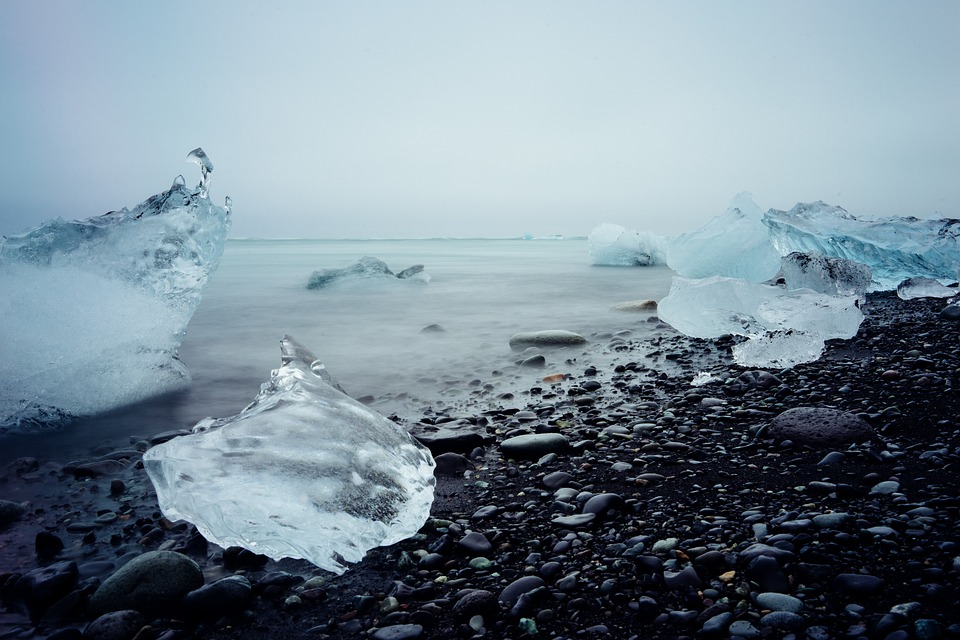
The world is also battling the long-term effects of climate change in the form of rising temperatures and growing holes in the ozone layer. Scientists have now revealed that the sea ice within the Arctic is now melting due to the warming planet.
A study by an international group of scientists found that part of the cause of the melting sea ice in the Arctic region between 1980 and 2015 was due to river heat. This is equal to losing 120,000 square miles of ice that is one meter thick. The findings were published in the journal Science Advances and suggest that the recent findings were actually twice the amount compared to before.
“If Alaska were covered in one-meter thick ice, 20 percent of Alaska would be gone,” said Igor Polyakov of the University of Alaska who is also co-author of the study.
“The increasing ice-free area in the shelf seas results in a warmer ocean in summer, enhancing ocean-atmosphere energy exchange and atmospheric warming,” wrote the researchers in the study. According to their findings, the effects of river heat on the ice were most prominent in the Siberian Arctic, as there are a number of large rivers that flow into the shallow shelf region extending nearly 1,000 miles offshore.
As the global temperatures increase, Dr. Polyakov said that the rivers will grow warmer and lead to more melted sea ice. Because the river temperatures will rise, it will prove to be bad for the Arctic in the form of water and air.
Rising sea levels are just one of the long-term effects of climate change. The changing temperatures of the world will also lead to animals losing their habitats. Researchers have already warned that climate change has already led to a loss of habitat for animals by 18 percent, which is already a big number, but if no action was taken as soon as possible, that number would only go up by the end of the century.
Should more animals lose their habitats, they would be forced to live closer to humans and increase the probability of humans contracting zoonotic diseases. This means diseases that originate from animals that transfer onto humans.







