


 Ann Widdecombe Murder: Police Arrest Second Suspect, Rule Out Terrorism Motive
  Republican Senator Lindsey Graham Dies at 71, Leaving South Carolina Senate Seat Vacant
  Iranian Missile Strike on UAE Oil Tankers Kills Indian Crew Member in Strait of Hormuz
  Zelenskiy Plans Ukraine Government Shake-Up as Prime Minister Svyrydenko Set to Step Down
  DOJ Subpoenas New York Times Journalists Over Air Force One Leak Report
  Israel Sets October 27 Election as Netanyahu Faces Tough Political Test
  Western Allies Push for More Air Defenses for Ukraine at Paris Summit
  Iran Says It Closes Strait of Hormuz After Warning Shot at Vessel
  EU to Propose New Rules Limiting Children's Access to Social Media
  Trump, Canada Reach Gordie Howe Bridge Deal Ahead of July 27 Opening
  Ukraine, Europe Launch Freyja Missile Shield to Strengthen Air Defense Against Russia
  HHS Watchdog Reports $5.56 Billion in Healthcare Fraud Recoveries as Enforcement Actions Decline
  Brazil Court Bars Flavio Bolsonaro From Visiting Jair Bolsonaro Ahead of Election
  Iraq PM Visits Washington as U.S. Oil, Gas Deals Take Center Stage
  Minnesota Wildfires Spread as Governor Tim Walz Deploys National Guard
  EU Ministers Split as Support Grows for Ban on Trade With Israeli West Bank Settlements


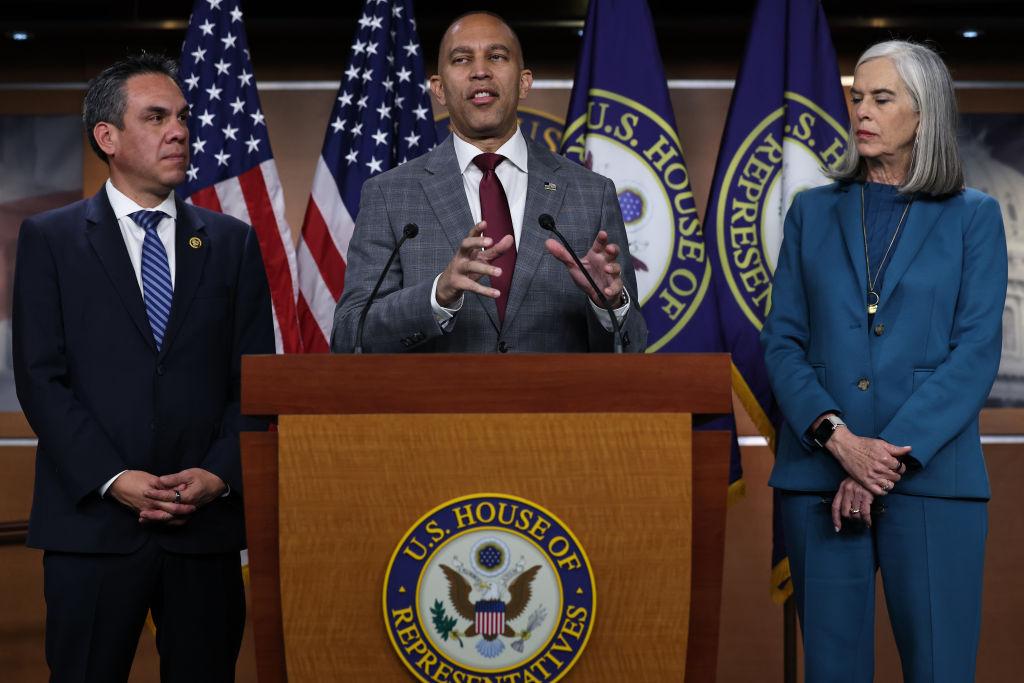
Amid mounting public scrutiny and fierce bipartisan debate, Congress has removed pay raises for lawmakers from the latest spending bill. The decision, announced late Thursday, comes as lawmakers race to pass a funding package to avert a government shutdown.
Pay Raises Removed Amid Intense Pressure
The proposal to include pay raises for members of Congress sparked widespread backlash, with critics arguing that elected officials should not benefit financially during a period of economic uncertainty. Lawmakers from both parties conceded to public pressure, agreeing to strike the provision from the spending bill.
House Speaker Mike Johnson (R-La.) called the move necessary to maintain focus on essential priorities. “Americans are facing real challenges, and our focus should be on addressing those—not on giving ourselves raises,” Johnson said.
The decision marks a significant shift, as lawmakers had quietly included the measure in initial drafts of the bill. Critics accused Congress of attempting to slip the provision through without public notice, further eroding trust in the institution.
Bipartisan Criticism Highlights Broader Frustration
The removal of pay raises underscores growing frustration with congressional spending practices. While members of Congress argued that cost-of-living adjustments are routine, the timing of the proposal—amid debates over government funding—was widely seen as tone-deaf.
Senator J.D. Vance (R-Ohio) criticized the original inclusion of the pay raises, stating, “It’s outrageous to consider raises for Congress while families are struggling to make ends meet.” Similarly, Senator Elizabeth Warren (D-Mass.) expressed disapproval, emphasizing the need to prioritize working Americans.
Meanwhile, watchdog organizations highlighted that congressional salaries have remained static for years, arguing that modest adjustments are justified. However, these arguments failed to resonate with a public frustrated by perceived government dysfunction.
Public Reaction Fuels Debate
The news quickly became a flashpoint on social media, with users weighing in on the decision. Twitter user @JusticeForAll applauded the removal, writing, “Finally, some accountability! Congress shouldn’t get a raise until they fix the mess they’ve created.”
On the other hand, @PolicyHawk defended the original measure, tweeting, “Paying lawmakers fairly ensures we attract competent leaders. Let’s not politicize every decision.” Meanwhile, @FedUpVoter commented, “This is a step in the right direction, but it’s not enough. Congress must address real reforms.”
Others expressed skepticism. User @TransparencyNow shared, “They only removed the raises because they got caught. What else is buried in this bill?” Another user, @TaxpayerFirst, argued, “Lawmakers have no business asking for more money while failing to deliver for the American people.”
Finally, @CivicEngaged tweeted, “This shows the power of public outrage. Let’s keep holding Congress accountable for every spending decision.”
Implications for Future Legislation
While the removal of pay raises has temporarily quelled criticism, it highlights broader challenges in securing public trust. Lawmakers now face the daunting task of passing a spending bill that balances fiscal responsibility with public priorities.
As negotiations continue, the controversy underscores the delicate balancing act required to address pressing national issues while managing political optics. Whether Congress can successfully pass a funding package without further controversy remains to be seen.







