


 Asian Currencies Stay Rangebound as Yen Firms on Intervention Talk
  Trump Backs Nexstar–Tegna Merger Amid Shifting U.S. Media Landscape
  Indian Refiners Scale Back Russian Oil Imports as U.S.-India Trade Deal Advances
  China Extends Gold Buying Streak as Reserves Surge Despite Volatile Prices
  Global Markets Slide as AI, Crypto, and Precious Metals Face Heightened Volatility
  Dollar Near Two-Week High as Stock Rout, AI Concerns and Global Events Drive Market Volatility
  Anta Sports Expands Global Footprint With Strategic Puma Stake
  Amazon Stock Rebounds After Earnings as $200B Capex Plan Sparks AI Spending Debate
  Uber Ordered to Pay $8.5 Million in Bellwether Sexual Assault Lawsuit
  India–U.S. Interim Trade Pact Cuts Auto Tariffs but Leaves Tesla Out
  Weight-Loss Drug Ads Take Over the Super Bowl as Pharma Embraces Direct-to-Consumer Marketing
  Global PC Makers Eye Chinese Memory Chip Suppliers Amid Ongoing Supply Crunch
  Nvidia, ByteDance, and the U.S.-China AI Chip Standoff Over H200 Exports
  Lee Seung-heon Signals Caution on Rate Hikes, Supports Higher Property Taxes to Cool Korea’s Housing Market
  Trump’s Inflation Claims Clash With Voters’ Cost-of-Living Reality
  RBI Holds Repo Rate at 5.25% as India’s Growth Outlook Strengthens After U.S. Trade Deal
  American Airlines CEO to Meet Pilots Union Amid Storm Response and Financial Concerns


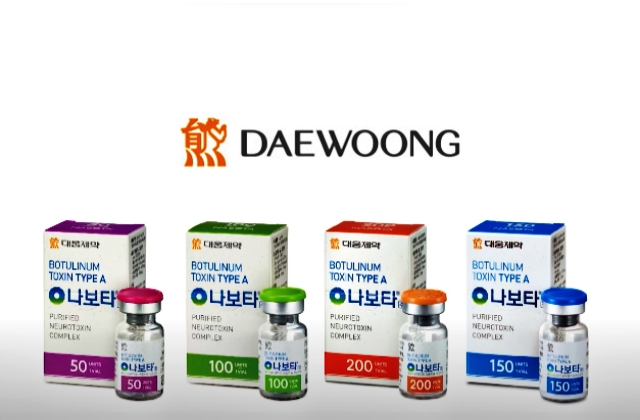
Daewoong’s Nabota was banned by the U.S. International Trade Commission late last year. The agency imposed a 21-month import and sale ban on the South Korean company’s botulinum toxin product brand.
The prohibition resulted from the verdict handed down by the ITC regarding Medytox’s 5-year legal battle against Daewoong Pharmaceutical. Apparently, the commission ruled in favor of the Gangnam-gu-based biopharmaceutical company. The two Korean firms are battling in court over the misappropriation of trade secrets complaints.
ITC revokes ban on Daewoong’s Nabota
This week, the US ITC has lifted the restriction on Daewoong’s botulinum toxin products. This means the firm can now resume the sale and import of its Nabota products that is also known as Jeuveau, in the U.S.
The Korea Herald reported that the latest decision would let Evolus, Daewoong Pharma’s partner based in the United States, to start selling Nabota in the region again. In any case, the ban was lifted after Medytox, Evolus, and AbbVie, Allergan’s parent company, agreed to resolve their dispute in February.
As part of the deal, the three corporations will also dissolve all the remaining cases at the ITC, including the sale of Nabota in the U.S. and other countries where Evolus has licensing rights.
How the companies settled the dispute
Moreover, it was revealed that Evolus agreed to pay Medytox and Allergan $35 million that will be paid in a series of lump sums in the span of two years. The Daewoong partner has to pay royalties to Medytox and Allergan based on Nabota’s net sales for 21 months. After this, Evolus will be paying royalties to Medytox alone.
Allergan is also involved in the case of Daewoong because botulinum toxin is the main component in Botox, a type of treatment for wrinkles. Allergan is the company that sells Botox.
Meanwhile, as per Pulse News, Daewoong Pharmaceutical Co.’s shares have increased on Tuesday, May 4. The numbers have jumped by 5.93 percent to close at ₩134,000 or around $119.37. This figure is expected to increase now that Nabota is being allowed to be sold again in the United States further.













