


 Australian Pension Funds Boost Currency Hedging as Aussie Dollar Strengthens
  India–U.S. Interim Trade Pact Cuts Auto Tariffs but Leaves Tesla Out
  Dollar Near Two-Week High as Stock Rout, AI Concerns and Global Events Drive Market Volatility
  Vietnam’s Trade Surplus With US Jumps as Exports Surge and China Imports Hit Record
  RBI Holds Repo Rate at 5.25% as India’s Growth Outlook Strengthens After U.S. Trade Deal
  Dow Hits 50,000 as U.S. Stocks Stage Strong Rebound Amid AI Volatility
  Nikkei 225 Hits Record High Above 56,000 After Japan Election Boosts Market Confidence
  Japanese Pharmaceutical Stocks Slide as TrumpRx.gov Launch Sparks Market Concerns
  Yen Slides as Japan Election Boosts Fiscal Stimulus Expectations
  U.S. Stock Futures Rise as Markets Brace for Jobs and Inflation Data
  UK Starting Salaries See Strongest Growth in 18 Months as Hiring Sentiment Improves
  Trump Signs Executive Order Threatening 25% Tariffs on Countries Trading With Iran
  Asian Markets Surge as Japan Election, Fed Rate Cut Bets, and Tech Rally Lift Global Sentiment
  Trump Lifts 25% Tariff on Indian Goods in Strategic U.S.–India Trade and Energy Deal
  U.S.-India Trade Framework Signals Major Shift in Tariffs, Energy, and Supply Chains
  South Africa Eyes ECB Repo Lines as Inflation Eases and Rate Cuts Loom


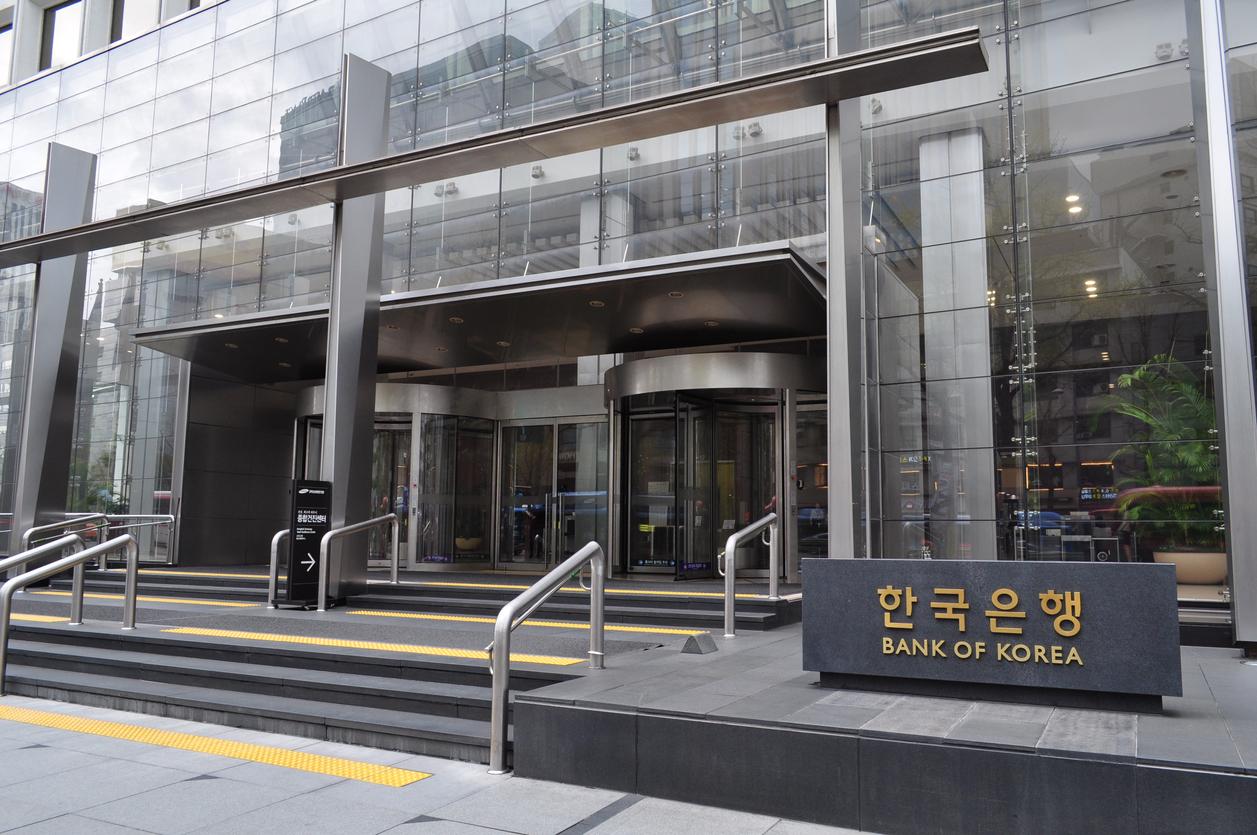
Lee Seung-heon, a leading candidate to become the next governor of the Bank of Korea (BOK), has voiced support for raising property ownership taxes as a way to curb surging home prices, while warning that a shift toward tighter monetary policy would be premature. His comments come as South Korea grapples with housing-driven inflation risks and fragile economic growth.
Lee, who previously served as senior deputy governor of the BOK, is widely seen as a potential successor to Governor Rhee Chang-yong, whose four-year term ends on April 20. In an interview conducted on February 6, Lee emphasized that stabilizing the housing market requires stronger structural measures rather than immediate interest rate hikes.
According to Lee, rising property prices threaten to fuel inflation and make homeownership increasingly unaffordable for middle-class families. He argued that housing market stability would be difficult to achieve unless the actual cost of owning homes increases, pointing specifically to higher property ownership taxes as a necessary policy tool. While South Korea already imposes high stamp duties and capital gains taxes—exceeding 60% on some property sales—ownership taxes remain relatively low compared to other developed economies.
Despite market expectations shifting toward tighter policy, Lee said overall monetary conditions should remain steady for now. He noted that economic growth remains weak and that signaling interest rate increases too early could undermine recovery momentum. His remarks come as three-year government bond yields recently hit a 19-month high, reflecting reduced expectations for further rate cuts.
The BOK has maintained its benchmark interest rate at 2.50% since January 15, following four rate cuts since October 2024. Policymakers have adopted a neutral stance amid concerns over a weakening won and renewed increases in Seoul apartment prices. Strong semiconductor exports, driven by global demand for AI-related memory chips, have helped cushion the economy from higher U.S. tariffs.
On the currency outlook, Lee said the Korean won, currently trading around 1,465 per dollar, is within a natural range of 1,400 to 1,470. He added that any sustained move beyond 1,500 per dollar would be unlikely, barring extreme external shocks.













