


 Amazon Stock Rebounds After Earnings as $200B Capex Plan Sparks AI Spending Debate
  Nvidia, ByteDance, and the U.S.-China AI Chip Standoff Over H200 Exports
  Nvidia Confirms Major OpenAI Investment Amid AI Funding Race
  Trump Backs Nexstar–Tegna Merger Amid Shifting U.S. Media Landscape
  U.S. to Begin Paying UN Dues as Financial Crisis Spurs Push for Reforms
  Elon Musk’s Empire: SpaceX, Tesla, and xAI Merger Talks Spark Investor Debate
  SpaceX Reports $8 Billion Profit as IPO Plans and Starlink Growth Fuel Valuation Buzz
  Trump Signs “America First Arms Transfer Strategy” to Prioritize U.S. Weapons Sales
  Iran–U.S. Nuclear Talks in Oman Face Major Hurdles Amid Rising Regional Tensions
  Alphabet’s Massive AI Spending Surge Signals Confidence in Google’s Growth Engine
  U.S.-India Trade Framework Signals Major Shift in Tariffs, Energy, and Supply Chains
  Nicaragua Ends Visa-Free Entry for Cubans, Disrupting Key Migration Route to the U.S.
  Elon Musk’s SpaceX Acquires xAI in Historic Deal Uniting Space and Artificial Intelligence
  US Pushes Ukraine-Russia Peace Talks Before Summer Amid Escalating Attacks
  OpenAI Expands Enterprise AI Strategy With Major Hiring Push Ahead of New Business Offering
  Trump Allows Commercial Fishing in Protected New England Waters


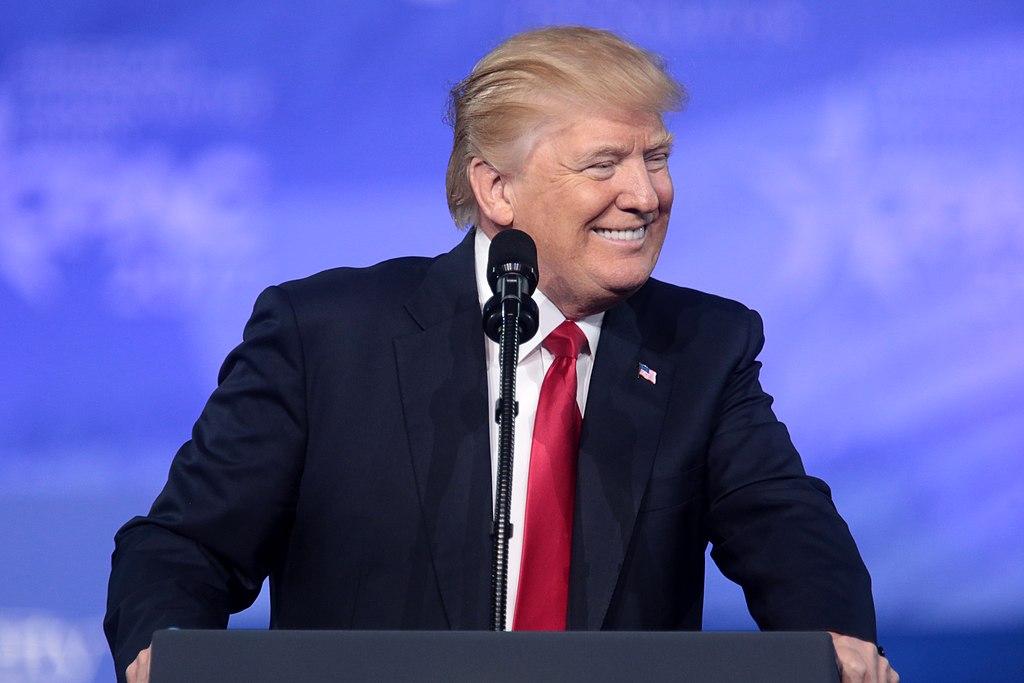
Former President Donald Trump reportedly proposed a $1 billion deal to oil executives, offering to end electric vehicle (EV) subsidies in return for campaign funding, according to The Washington Post. This move underscores his shifting stance on electric mobility and aligns with his broader regulatory rollback ambitions.
Trump's Complex Stance on EVs: Campaign Claims vs. Policy Actions Highlight Contradictions
Often at his rallies, he has criticized electric cars, highlighting their limited range and inconvenient charging requirements, even labeling them as a "hoax." Conversely, during his 2020 campaign, he claimed to support electric vehicles and attempted to take credit for incentives introduced during the Obama administration.
Despite these public statements, Trump has historically pursued policies that would hinder the adoption of electric vehicles, responding to pressures from certain automakers. According to Electrek, his administration, tried to eliminate the electric vehicle tax credit in the initial draft of the 2020 budget, although this measure ultimately failed to pass.
Additionally, Trump has actively advocated for lowering automobile emission standards, which would discourage automakers from producing more electric vehicles.
With his campaign for the 2024 election, Trump has openly declared his opposition to any initiatives that would accelerate the introduction of electric vehicles. A recent report by The Washington Post, citing sources from a meeting held last month at Trump's Mar-a-Lago Club, revealed Trump's direct proposition to oil executives.
During a dinner conversation about rolling back environmental regulations, Trump reportedly told the executives that they should use their wealth to help return him to the White House, promising in return to reverse many of President Biden's environmental policies and prevent new ones from being implemented. According to attendees who requested anonymity, this conversation left several executives taken aback by the explicit nature of the proposal.
Trump Reaffirms Doubts on EVs, Clashing With Musk Amid Mixed Signals on Green Policies
In a March report, former President Donald Trump reiterated his skeptical views on electric vehicles despite his purported friendship and historical interactions with Elon Musk, a major proponent of electric mobility.
Trump, who has consistently expressed contradictory opinions on electric cars, once again highlighted their shortcomings.
Throughout his presidency and subsequent public appearances, Trump has frequently derided electric vehicles, emphasizing issues like limited range and inconvenient charging times and even labeling them a "hoax."However, during his 2020 campaign, he claimed to support electric vehicles and tried to take credit for incentives introduced during the Obama administration.
Despite these support claims, Trump's actions while in office tell a different story. He sought to implement policies that would impede the deployment of electric vehicles, such as attempting to repeal the electric vehicle tax credit in the initial draft of his 2020 budget. This provision ultimately did not pass. Additionally, he pushed for reduced automobile emission requirements, which would have discouraged automakers from developing more electric vehicles.
As the 2024 election approaches and Trump is the likely Republican nominee, he continues to doubt the feasibility of electric vehicles. In his interview, Trump acknowledged his respect for Musk but underscored their fundamental disagreement on electric cars.
He maintained that while he supports electric vehicles, the alternatives must also be available, citing concerns about range, cost, and manufacturing locations.
Trump asserted that the U.S. electric grid could not handle a significant increase in electric vehicles and dismissed the possibility of a fully electric automotive future. He needs to be made aware of the grid benefits of electric cars, which can charge primarily at night when electricity generation typically exceeds demand, potentially stabilizing the grid rather than burdening it.
This stance underscores a recurring theme in Trump's rhetoric: a blend of acknowledgment and opposition, reflecting a complex relationship with the future of electric transportation.
Photo: Gage Skidmore from Peoria, AZ, United States of America, CC BY-SA 2.0, via Wikimedia Commons














.jpg)