


 China Warns US Arms Sales to Taiwan Could Disrupt Trump’s Planned Visit
  Japan Election 2026: Sanae Takaichi Poised for Landslide Win Despite Record Snowfall
  Bosnian Serb Presidential Rerun Confirms Victory for Dodik Ally Amid Allegations of Irregularities
  Israel Approves West Bank Measures Expanding Settler Land Access
  Trump’s Inflation Claims Clash With Voters’ Cost-of-Living Reality
  Federal Judge Restores Funding for Gateway Rail Tunnel Project
  Trump Lifts 25% Tariff on Indian Goods in Strategic U.S.–India Trade and Energy Deal
  New York Legalizes Medical Aid in Dying for Terminally Ill Patients
  U.S. Lawmakers to Review Unredacted Jeffrey Epstein DOJ Files Starting Monday
  Norway Opens Corruption Probe Into Former PM and Nobel Committee Chair Thorbjoern Jagland Over Epstein Links
  Trump Backs Nexstar–Tegna Merger Amid Shifting U.S. Media Landscape
  US Pushes Ukraine-Russia Peace Talks Before Summer Amid Escalating Attacks
  U.S.-India Trade Framework Signals Major Shift in Tariffs, Energy, and Supply Chains
  Iran–U.S. Nuclear Talks in Oman Face Major Hurdles Amid Rising Regional Tensions
  Trump Says “Very Good Talks” Underway on Russia-Ukraine War as Peace Efforts Continue
  Anutin’s Bhumjaithai Party Wins Thai Election, Signals Shift Toward Political Stability


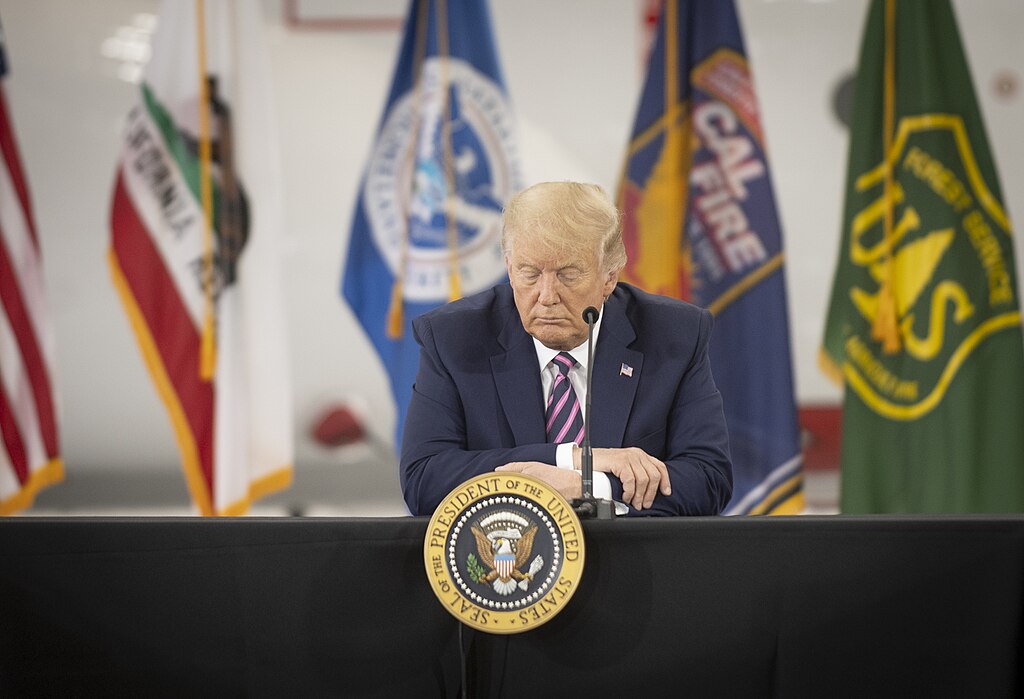
Former President Donald Trump is reportedly considering North Dakota Governor Doug Burgum for a new position as “energy tsar” if he is re-elected in 2024, according to sources cited by the Financial Times. This potential role would place Burgum, a prominent supporter of energy deregulation, at the forefront of efforts to roll back federal regulations impacting the energy sector.
Burgum’s Pro-Oil Stance Sparks Regulatory Concerns
Governor Burgum, known for his strong stance on energy independence and support for the fossil fuel industry, could become a powerful figure in Trump’s proposed administration. His responsibilities, sources say, would include reducing regulations that Trump claims have hindered U.S. energy production. A close ally to North Dakota’s thriving oil industry, Burgum has long argued that deregulation is essential for the U.S. to regain energy independence and bolster economic growth.
The prospective appointment aligns with Trump’s previously voiced ambitions to promote “American energy dominance” by scaling back federal environmental regulations. Supporters argue that Burgum’s expertise could streamline production and drive down energy costs, though critics warn that relaxing standards might compromise environmental protections and accelerate climate change.
Environmental Advocates Push Back on Burgum’s Potential Role
Environmental groups have voiced concerns over Burgum’s potential role, warning that increased deregulation could have severe consequences for climate initiatives and air quality standards. His appointment could signal a significant pivot away from current policies aimed at reducing greenhouse gas emissions.
Burgum has yet to comment publicly on the matter, and Trump’s team has not confirmed the appointment. Still, the move is seen as part of Trump’s broader strategy to reshape U.S. energy policy. The discussions come at a time when energy prices and climate policy remain hot-button issues across the country.
The rumored selection highlights Trump’s commitment to prioritizing energy independence, with an emphasis on domestic production over environmental safeguards. Political analysts predict that, if appointed, Burgum’s influence could reshape U.S. energy policy for years to come.













