


 Federal Judge Restores Funding for Gateway Rail Tunnel Project
  U.S. Lawmakers to Review Unredacted Jeffrey Epstein DOJ Files Starting Monday
  China Overturns Death Sentence of Canadian Robert Schellenberg, Signaling Thaw in Canada-China Relations
  Sanofi to Acquire Dynavax in $2.2 Billion Deal to Strengthen Vaccine Portfolio
  California Jury Awards $40 Million in Johnson & Johnson Talc Cancer Lawsuit
  Antonio José Seguro Poised for Landslide Win in Portugal Presidential Runoff
  Novo Nordisk and Eli Lilly Cut Obesity Drug Prices in China as Competition Intensifies
  Trump Backs Nexstar–Tegna Merger Amid Shifting U.S. Media Landscape
  Taiwan Says Moving 40% of Semiconductor Production to the U.S. Is Impossible
  Weight-Loss Drug Ads Take Over the Super Bowl as Pharma Embraces Direct-to-Consumer Marketing
  AstraZeneca’s LATIFY Phase III Trial of Ceralasertib Misses Primary Endpoint in Lung Cancer Study
  Vanda Pharmaceuticals Wins FDA Approval for New Motion Sickness Drug After Four Decades
  Novo Nordisk Stock Surges After FDA Approves Wegovy Pill for Weight Loss
  India–U.S. Interim Trade Pact Cuts Auto Tariffs but Leaves Tesla Out
  Royalty Pharma Stock Rises After Acquiring Full Evrysdi Royalty Rights from PTC Therapeutics
  Sanofi’s Efdoralprin Alfa Gains EMA Orphan Status for Rare Lung Disease


The rate of coronavirus' spread in the United States has alarmed everyone. In just a couple of weeks, the U.S. outpaced Italy and China becoming the country with the most number of confirmed COVID-19 infections.
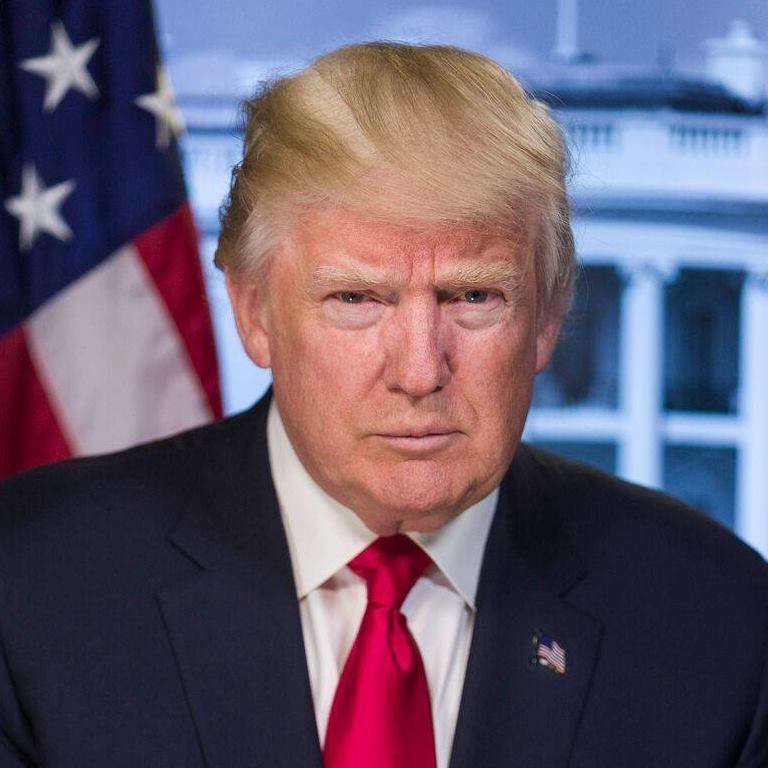
Various coronavirus hotspots soon emerged based on data. To deal with the situation, Donald Trump floated the idea of placing these areas under quarantine to prevent the virus’ spread.
“I am giving consideration to a QUARANTINE of developing “hot spots”, New York, New Jersey, and Connecticut,” President Donald Trump tweeted on Sunday, March 29. “A decision will be made, one way or another, shortly.”
However, many expressed opposition to the idea. For instance, Twitter users @4everNeverTrump believes it’s probably too late at this point.
“Even if this is legal (which it's not), it would be too late,” @4everNeverTrump commented on Trump’s social media post. “The virus is not just in NY, NJ, and CT; it is everywhere.”
There are also those who are a bit wary of what “quarantine” exactly meant for Trump. “I don’t agree with a quarantine of developing ‘hot spots’ like New York, New Jersey, Connecticut, or any other areas in the United States,” another Twitter user, Eugene Gu, MD (@eugenegu), wrote. “First of all, what does quarantine even mean for Trump? Is that where everyone can’t even leave their homes without government permission?”
New York Gov. Andrew Cuomo also opposed the idea. While he spoke to Trump on Saturday, he revealed that the idea of quarantine was never discussed.
“I don't even know what that means,” Cuomo said, according to CNN. “I don't know how that could be legally enforceable.”
The governor also pointed out that a quarantine might not accomplish anything at this stage. “And from a medical point view, I don't know what you would be accomplishing,” Cuomo added. “But I can tell you, I don't even like the sound of it.”
The quarantine plan did not come to fruition. Instead, the Centers for Disease Control and Prevention issued a travel advisory for New York, New Jersey, and Connecticut residents to “refrain from non-essential domestic travel” for the next two weeks.
CDC’s advisory, however, does not apply to those employed in critical infrastructure industries such as food supply, financial services, health professionals and trucking. Employees in these industries “have a special responsibility to maintain normal work schedules.”













